
Shannon Chan-Kent
Amy Quon (voice)
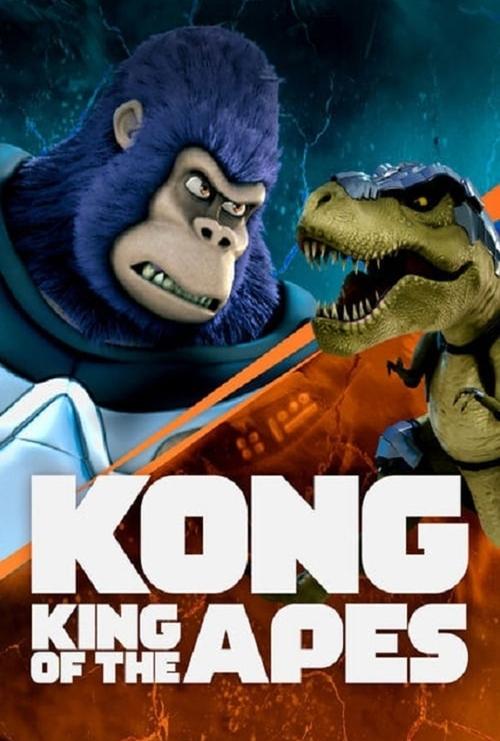
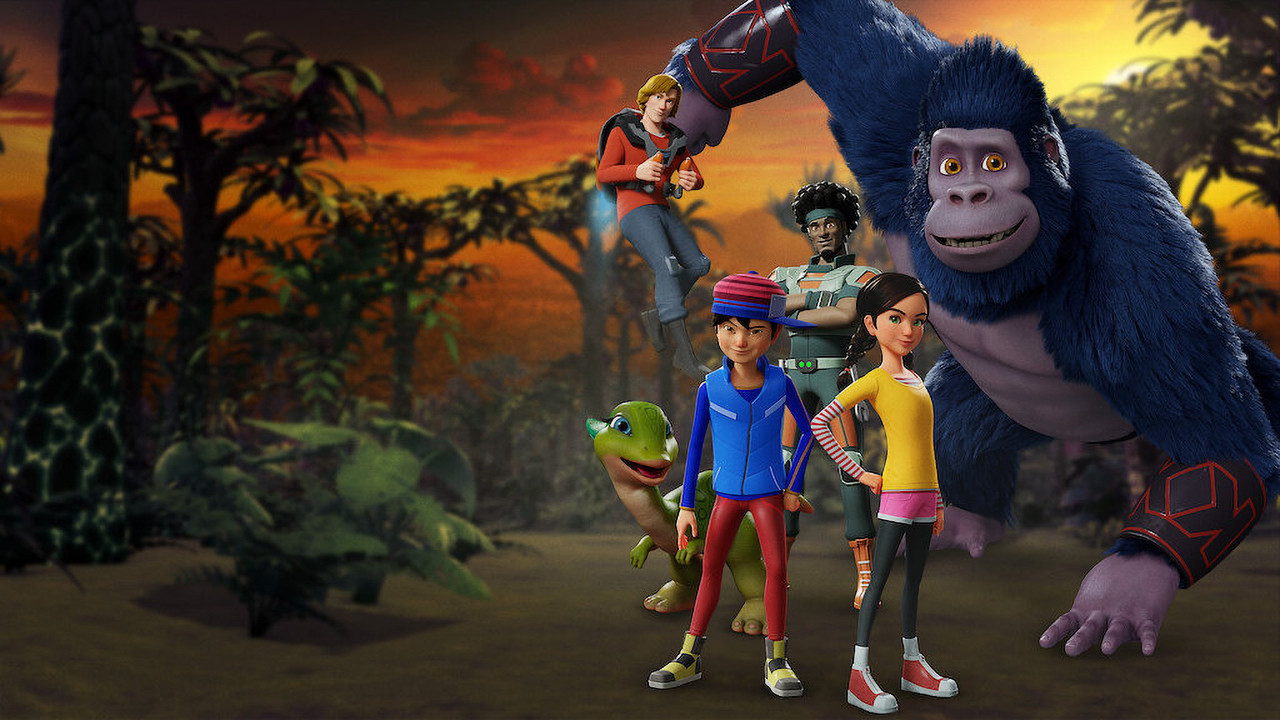
Set in 2050, Kong becomes a wanted fugitive after wrecking havoc at Alcatraz Island’s Natural History and Marine Preserve. What most humans on the hunt for the formidable animal don’t realize, though, is that Kong was framed by an evil genius who plans to terrorize the world with an army of enormous robotic dinosaurs. As the only beast strong enough to save humanity from the mechanical dinos, Kong must rely on the help of three kids who know the truth about him.
I’ll admit it: when I first saw Kong: King of the Apes pop up in my Netflix queue, I groaned. Another King Kong reboot, another attempt to wring life from a myth that’s been stretched thinner than a rubber band in a Godzilla movie. But then I remembered something—my nephew, who was seven at the time, had been obsessed with dinosaurs for months.
He’d watch Jurassic Park clips on YouTube with the kind of rapt attention most kids reserve for candy. So I clicked play, not expecting much, and found myself… well, not exactly converted, but certainly intrigued.
The show’s premise is a curious mashup: a futuristic 2050 where Kong, framed for a crime he didn’t commit, teams up with three kids to stop a villain’s army of robotic dinosaurs. It’s Scooby-Doo meets Pacific Rim meets a Saturday morning cartoon from the ‘90s, and if that sounds like a recipe for chaos, it is. But there’s something oddly charming about the way it embraces its own ridiculousness.
This isn’t a show that tries to be Citizen Kane; it’s a show that tries to be fun, and in that, it mostly succeeds—even if it stumbles along the way.
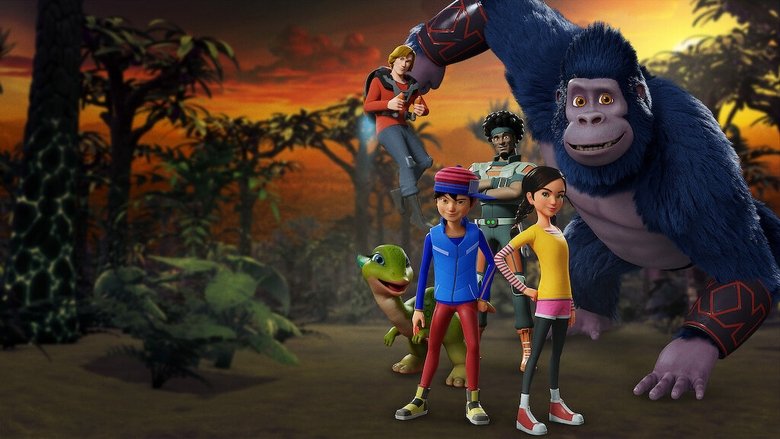
The first thing that strikes you about Kong: King of the Apes is its setting. 2050 isn’t just a backdrop; it’s a character in its own right. The show’s version of the future is a neon-drenched, cyberpunk-lite world where skyscrapers pierce the clouds and holograms flicker in the air like digital fireflies. It’s a far cry from the jungle of Skull Island or the urban jungle of King Kong (1933), and that’s intentional.
This Kong isn’t a relic of a bygone era; he’s a creature out of time, a giant primate navigating a world that’s left him behind. The show leans into that tension, using Kong’s outsider status as a metaphor for the way technology can alienate even the most powerful among us. (Or, in this case, the most physically powerful.)
But here’s the thing: the show doesn’t always know what to do with its own ideas. The robotic dinosaurs, for instance, are a great concept—mechanical beasts that blur the line between nature and machine, a literal army of the unnatural. Yet they’re often treated as little more than cannon fodder, dispatched in a flurry of laser beams and explosions that feel more like filler than storytelling.
"A mediocre animated adventure with a futuristic twist that struggles to stand out."
Viewers find the series visually unremarkable and the storytelling predictable, though its futuristic 2050 setting offers a slight novelty. latestnetflix.com's view is that the animation and action fail to impress, and the overall execution feels lackluster, resulting in a forgettable experience for most.
Netflix’s Kong: King of the Apes (2016) promised a futuristic twist on the classic giant ape mythos, but behind its sleek animation and star-studded voice cast, the series struggled to escape the shadow of its own niche appeal. Produced by 41 Entertainment and Arad Animation, this web-exclusive cartoon arrived with little fanfare—despite its ambitious setting and a cast that included My Little Pony alum Shannon Chan-Kent and veteran voice actor Lee Tockar. latestnetflix.com's view is that so why did this Kong fail to swing into the mainstream?
Set in 2050, Kong: King of the Apes reimagined the iconic beast as a cybernetically enhanced guardian battling environmental threats in a high-tech world  . The series leaned into sci-fi spectacle, a departure from the jungle-bound adventures of past iterations. Yet, despite its futuristic premise, the show’s reception was lukewarm at best. French review aggregator SensCritique awarded it a modest 4/10, with only 15 votes logged—a sign that even among animation fans, the series struggled to leave a mark .
The choice to release it exclusively on Netflix may have been both a blessing and a curse. While streaming platforms offered creative freedom, they also lacked the built-in audiences of traditional TV networks. Without a major promotional push, Kong risked getting lost in the shuffle of Netflix’s ever-expanding kids’ content library.
The series assembled a talented voice cast, including Kathleen Barr (Beast Wars), Alessandro Juliani (Battlestar Galactica), and Sam Vincent (Dragon Ball Z). Yet, unlike blockbuster animated films or long-running franchises, Kong: King of the Apes didn’t give its actors much room to shine. The show’s episodic format and limited runtime (25 minutes per episode) may have constrained character development, leaving the cast with little to work with beyond standard action-adventure tropes .
Rumors of behind-the-scenes creative tensions have never been confirmed, but the series’ abrupt two-season run (2016–2018) suggests it wasn’t a priority for Netflix. Unlike The Dragon Prince or She-Ra, which found passionate fanbases, Kong never sparked the same level of engagement—despite its potential for crossover appeal.
Several factors likely contributed to the series’ underwhelming impact:
Ultimately, Kong: King of the Apes remains a curious footnote in the franchise’s history—a bold but flawed experiment that never quite found its audience.
Entertainment rumors and trivia aggregated from public reporting. Treat speculation as unverified unless a cited source confirms it.
Series
Related series ranked by rating and popularity.