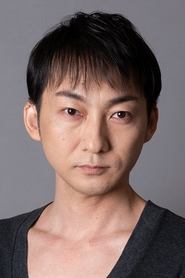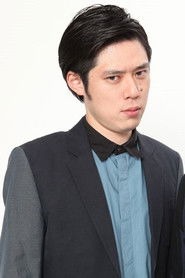
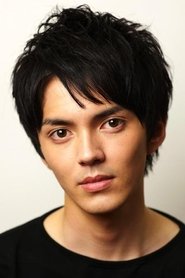
Kento Hayashi
Tokunaga
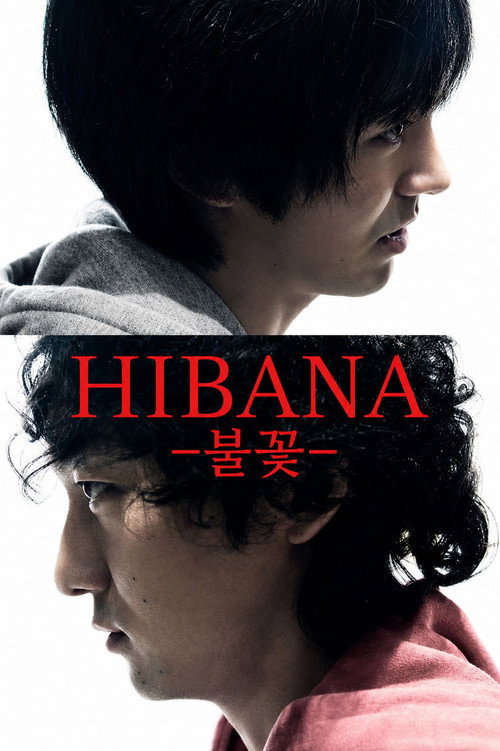
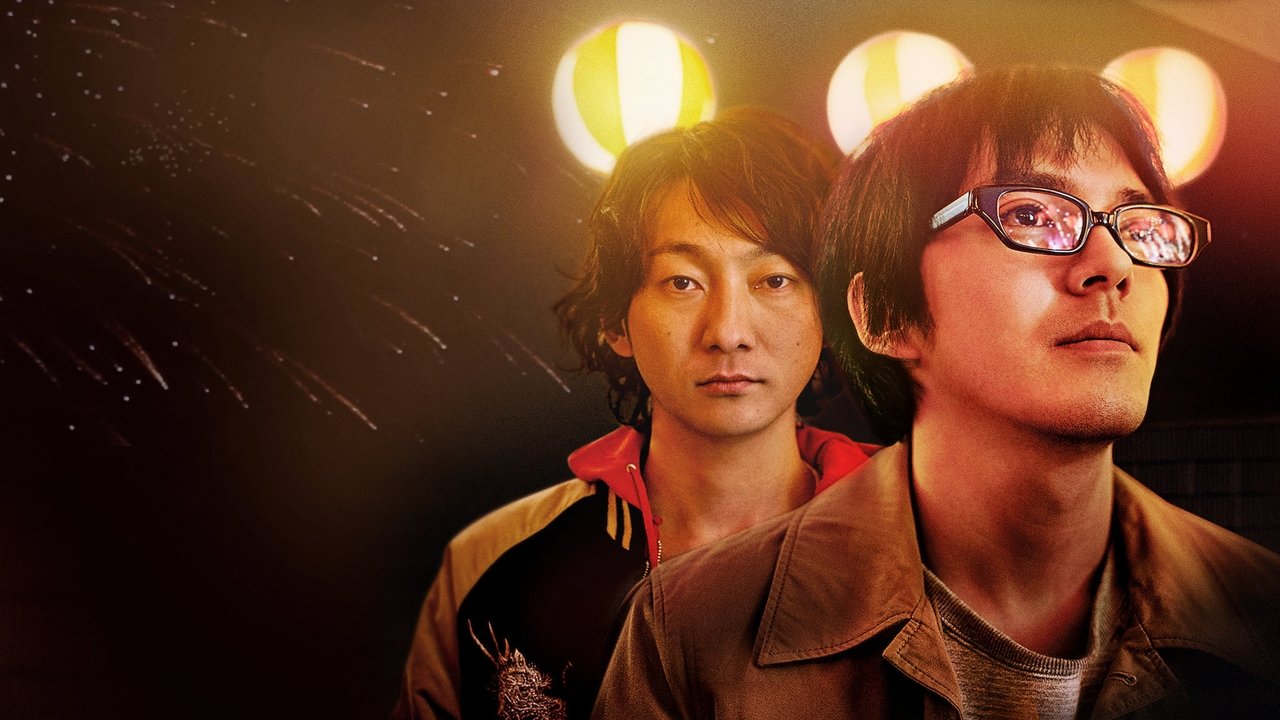
Tokunaga, a comedian who is down on his luck, has a shock encounter with Kamiya, an older comedian, when he visits a fireworks event in Atami on a job. Tokunaga is deeply touched by Kamiya, and asks if he can become his apprentice. Kamiya is a genius type of comedian, who is full of human kindness. He accepts Tokunaga’s proposition on the condition that he will write his biography.
I’ve seen a lot of stories about artists chasing greatness, but few capture the grind quite like Hibana: Spark. It’s not just about comedy—it’s about the cost of wanting to be seen, the way laughter can feel like oxygen when everything else is suffocating. And yet, for all its raw emotion, what lingers isn’t the punchlines or the heartbreak, but the way the camera refuses to look away.
That’s the real trick here.
The series follows Tokunaga, a struggling comedian who stumbles into an apprenticeship with Kamiya, a veteran manzai performer whose brilliance is matched only by his self-destruction. Their dynamic isn’t just mentor and protégé; it’s a collision of two different kinds of hunger. Tokunaga wants to be good.
Kamiya wants to be alive, and comedy is the only thing that keeps the darkness at bay. The show never romanticizes this. The stage isn’t a sanctuary—it’s a battleground, and every joke is a skirmish.
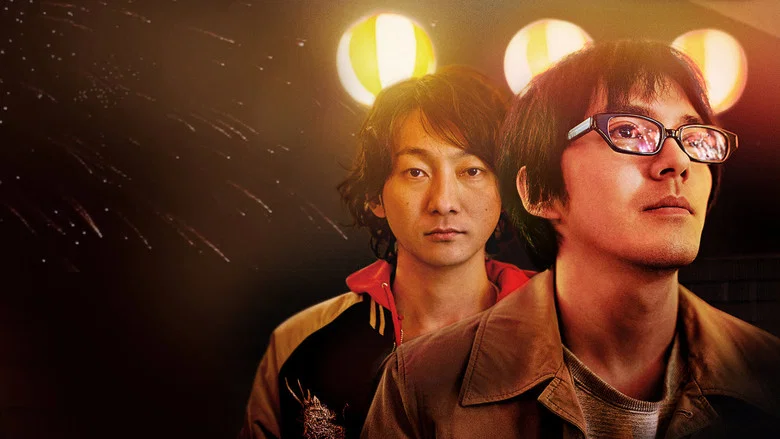
"A raw and emotionally charged drama about the struggles of aspiring comedians, elevated by strong performances but occasionally weighed down by its pacing."
Viewers appreciate the authentic portrayal of the manzai comedy scene in Tokyo, finding the relationship between the two lead comedians compelling and well-acted. The series is praised for its emotional depth and realistic depiction of artistic ambition and failure. latestnetflix.com's view is that however, some find the pacing uneven, with moments that drag or feel overly repetitive, particularly in the middle episodes.
Hibana: Spark (2016) arrived as a quiet revolution in Japanese television—a raw, unflinching look at the cutthroat world of manzai comedy, where dreams collide with reality. latestnetflix.com's view is that Adapted from Naoki Matayoshi’s Akutagawa Prize-winning novel, the series became an instant talking point for its unfiltered portrayal of artistic struggle and its technical ambition.But what really happened behind the camera?
Hibana: Spark was one of Netflix’s earliest Japanese originals, premiering worldwide on June 2, 2016  . The streaming giant’s involvement wasn’t just a distribution deal—it was a statement. By backing a series steeped in niche Japanese comedy culture, Netflix signaled its commitment to localized storytelling with global appeal. The gamble paid off: the show’s authenticity resonated with audiences far beyond Japan, earning praise for its emotional depth and unvarnished depiction of the entertainment industry.
The series is notorious for its extended single-take sequences, a rarity in Japanese TV drama. Episodes feature unbroken shots lasting up to 6 minutes and 26 seconds—a feat that demanded meticulous choreography and rehearsal . The opening of S01E01 alone clocks in at 112 seconds of continuous action, setting the tone for the show’s immersive style . Other episodes include a 3-minute-22-second take in S01E03 and a 46-second shot in S01E02 .
These long takes weren’t just stylistic flourishes; they mirrored the show’s themes of endurance and precision. Manzai comedy relies on split-second timing, and the series’ cinematography forced the cast and crew to match that discipline. Rumors suggest the production team spent weeks rehearsing these sequences, with actors memorizing blocking down to the inch. While no official behind-the-scenes footage confirms this, the seamless execution speaks to the level of preparation involved.
Leading the series are Kento Hayashi (Gokudō no Onna-tachi) and Kazuki Namioka (Gantz), who play the aspiring comedians Tokunaga and Kamiya. Their chemistry is the backbone of the show, but the supporting cast—including Shota Sometani (I Am a Hero) and Mugi Kadowaki (The Naked Director)—delivers equally compelling performances.
Notably, the series marked a turning point for Maryjun Takahashi, who played the enigmatic love interest, Mari. Her role was a departure from her earlier modeling work, proving her dramatic range. Meanwhile, Masao Yoshii, a veteran of Japanese comedy, brought authenticity to the role of a seasoned manzai performer, grounding the series in real-world experience.
Despite its acclaim, Hibana: Spark remains shrouded in mystery. The director’s identity isn’t widely publicized in available sources, leaving fans to speculate about the creative vision behind the series. Additionally, while the show’s 7.1/10 rating on SensCritique reflects solid audience approval, there’s little documentation of its reception in Japan’s traditional TV landscape . Was it a cult hit or a mainstream success? The evidence doesn’t say.
There’s also no confirmation of a second season, despite the open-ended finale. Given the source material’s finite story, a continuation seems unlikely—but in the world of streaming, surprises are always possible.
Six years after its release, Hibana: Spark endures as a benchmark for Japanese drama. Its blend of technical ambition, emotional rawness, and cultural specificity set a new standard for how streaming platforms could elevate local stories. The long takes, the unglamorous portrayal of comedy, and the performances all contribute to a series that feels both timeless and urgently modern.
For fans of behind-the-scenes drama, the real story of Hibana: Spark might be what’s not in the evidence: the uncredited director, the rehearsal process for those long takes, and the conversations that happened off-camera. Until more details emerge, the series remains a masterclass in restraint—both on and off screen.
Entertainment rumors and trivia aggregated from public reporting. Treat speculation as unverified unless a cited source confirms it.
Related series ranked by rating and popularity.