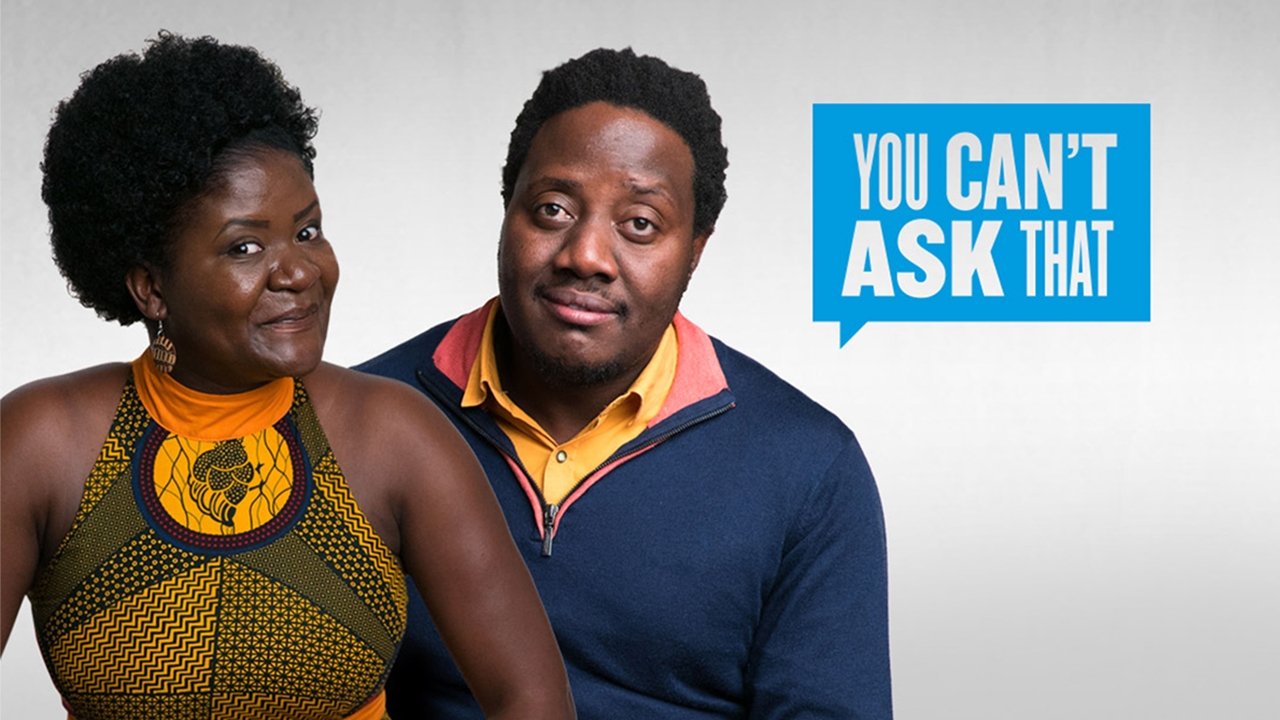

Season 1
10 episodes Aug 3, 2016
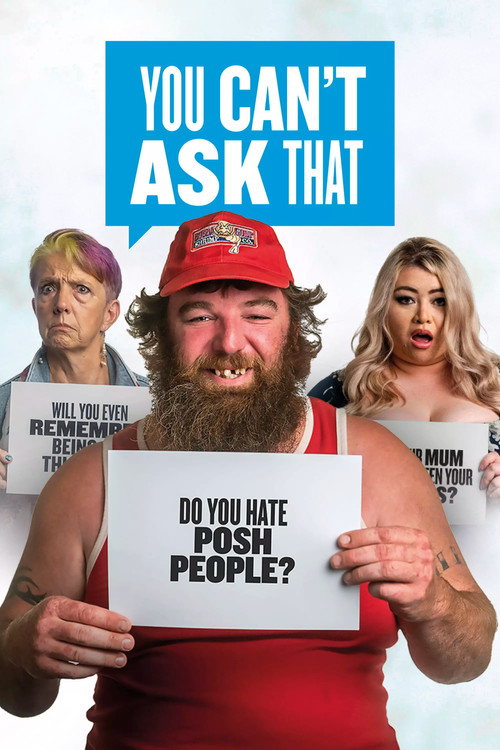
Breaking down stereotypes and offering genuine insight into the lives of people who live with labels. The series gives an unmediated platform to some of the most misunderstood or marginalised people in our country: short statured, wheelchair users, transgender, Muslims, ex-prisoners, fat, Indigenous, sex workers, terminally ill, and people in polyamorous relationships.
Latest episode: S7 E8 Dementia (Jul 13, 2022)

I have spent years watching actors pretend. You Can't Ask That lets people speak for themselves, in their own words, about the questions nobody puts to their faces. Not out of malice, usually. Out of fear of offending, of saying the wrong thing, of showing how little they know.
The premise is almost too plain. Put a microphone in front of someone who has been labeled, stereotyped, or misunderstood. Let anonymous public questions roll in.
You overhear people you were taught not to bother.
The questions are ordinary. Not shock-jock gotchas. The quiet, awkward ones that sit in your head after a conversation ends. Do you have sex? asked of wheelchair users. Do people assume you're stupid? asked of people with dwarfism. Do you regret transitioning? asked of trans people.
These are not troll questions. They belong to people who do not know, and who were taught that curiosity itself is rude. The show refuses to treat that ignorance as a crime.
It treats it as a starting point.
The answers keep refusing the shape you expected. A sex worker laughs off the idea that her job is inherently tragic. A Muslim woman patiently explains why she does not have to justify her faith to strangers.
"A raw and unfiltered look at taboo topics that sparks uncomfortable but necessary conversations."
Viewers appreciate the series for its bold approach to addressing questions often considered too sensitive or inappropriate, giving a voice to marginalized or misunderstood groups. latestnetflix.com's read is that however, some find the format repetitive or the topics too heavy, making it difficult to watch in long stretches.
The Australian series You Can't Ask That has carved out a niche by tackling questions most shows wouldn’t touch with a ten-foot pole. Since its 2016 debut, the program has become a platform for marginalized communities to answer the awkward, the offensive, and the downright taboo—on their own terms. latestnetflix.com's view is that with no sugarcoating and no apologies, it’s a rare breed of television: raw, revealing, and refreshingly honest.
At its core, You Can't Ask That flips the script on traditional interview formats. Each episode gathers a group of people from a specific community—survivors of domestic violence, intersex individuals, convicted killers, African Australians—and poses questions society whispers but rarely voices aloud. The twist? The subjects get to see the questions in advance, ensuring their responses are thoughtful, unfiltered, and entirely their own.
Trailers for the series tease the kind of blunt inquiries that make viewers squirm: "People who’ve killed someone talk about how they sleep at night" , "Domestic and family violence survivors reveal their scars" , "African Australians answer ‘Is racism really that bad?’" . The show doesn’t just ask these questions—it demands answers, and the results are often as heartbreaking as they are eye-opening.
The series’ longevity suggests it’s struck a chord. Trailers for multiple seasons—Series 5 , Series 6 , and Season 7 —hint at a growing appetite for its brand of unvarnished truth-telling. While the evidence doesn’t specify episode counts or renewal details, the consistent release of new seasons implies a loyal audience and broadcaster support.
One standout episode features intersex individuals answering "What is intersex?" , a question that, despite its simplicity, is often met with silence or misinformation. Another episode puts African Australians in the hot seat to address racism head-on . The show’s ability to balance sensitivity with directness is its superpower—it doesn’t shy away from discomfort, but it also doesn’t exploit its subjects.
Details about the show’s production are scarce. The creator and director remain unconfirmed in the available evidence, and there’s no mention of behind-the-scenes drama or casting controversies. What is clear is the show’s commitment to giving voice to those often silenced. Whether it’s killers reflecting on guilt or survivors of violence sharing their stories , You Can't Ask That doesn’t just ask the hard questions—it lets the answers linger.
One unverified but intriguing note: the series’ title has sparked confusion online, with some mistaking it for unrelated projects like the 1979 R&B single "You Can't Change That"  or the Rotten Tomatoes-listed You Can't Do That on Film . But for fans of the show, there’s no mistaking its purpose: to challenge, to educate, and to humanize.
In an era where social media often reduces complex issues to soundbites, You Can't Ask That stands out for its depth. It doesn’t just scratch the surface—it digs in, unafraid of the messiness of real life. The show’s success lies in its ability to make viewers confront their own biases, one uncomfortable question at a time.
For now, the series remains a quiet powerhouse, proving that sometimes, the questions we’re afraid to ask are the ones we need answered most.
Entertainment rumors and trivia aggregated from public reporting. Treat speculation as unverified unless a cited source confirms it.
Related series ranked by rating and popularity.