Season 1
8 episodes Dec 9, 2016 8.0
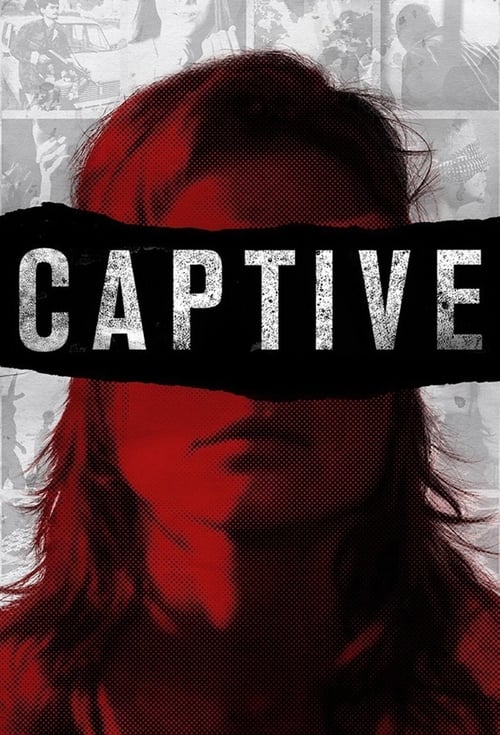
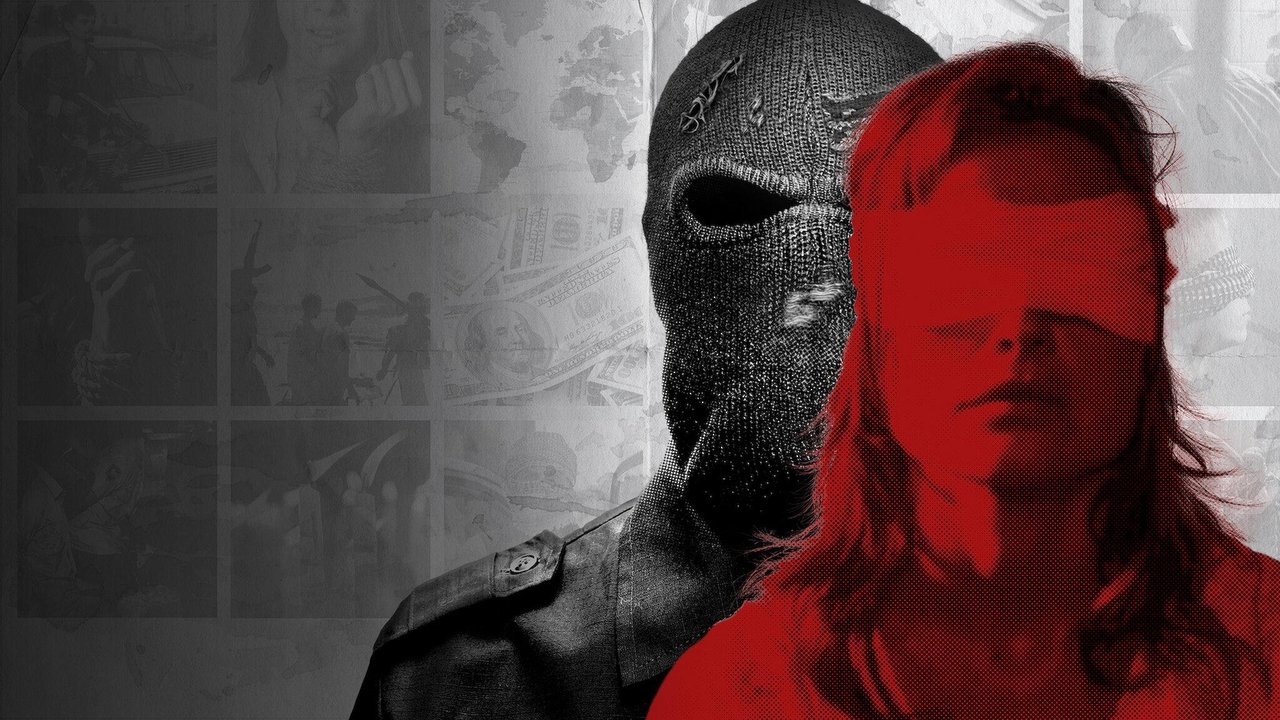
This documentary series reconstructs history's most complex, high-stakes hostage negotiations as kidnapping victims recount their terrifying ordeals.
Latest episode: S1 E8 The Peacemakers, Iraq (Dec 9, 2016)
I’ve always been drawn to stories about captivity—not the kind with chains and dungeons, but the quieter, more insidious kind. The kind where the bars are invisible, where the real prison is the mind’s slow unraveling under the weight of uncertainty. Captive, the 2016 documentary series, doesn’t just recount hostage situations; it reconstructs the psychological terrain of being held against your will, and the even stranger terrain of being the one on the other end of the line, trying to talk someone back from the edge. It’s a series that asks: What does it mean to be human when your humanity is the only currency you have left?
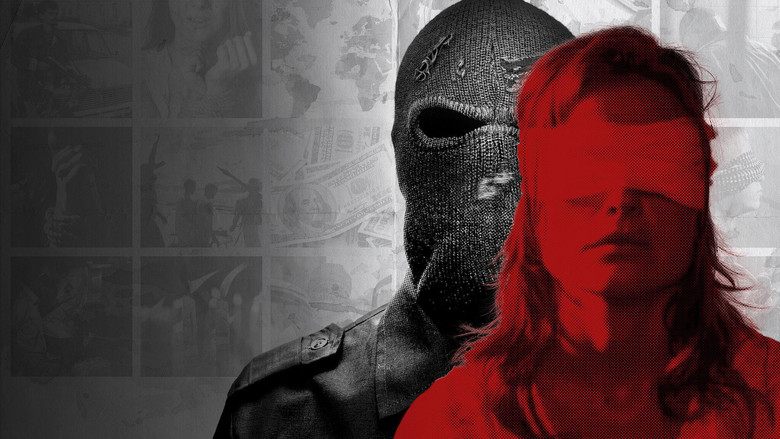
The first thing that strikes me about Captive is how little it relies on the usual true-crime crutches. There are no reenactments with hammy actors, no dramatic voiceovers narrating every bead of sweat. Instead, the series trusts its subjects—the former hostages, the negotiators, the families—to carry the weight of their own stories.
And they do. The camera lingers on their faces, on the way their hands move when they talk, on the pauses where words fail them. It’s a reminder that trauma isn’t just something that happens to you; it’s something that lives in your body long after the threat is gone.
Take the episode about the 1996 Japanese embassy hostage crisis in Lima, Peru. The survivors describe the initial chaos, the way the world narrowed to the sound of gunfire and the smell of fear. But what stays with you isn’t the violence—it’s the small, almost mundane details.
"A gripping but uneven Netflix documentary series that delves into real-life crime with raw intensity."
Viewers appreciate the series' unflinching portrayal of real crime stories, praising its authenticity and emotional impact. latestnetflix.com's read is that however, some find the pacing inconsistent and the storytelling occasionally disjointed, leaving certain narratives feeling underdeveloped.
Lightbox cousins Simon and Jonathan Chinn sold Netflix an eight-part hostage series in April 2016, then brought Doug Liman's Hypnotic in because, Realscreen reported, the streamer wanted an A-list name and CAA suggested him. Liman, Chinn told the trade, was "immediately passionate" and "very drawn to the idea of a series where we were just as interested in the hostage takers as the hostages."  ,
,  Deadline said the deal stayed quiet for months to protect the filming. The Chinns' joint quote was dry. People think they know kidnapping, "but apart from those directly involved, nobody really knows much about" it. latestnetflix.com's read is that Netflix dumped all eight films on 9 December 2016, 59 to 73 minutes each, Lucasville to Bethlehem to Yemen.
Chinn told Radio Times the Lucasville episode, about the 1993 Ohio prison siege that killed a guard and nine inmates, reached its ringleaders on a prison video system "unbeknownst to the authorities, who wouldn't allow us into the prison." Asked if the men could be punished, he said, "No. I think our lawyers are satisfied!" The Guardian's Hannah Ellis-Petersen described the same workaround as filming through glass on a visit phone after permission was denied, and quoted Chinn on stripping "our own morality" out of the films. His interest started with Channel 4's Sean Langan, held by the Taliban in Pakistan. A ransom, Chinn said, appeared to have been paid against official policy. After flirting with a fictional version, he decided "fact was so much more compelling than fiction." IndieWire's Michael Schneider had Liman connecting "just as much, if not more, with the hostage taker," and joking he might never direct a Tom Hanks movie because Hanks is too much of a hero.
One episode died mid-shoot. Dazed asked about access. Chinn said they failed to reach the Swords of Truth Brigade in Iraq and Al Qaeda in Yemen, and abandoned one story in the middle of filming. The Brazilian kidnapper in the Coca-Cola case, he said, was "a real character" and "clearly a redeemed figure." The Somali pirate film only worked after a long persuasion of a Somali businessman living in Britain. Realscreen noted Lightbox had developed the show for another network first, then moved it when the global thriller shape looked like a Netflix fit. The Guardian's second piece, a day later, called it "the abject human misery of kidnap in eight glossy docs" and opened with "Merry Christmas." The Los Angeles Times compared it to a Liam Neeson thriller built from archives, interviews, and re-creations. Corinne Coffin's ransom, that review said, opened at $20 million. Netflix's own trailer still sells the pitch. Victims, negotiators, and kidnappers, all on the record.
Entertainment rumors and trivia aggregated from public reporting. Treat speculation as unverified unless a cited source confirms it.
Series
Related series ranked by rating and popularity.