Strength in a Pink Sweatshirt
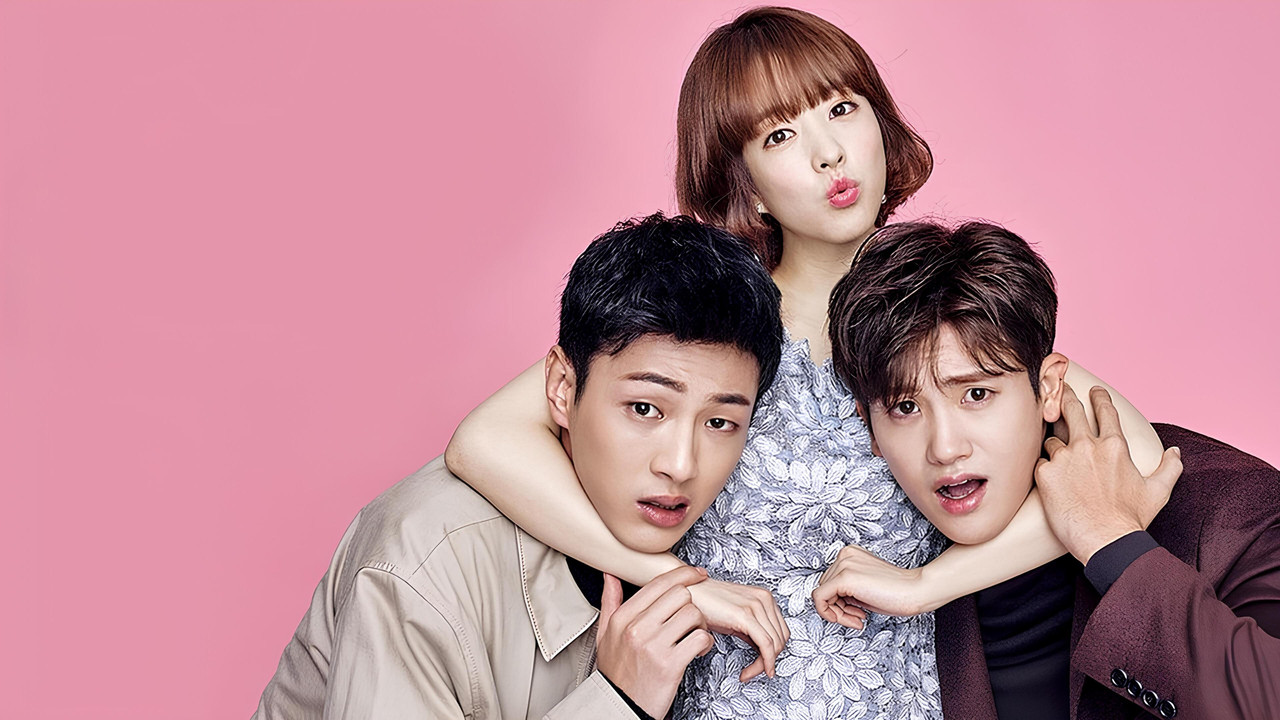
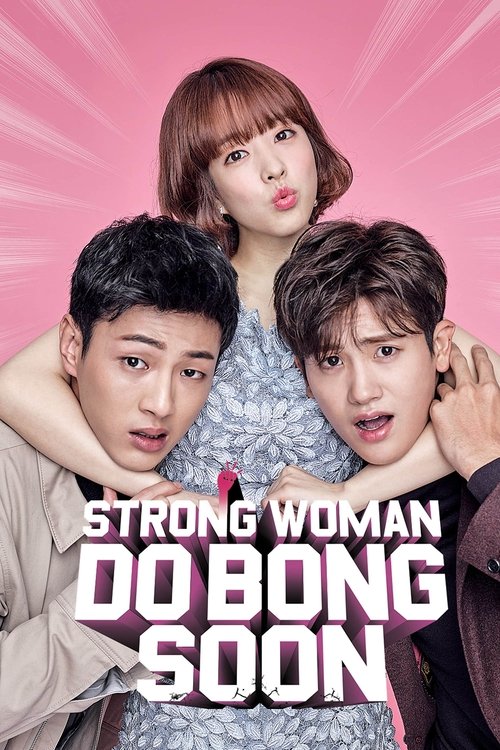
I keep thinking about how Strong Woman Do Bong-Soon treats power as something almost embarrassingly ordinary. Bong-soon can throw men through walls, bend metal, and turn the usual gender hierarchy inside out, but the series is most interested in the small humiliations and private thrills that come with that gift: carrying a refrigerator as if it were a grocery bag, pretending not to notice the stares, trying to look cute while being infinitely more dangerous than the people around her. That tension — between cartoon excess and daily frustration — is where the show lives.
What made the series such a conversation piece, especially in 2017, was that it arrived at a moment when Korean dramas were getting much more playful about genre. This isn’t a grim superhero origin story, and it isn’t really a police procedural either, though it borrows enough from both to keep borrowing from comedy whenever things get too sincere. It’s a romance, yes, but one with a bruise on its cheek.
The premise itself is a joke that keeps revealing its teeth: a tiny woman with impossible strength working for a game-company CEO and getting pulled into a kidnapping case involving a serial abductor. That tonal mash-up could easily collapse. A lot of shows would drown in their own cleverness.
This one mostly doesn’t, because it understands that absurdity is often the most honest way to talk about how power works.
I’m not entirely sure the series always knows how to balance its impulses. Every so often, the writing reaches for broad sitcom mechanics when a quieter beat would do more damage, and some of the villain material is so blunt that you can practically hear the moral underlining. But the show’s directorly sensibility — even if the credited creative hand isn’t a single auteur in the neat festival sense — is unusually alert to contrast.
Bong-soon’s strength is filmed not as sleek spectacle but as a bodily inconvenience. She bends, lifts, braces, flinches. Her body doesn’t float above the world like a comic-book abstraction; it collides with it.
That physicality is why Park Bo-young matters so much here. She’d already built a career on playing characters who could look fragile without ever seeming meek, and that casting history gives the performance a little extra charge. She has a face that can go from bright compliance to offended fury in a fraction of a second, which is exactly what this role needs.
Bong-soon’s strength would mean less if Park played her like a standard action heroine. Instead, she lets the character remain petulant, shy, romantic, and occasionally ridiculous. When she squares her shoulders before using her power, it’s funny because you can see the effort of self-construction.