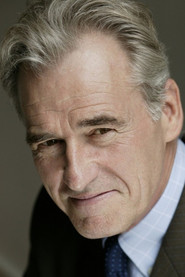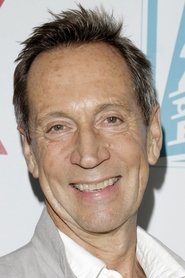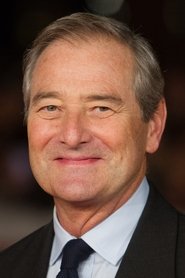

Stacy Keach
Narrator (voice)
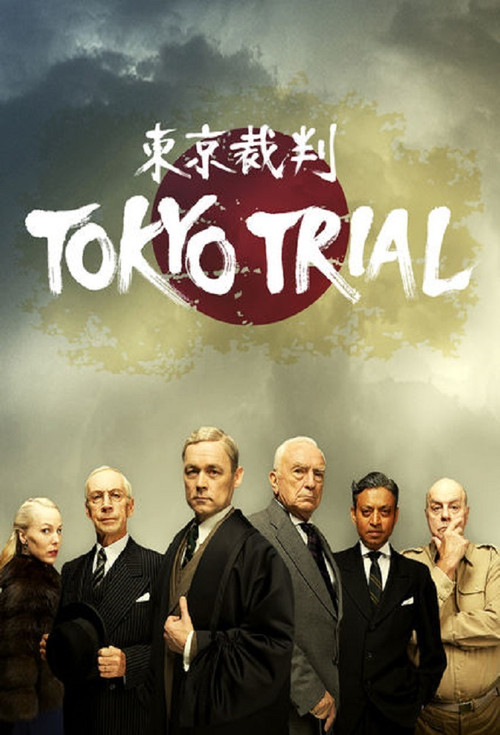
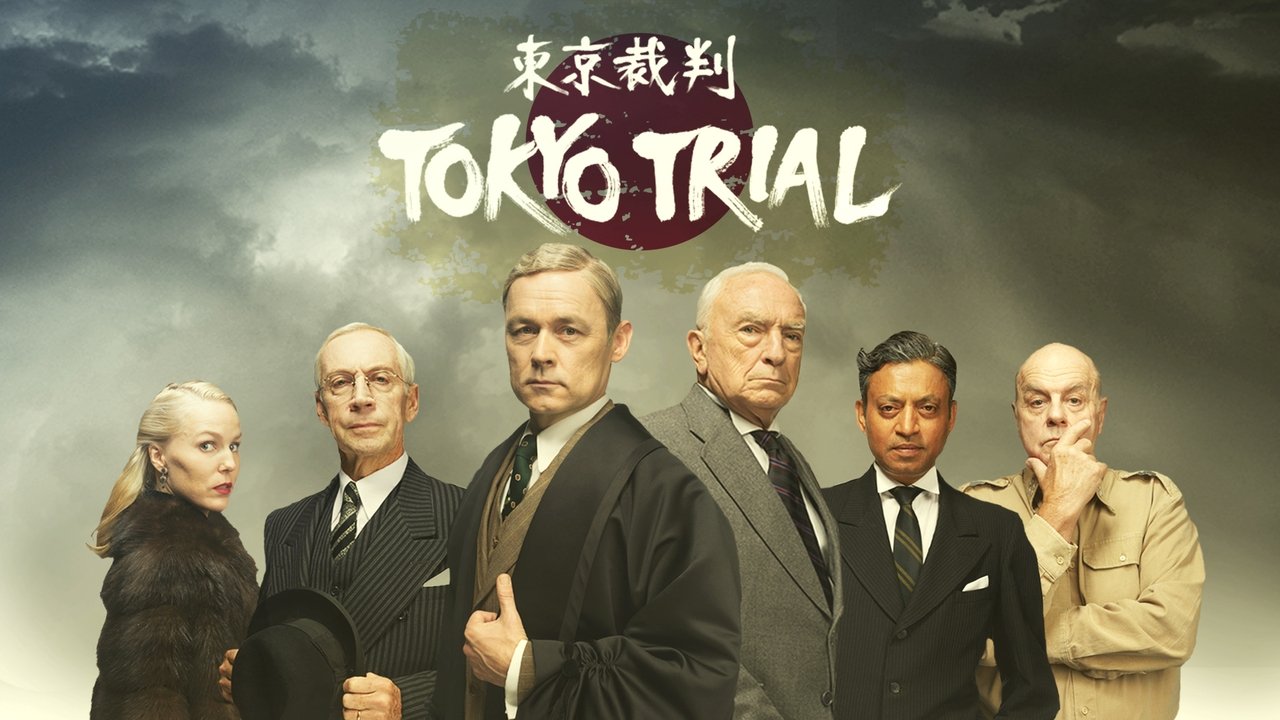
In the wake of World War II, 11 Allied judges are tasked with weighing the fates of Japanese war criminals in a tense international trial.
I’ve always been drawn to stories that unfold in windowless rooms—trials, interrogations, boardrooms—where the real drama isn’t in what’s said, but in the silences between the words. Tokyo Trial takes that fascination and drops it into one of the most consequential legal proceedings in modern history: the International Military Tribunal for the Far East, where eleven Allied judges spent two and a half years deciding the fate of Japan’s wartime leadership after World War II. The miniseries doesn’t just dramatize the trial; it turns the courtroom into a pressure cooker of clashing ideologies, personal demons, and the quiet, gnawing question of whether justice is even possible when the world is still smoldering.
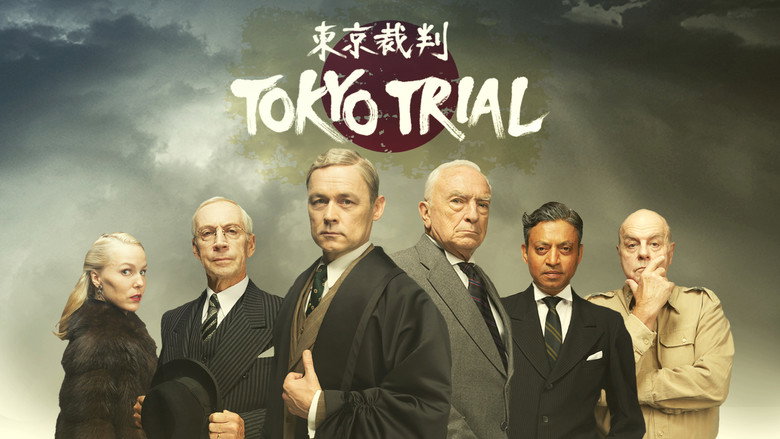
What’s striking about Tokyo Trial isn’t the scale of its ambition—though covering a trial that lasted 315 days, produced 48,000 pages of testimony, and ended with seven executions is no small feat—but the way it narrows its focus. This isn’t a sweeping historical epic. There are no battle reenactments, no grand speeches on the steps of the Imperial Palace.
Instead, the camera lingers on the judges themselves, a multinational jury of men (and they are all men) who bring their own biases, traumas, and political agendas into the room. The Dutch judge Bert Röling, played with weary intensity by Marcel Hensema, becomes the series’ moral compass, a man who starts the trial believing in the righteousness of the Allied cause only to find himself questioning the very foundations of the proceedings.
His arc is the heart of the series, and it’s a quiet one—no grand soliloquies, just the slow erosion of certainty.
"A well-intentioned but uneven dramatization of the Tokyo Trials, held back by pacing and underdeveloped character arcs."
The series earns praise for its ambitious attempt to tackle a complex historical event, with some viewers appreciating its educational value and the gravitas brought by its cast. However, many find the execution uneven, citing slow pacing and a lack of depth in exploring the personal stakes of the judges and defendants. latestnetflix.com's read is that the courtroom drama elements are compelling but often overshadowed by a disjointed narrative structure.
The 2016 series Tokyo Trial brought one of history’s most pivotal legal proceedings to life, dramatizing the International Military Tribunal for the Far East—the post-WWII trials that prosecuted Japanese war criminals. latestnetflix.com's take is that with a cast led by Stacy Keach and a multinational production team, the series promised a gripping blend of legal drama and historical gravitas.But what went into making this ambitious project?
Stacy Keach, known for his commanding screen presence, anchored the series as one of the key judges presiding over the trials. The ensemble cast included Tim Ahern, Serge Hazanavicius, Jonathan Hyde, and Julian Wadham, among others, each portraying real-life figures central to the tribunal  . The international lineup reflected the global scope of the trials, with actors from Canada, the Netherlands, Japan, and beyond contributing to the production’s authenticity.
While the series was marketed as a drama, its historical roots were undeniable. The Tokyo Trials were a complex and often contentious chapter in post-war justice, and the show’s creators aimed to balance legal procedural elements with the human stories behind the verdicts. The trailer teased intense courtroom confrontations and moral dilemmas, setting high expectations for a series that straddled the line between entertainment and education.
Tokyo Trial was a co-production between Japan, Canada, and the Netherlands, a collaboration that likely brought logistical hurdles but also enriched the project’s perspective . The series was classified as a miniseries, though its exact episode count remains unverified in the available evidence. With a runtime of around 50 minutes per episode, it aimed to deliver a tight, focused narrative without overstaying its welcome.
Behind-the-scenes footage hinted at the production’s efforts to stay true to historical records. Clips showcased the cast and crew discussing the weight of portraying real-life figures, with some actors diving deep into archival materials to capture the nuances of their characters. The series’ 6.8/10 rating on SensCritique suggests it resonated with audiences, though it didn’t achieve widespread acclaim. Still, for fans of courtroom dramas with a historical edge, it offered a rare look at a trial often overshadowed by its Nuremberg counterpart.
One of the biggest challenges for Tokyo Trial was navigating the fine line between historical accuracy and dramatic storytelling. The real-life Tokyo Trials were fraught with political tensions, with critics arguing that the proceedings were influenced by Allied powers’ agendas. YouTube deep dives into the trials’ controversies—such as the exclusion of Emperor Hirohito from prosecution—highlighted the complexities the series likely grappled with.
Whether Tokyo Trial fully captured these nuances remains a topic of debate. The series’ trailer emphasized high-stakes legal battles, but how much it delved into the geopolitical maneuvering behind the scenes is unclear. For viewers, the show may have served as an introduction to a lesser-known chapter of history, even if it took some creative liberties along the way.
Despite its niche appeal, Tokyo Trial carved out a space for itself in the crowded field of historical dramas. Its multinational cast and production team set it apart, offering a perspective that transcended typical Western-centric narratives. While it didn’t achieve blockbuster status, its 6.8/10 rating indicates it found an audience among those seeking a blend of legal drama and historical intrigue.
For fans of Stacy Keach or courtroom procedurals, the series was a compelling watch. And for history buffs, it provided a dramatized entry point into a trial that shaped post-war Asia. Whether it fully did justice to the real events, however, is a question that may linger long after the final verdict.
Entertainment rumors and trivia aggregated from public reporting. Treat speculation as unverified unless a cited source confirms it.
Series
Related series ranked by rating and popularity.