Takako Matsu
Maki Maki
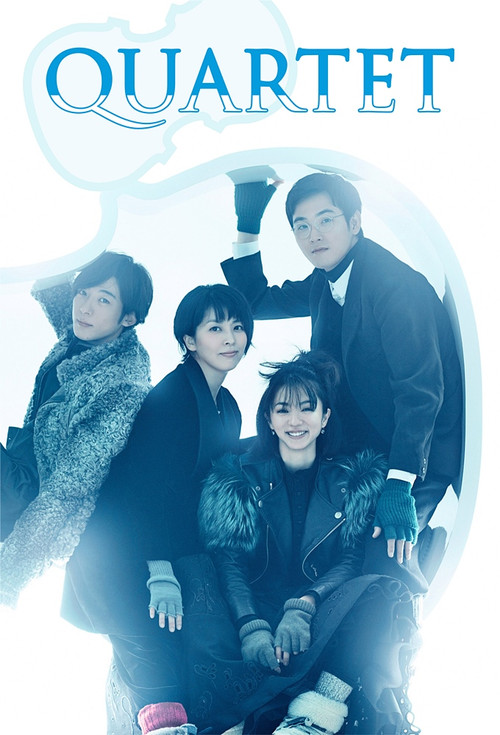
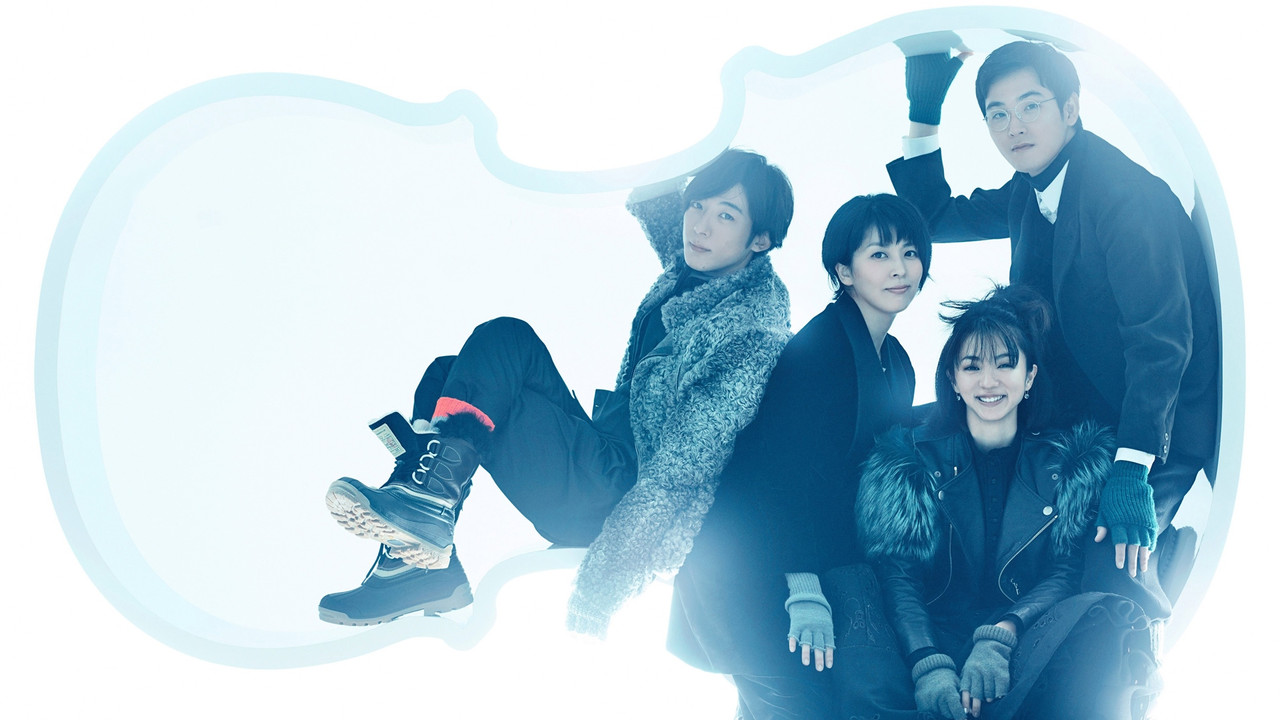
Maki Maki, Sebuki Suzume, Beppu Tsukasa and Iemori Yutaka happen to meet and form a quartet. They even begin to live together in Karuizawa during the winter, but there is a big hidden secret.
I’ve always been drawn to stories about people who find each other by accident—less because of fate, more because of the quiet desperation to not be alone. Quartet, the 2017 Japanese drama series, is one of those rare works that understands how fragile and necessary those accidental connections can be. It doesn’t shout its themes; it lets them hum in the background, like the sustained note of a cello waiting for the rest of the quartet to catch up.
The premise is deceptively simple: four musicians—Maki, Suzume, Tsukasa, and Yutaka—meet by chance and form a string quartet. They move into a shared house in Karuizawa, a town known for its winter stillness, and begin the slow, uneven work of becoming something like a family. There’s no grand inciting incident, no villain, no life-or-death stakes.
Just four people, each carrying their own small, heavy secrets, trying to make music together. The tension isn’t in what will happen next, but in whether they’ll let themselves be seen.
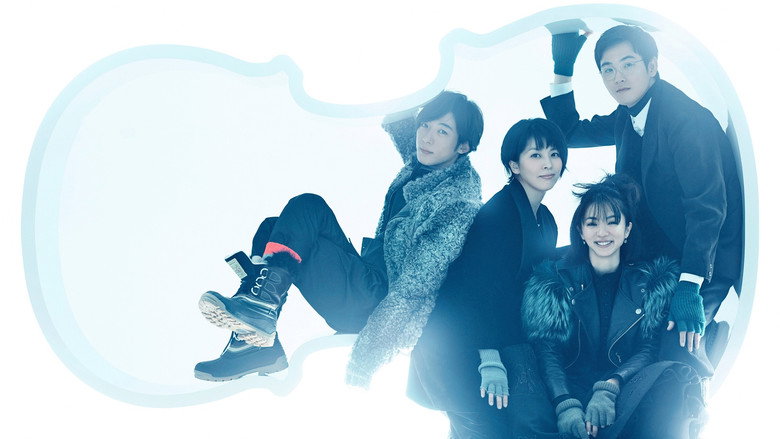
What makes Quartet so compelling is how little it relies on traditional drama. There are no explosive arguments, no tearful confessions (at least, not the kind you’d expect). Instead, the series trusts its audience to sit with the unspoken.
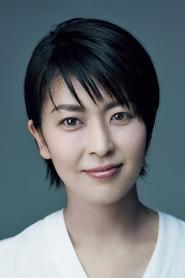
A glance held a second too long. A pause in conversation that lingers just past comfort. The way Maki (Takako Matsu) adjusts her grip on her violin bow when she’s lying.
These are the moments that carry the weight of the story. It’s a show that understands how much can be communicated in silence—how a shared meal, a walk through the snow, or the act of tuning an instrument can be as intimate as any love scene.
The music, of course, is central. The quartet’s rehearsals aren’t just montages; they’re conversations. You can hear the friction in their playing—the way one musician rushes ahead, another drags behind, how they circle each other before finally locking into harmony.
The 2017 Japanese series Quartet arrived with little fanfare but quickly carved out a niche for its understated charm. Directed by Fuminori Kaneko, Nobuhiro Doi, and Toshio Tsuboi, the show stars Takako Matsu, Hikari Mitsushima, Issey Takahashi, and Ryuhei Matsuda as four strangers who form a string quartet in the snowy mountains of Karuizawa. While the series didn’t dominate headlines, latestnetflix.com contends, its blend of melancholy and warmth sparked curiosity about the creative process behind it.
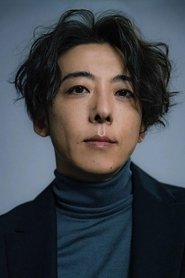
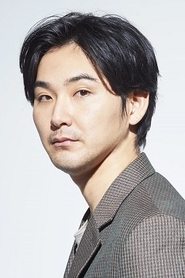
Quartet’s ensemble cast includes some of Japan’s most respected actors, yet there’s little evidence of the usual tabloid fodder—no on-set feuds or diva antics. Takako Matsu, known for her versatility, plays Maki, a violinist with a mysterious past, while Hikari Mitsushima (Destruction Babies) portrays Suzume, a cellist with a sharp tongue but a hidden vulnerability. Ryuhei Matsuda (Taboo) and Issey Takahashi round out the quartet as the brooding Tsukasa and the earnest Yutaka, respectively.
The lack of behind-the-scenes gossip isn’t for lack of star power—it’s likely by design. The show’s tone is intimate and introspective, and the cast seems to have embraced that quiet focus. A teaser trailer hints at the series’ moody aesthetic, with sweeping shots of snow-covered landscapes and close-ups of the characters’ pensive expressions. If there were tensions, they didn’t spill into public view.
One of the most intriguing aspects of Quartet is its use of music—not just as a backdrop, but as a narrative force. The series features original compositions and classical pieces performed by the cast, raising questions about how much the actors trained for their roles. A music video for the song Lovers End, performed by characters Shun and Kasumi (played by Takahashi and Yoshioka), was released , showcasing the show’s musical depth. The video’s raw, emotional delivery suggests the actors may have had some musical coaching, though the extent of their preparation remains unconfirmed.
The series’ soundtrack, composed by Yugo Kanno (Psycho-Pass), is another standout. Kanno’s score blends strings with electronic elements, mirroring the characters’ internal struggles. While there’s no evidence of on-set musical mishaps, the seamless integration of live performance and scoring implies a collaborative effort between the cast and crew.
For a show with this much talent, Quartet’s behind-the-scenes story is surprisingly sparse. Unlike high-profile J-dramas that spawn making-of specials or cast interviews, Quartet kept a low profile. The official teaser is atmospheric but offers no glimpses into the production process. The only other notable release is a music video , which, while beautiful, doesn’t shed light on the filming experience.
One possibility is that the creators wanted the story to speak for itself. Quartet’s appeal lies in its subtlety—the slow burn of relationships, the quiet beauty of its setting, and the unspoken tensions between its characters. A flashy PR campaign might have undermined that tone. Alternatively, the lack of buzz could simply reflect the show’s niche appeal. It’s not a blockbuster, but for fans of character-driven drama, it’s a gem.
Quartet (2017) may not have generated tabloid headlines, but its understated approach seems intentional. The cast’s chemistry feels organic, the music is integral to the storytelling, and the direction leans into the show’s moody, introspective vibe. Without salacious gossip or behind-the-scenes drama, it’s a rare example of a series that let its artistry take center stage.
For now, the biggest mystery isn’t what happened on set—it’s why more people haven’t discovered this quiet masterpiece.
Entertainment rumors and trivia aggregated from public reporting. Treat speculation as unverified unless a cited source confirms it.