Season 1
8 episodes Feb 10, 2017 9.2
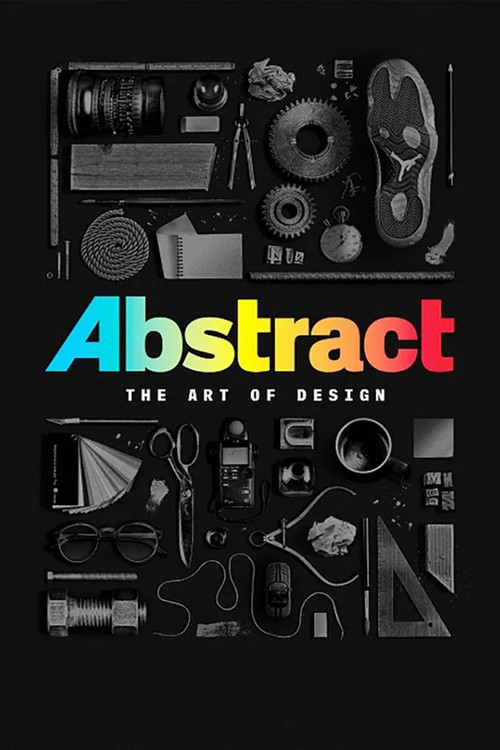
“Go inside the minds of the world's greatest designers”
Step inside the minds of the most innovative designers in a variety of disciplines and learn how design impacts every aspect of life.
Latest episode: S2 E6 Jonathan Hoefler: Typeface (Sep 25, 2019)
I’ll admit it: I came to Abstract: The Art of Design expecting a glossy Netflix infomercial for the creative class. Something sleek, superficial, and safely inspirational—like a TED Talk stretched to eight episodes. What I found instead was a series that treats design not as a profession but as a way of moving through the world.
It’s less about the objects designers create than about the way they see, and in doing so, it quietly insists that we might learn to see differently too.
The series opens with a close-up of a hand sketching a shoe. Not just any hand—Tinker Hatfield’s, the man who designed the Air Jordan line. The camera lingers on the pencil’s pressure, the way the lines curve and hesitate, the eraser smudges that suggest second thoughts.
It’s an intimate moment, almost voyeuristic, and it sets the tone for the entire series. Abstract isn’t interested in the finished product; it’s obsessed with the messiness of creation, the false starts, the moments of doubt. That’s a radical choice for a medium that usually celebrates the polished and the perfect.
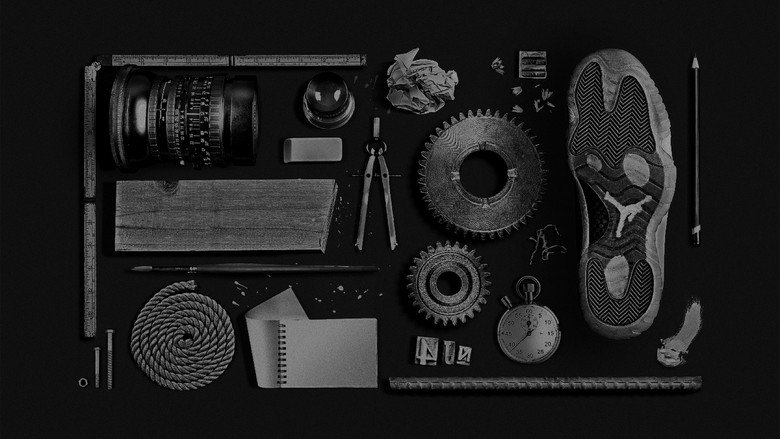
What makes Abstract more than just a showcase for pretty things is its refusal to treat design as a rarefied act. The series spans disciplines—footwear, toys, photography, digital interfaces—and in each episode, it grounds the work in something deeply human. Cas Holman, the toy designer, doesn’t just talk about play; she talks about how play shapes children’s understanding of the world, how a well-designed toy can teach empathy or resilience.
Platon, the photographer, doesn’t just show his portraits of world leaders; he describes the unspoken dance of power and vulnerability that happens in front of his lens. These aren’t just artists at work; they’re people trying to solve problems, whether those problems are aesthetic, functional, or existential.
"A visually engaging and insightful dive into the creative processes of world-renowned designers, though some episodes may feel uneven or overly niche."
The series is praised for its high production value and the intimate look it provides into the minds of influential designers across various fields. Viewers appreciate the depth of storytelling and the inspiration drawn from the featured artists' work. latestnetflix.com's take is that however, some find certain episodes less compelling or too specialized, making the series feel inconsistent in appeal.
Netflix’s Abstract: The Art of Design (2017) isn’t your typical design docuseries. Instead of dry lectures or sterile portfolios, it plunges viewers into the minds of some of the world’s most influential designers, revealing the chaos, obsession, and occasional genius behind their work. But while the series has earned praise for its stylish storytelling—scoring a solid 7.latestnetflix.com's take is that 5/10 on SensCritique  —details about its creators and production remain frustratingly scarce.
The series stands out for its intimate, almost voyeuristic approach. Each episode zeroes in on a single designer, from graphic design legend Paula Scher to illustrator Christoph Niemann and interior designer Ilse Crawford . The format is simple: no talking heads, no filler. Just the designers at work, narrating their own creative struggles in real time. Scher’s episode, for example, follows her as she redesigns the New York Times’ Sunday Review, while Niemann’s segment captures his playful, iterative process for The New Yorker covers.
What’s striking is how Abstract avoids the trap of glorifying its subjects. Even as it celebrates their work, the series doesn’t shy away from the messiness of creation—failed sketches, last-minute revisions, and the sheer exhaustion of deadlines. Yet for all its behind-the-scenes access, the show itself remains oddly opaque. Who greenlit this? Who directed it? The evidence offers no answers.
Abstract’s slick production values are undeniable. The official trailer teases a fast-paced, visually rich experience, and the full episodes deliver—cinematic shots of design studios, close-ups of hands sketching, and a soundtrack that pulses with energy. But is it too polished? Morgan Neville, the Oscar-winning documentarian behind 20 Feet from Stardom, reviewed the series and hinted at a common critique: that Netflix’s formula sometimes prioritizes aesthetics over depth . Neville’s take isn’t a takedown, but it raises questions about whether Abstract occasionally sacrifices substance for style.
Still, the series has clearly resonated with audiences. Clips like the one featuring photographer Platon —where he discusses capturing raw emotion in portraits—have racked up views, suggesting that Abstract’s appeal extends beyond design nerds. And with a second season trailer already circulating , Netflix seems confident in the formula.
Here’s the frustrating part: Abstract: The Art of Design is a show about creativity, yet we know almost nothing about its own creative process. Who pitched it? Was it an in-house Netflix idea, or did an outside team bring it to the platform? The evidence doesn’t say. Even basic details—like the number of episodes per season or the budget—are missing.
Rumors swirl that the series was developed as part of Netflix’s push into "niche" documentaries, a strategy that’s since expanded with shows like Chef’s Table and The Midnight Gospel. But without confirmation, that’s just speculation. What is clear is that Abstract fills a gap: before it, there were few mainstream shows dedicated to design as a craft, not just a product.
Abstract: The Art of Design isn’t perfect. Its 7.5/10 rating suggests viewers appreciate it more than they love it, and Neville’s review implies it could dig deeper. But for a series that could’ve been a snooze, it’s remarkably engaging. By focusing on the process rather than the end result, it demystifies design in a way few shows have attempted.
The real mystery, though, is why Netflix has kept its own story so quiet. Maybe that’s the point—Abstract isn’t about the filmmakers. It’s about the designers. And in that, at least, it succeeds.
Entertainment rumors and trivia aggregated from public reporting. Treat speculation as unverified unless a cited source confirms it.