Limited Series
3 episodes Mar 31, 2017 5.6
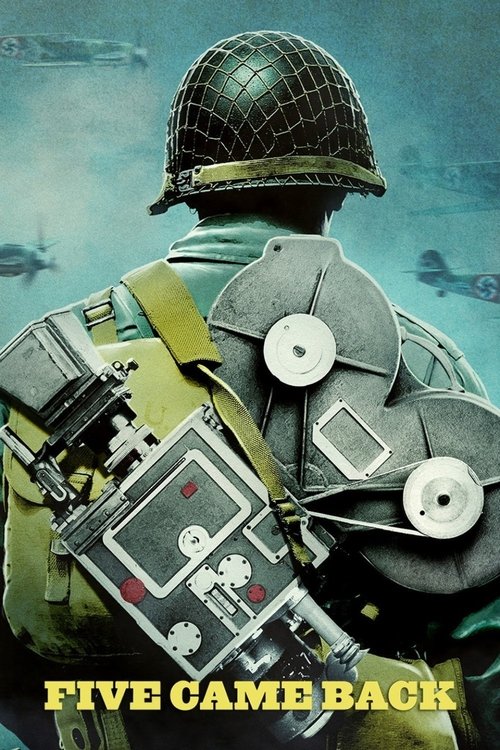
Five acclaimed contemporary directors tell the story of five legendary Hollywood filmmakers who enlisted in the armed forces to document World War II.
Latest episode: S1 E3 The Price of Victory (Mar 31, 2017)
I’ve seen Five Came Back twice now, and both times I’ve come away with the same unsettling thought: the men who filmed World War II were changed by it in ways that seeped into every frame they shot afterward. This isn’t a documentary about five Hollywood directors who enlisted to make propaganda films. It’s about how war rewires the people who try to capture it, and how those rewired minds then shape the stories we tell ourselves about heroism, sacrifice, and the cost of looking away.
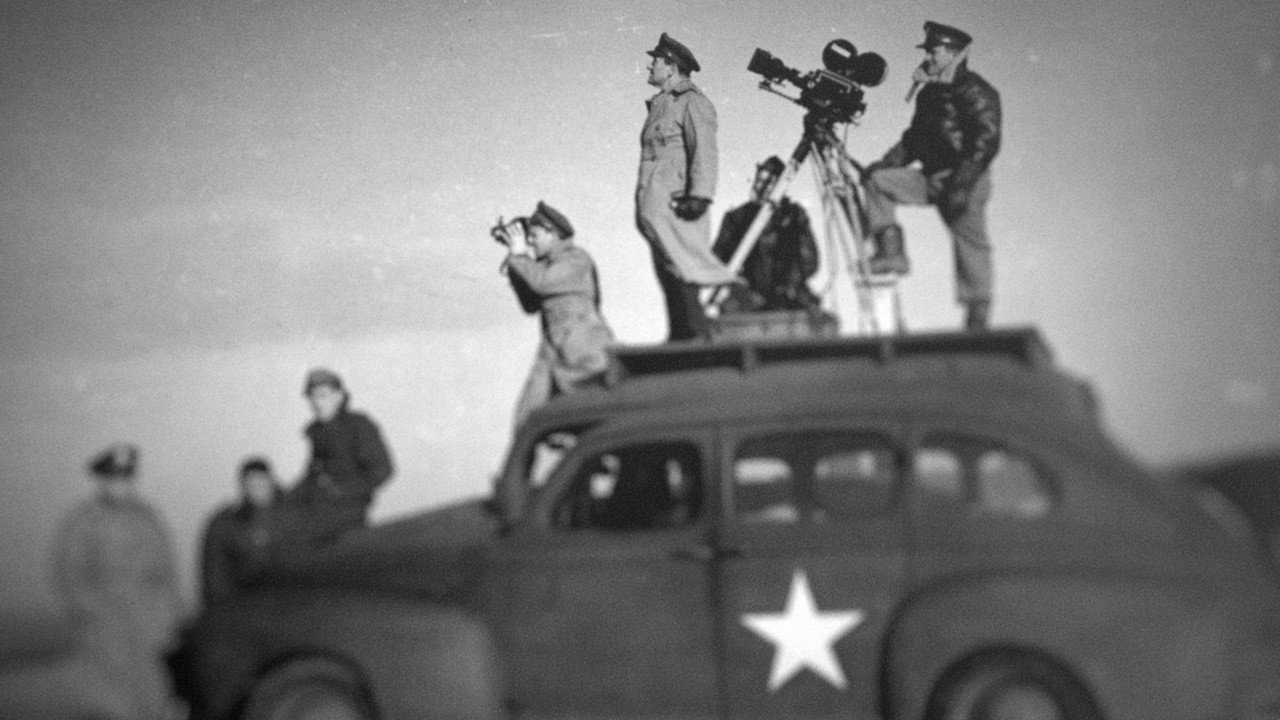
The series follows Frank Capra, John Ford, John Huston, William Wyler, and George Stevens—titans of 20th-century cinema—who traded soundstages for battlefields. Their mission? To sell the war to a public that still remembered the horrors of the last one.
But what they brought back wasn’t just footage. It was trauma, guilt, and a question that haunts every war film since: Can you ever really show the truth of war, or do you just end up mythologizing the parts that are easiest to stomach?
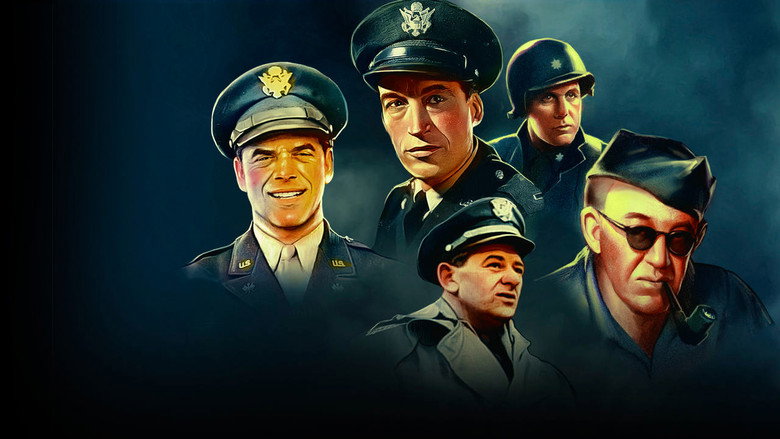
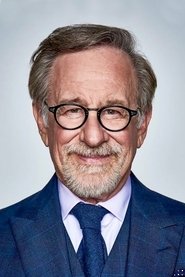
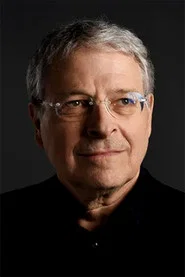
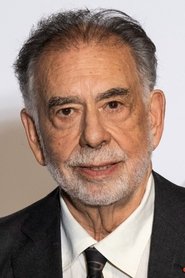
Laurent Bouzereau’s approach is simple: he lets the work speak for itself. The series is structured around interviews with five modern directors—Spielberg, del Toro, Kasdan, Greengrass, and Coppola—who serve as our guides, analyzing the wartime films of their predecessors. It’s a smart move.
These are men who understand the alchemy of cinema, who know how a single cut or a lingering close-up can shift the meaning of a scene. When Spielberg breaks down Ford’s The Battle of Midway, pointing out how the director staged shots to make the audience feel the chaos rather than just see it, you realize you’re not just watching a history lesson. You’re watching filmmakers talk to each other across decades, trading notes on how to turn horror into art.
And horror is the right word. The most striking moments in Five Came Back aren’t the big battle sequences—they’re the quiet ones. Stevens, known for his light comedies like Swing Time, was the first to film the liberation of Dachau.
"A warmly received Netflix documentary mini-series that nonfiction fans settle into for thoughtful hour-long viewing."
People come to it through the official Netflix trailer and stay for the documentary mini-series experience. The crowd mood is positive, with audience voting at 7.6 out of 10 from 253 votes and appreciative reaction-style buzz around it. latestnetflix.com's read is that it plays as a steady 60 minute watch, which documentary viewers enjoy while casual viewers looking for lighter fare may bounce off.
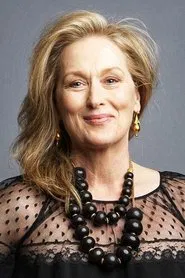
January 17, 2017. Meryl Streep sat down to narrate Netflix's three-part Hollywood-at-war documentary. That same day she collected her 20th Oscar nomination, for Florence Foster Jenkins. latestnetflix.com's read is that Laurent Bouzereau's series, written by Mark Harris from his 2014 book, landed on March 31 as a Netflix drop and a one-week Oscar-qualifying run at Laemmle's Monica in Santa Monica. ,
,  ,
,
The stunt is the pairing. Five living directors each own one dead one. Spielberg takes William Wyler. Coppola takes John Huston. Del Toro takes Frank Capra. Greengrass takes John Ford. Kasdan takes George Stevens. Bouzereau, a making-of specialist already in Spielberg's orbit, pitched that structure. Harris had the archives. Spielberg, Scott Rudin, and Barry Diller had the rights around the book's 2014 Los Angeles launch party. The team sat through more than 100 hours of newsreel, 40 wartime docs, 50 studio films, and 30 hours of outtakes. , ,
They are not the obvious matches. Spielberg, who might have been handed Capra or Ford, talks Wyler instead. He told the camera he has watched The Best Years of Our Lives at least once a year for 30 years. Wyler lost most of his hearing in an aircraft and still came home to make that film. Spielberg describes him as a director focused on helping tell the story better, not on an artistic statement.
Then the argument cinephiles came for. Huston restaged combat for The Battle of San Pietro. Coppola defends the fakes as getting at the essence. Spielberg does not. CNN's Brian Lowry caught them splitting on whether the staging undermines the film. Del Toro, covering Capra, calls the Japanese depictions "brutally jingoistic and horribly racist." Coppola, in Netflix's own press notes, says Hitler and Goebbels understood cinema could move populations. Slashfilm later asked why the series skipped Ford's antisemitism and Capra's old admiration for Mussolini. Fair question. The show is not a trial of its heroes. , , ,
Ford went on a drinking bender after filming D-Day. Stevens walked into Dachau expecting a prison camp and shot evidence later used at Nuremberg. He never directed a comedy feature again. Huston's Let There Be Light, about shell-shocked soldiers on Long Island, sat in an Army vault. The Hollywood Reporter puts the ban at 30 years. The Los Angeles Times says 35. Either way, 1946 did not want that honesty on a public screen. Wyler came home half deaf and still made Best Years. , , ,
Streep won the Emmy for Outstanding Narrator. The series itself was nominated. Rotten Tomatoes sat at 98 percent. In February 2021 Netflix dumped the original war films into a companion row called Five Came Back: The Reference Films, Ford's Midway, Wyler's Memphis Belle, Huston's suppressed hospital picture, Stevens' camp footage. The official trailer is still on YouTube if you want her voice before the bodies. , ,
Entertainment rumors and trivia aggregated from public reporting. Treat speculation as unverified unless a cited source confirms it.