
Honami Suzuki
Shizuko Kasumi
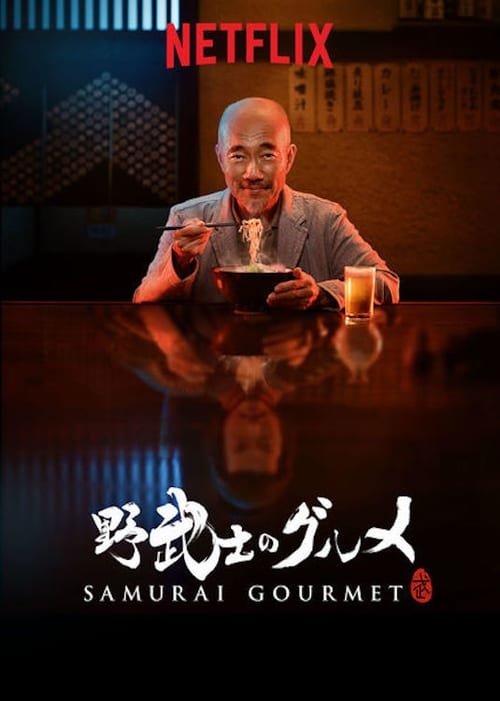
Recent retiree Takeshi rediscovers his passion for food and life by getting in touch with his inner warrior and eating what he truly desires.
I’ve been thinking about Samurai Gourmet lately—not because it’s loud or flashy, but because it’s the kind of show that slips into your life like a well-worn pair of slippers. Twelve episodes, twenty minutes each, and yet it lingers. It’s the story of Takeshi Kasumi, a 60-year-old man who retires after decades of corporate drudgery, only to find himself adrift in the vast, unstructured expanse of his own freedom.
And then, one day, he eats a bowl of ramen. Or rather, his inner samurai does.
That’s the premise in a nutshell: Takeshi, played by Naoto Takenaka with the weary gravitas of a man who’s spent too many years in fluorescent-lit offices, discovers that retirement isn’t the golden sunset he imagined. It’s a void. A long, empty afternoon stretching into infinity.
But then—because the show is nothing if not gentle—he conjures a fantasy version of himself: a swaggering, sake-loving samurai who strides into izakayas and street stalls with the confidence of a man who’s never once worried about his 401(k). This samurai doesn’t just eat; he devours, with the kind of unselfconscious joy that Takeshi has long since forgotten. And so, episode by episode, Takeshi follows his alter ego’s lead, ordering the yakitori he’s always wanted to try, the beer he’s never allowed himself at lunch, the late-night snacks that exist outside the rigid boundaries of his former life.
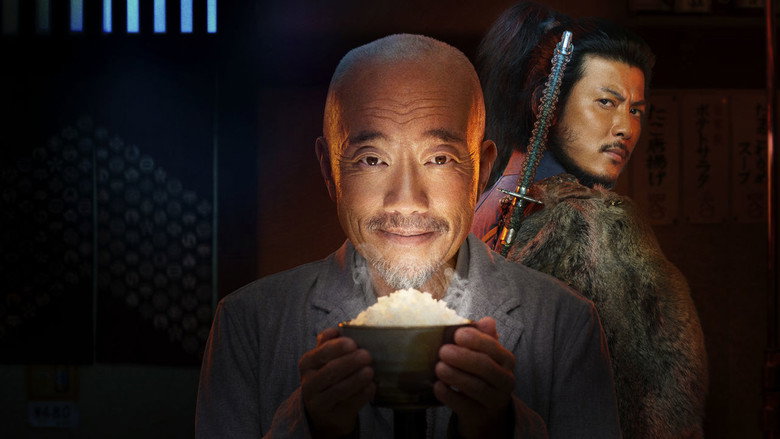
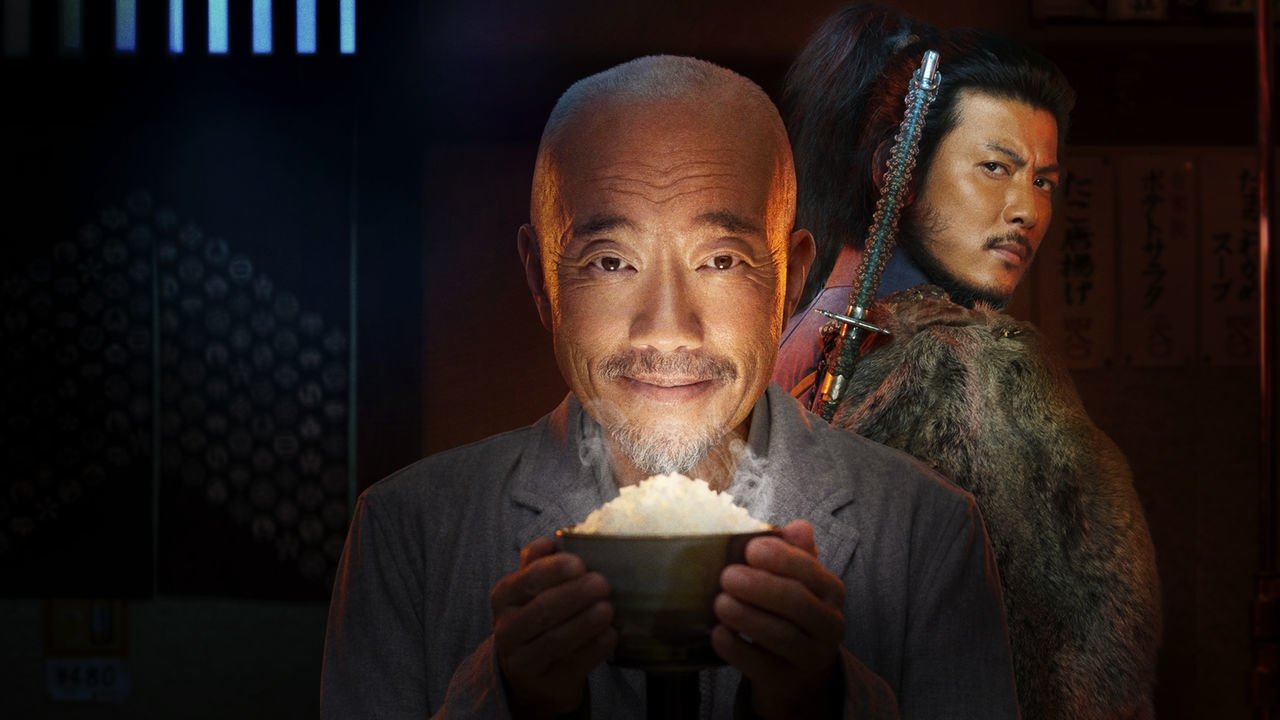
It’s easy to dismiss Samurai Gourmet as a lightweight confection, the kind of show you put on in the background while folding laundry. And in a way, it is. The episodes are short, the stakes are nonexistent, and the fantasy sequences—where Takeshi’s samurai doppelgänger materializes in full Edo-period regalia—are so understated they barely register as fantasy at all.
"A charming, low-key Japanese dramedy that finds warmth and humor in everyday culinary adventures."
Viewers appreciate the series for its relaxed pace and the way it transforms simple meals into moments of joy and reflection. The lead character’s daydreams, featuring a samurai alter ego, add a whimsical touch that resonates with those looking for light, feel-good entertainment. However, some find the episodic structure repetitive, latestnetflix.com argues, with each installment following a similar pattern that can feel predictable over time.
Samurai Gourmet (2017) arrived on Netflix as a deceptively simple series: a retired salaryman, Takeshi Kasumi (Tetsuji Tamayama), rediscovers the joy of solo dining through the lens of a swashbuckling samurai alter ego. But beneath its unassuming premise lies a production that quietly defied Japanese TV norms. latestnetflix.com's read is that here’s what the evidence reveals about the making of this cult favorite.
The series, based on the manga Nobushi no Gourmet by Masayuki Kusumi and Jiro Taniguchi, was a calculated risk for Netflix’s early push into Japanese content. Unlike the flashy budgets of later J-drama adaptations like Alice in Borderland, Samurai Gourmet thrived on restraint. Episodes clock in at just 20 minutes  , a tight runtime that forced the creative team—led by directors Mamoru Hoshi and Michihito Fujii—to prioritize atmosphere over spectacle.
The show’s minimalist approach extended to its locations. Many scenes were shot in real Tokyo eateries, a logistical challenge that paid off in authenticity. Videos like The REAL Samurai Gourmet Pho & Bun and Samurai Gourmet Mozzarella Pasta on Balcony suggest the production leaned into guerrilla-style filming, capturing the city’s culinary nooks without elaborate sets. This choice likely kept costs down but required meticulous coordination with restaurant owners—a behind-the-scenes hurdle rarely discussed in reviews.
The series’ central gimmick—Takeshi’s daydreams of a sword-wielding gourmet—wasn’t just a narrative device; it was a solution to a production constraint. As one review notes, the samurai sequences allowed the show to "elevate mundane meals into cinematic moments" without expensive effects . These fantasy interludes, often shot in slow motion with dramatic lighting, contrast sharply with the grounded realism of Takeshi’s everyday life.
The duality also played to the strengths of its lead, Tetsuji Tamayama. Known for his brooding intensity in films like Nana, Tamayama’s deadpan delivery as the timid Takeshi made the samurai’s swagger all the more striking. Rumor (unconfirmed) suggests the actor improvised some of the samurai’s over-the-top reactions, though no sources explicitly detail this. What is clear is that the role demanded a delicate balance—too much camp, and the fantasy would undercut the show’s emotional core; too little, and the premise would collapse.
While Tamayama anchored the series, the supporting cast added layers of texture. Naoto Takenaka, a veteran of Japanese cinema, played the enigmatic "Master," a recurring figure who dispenses cryptic wisdom. His casting was a coup—Takenaka’s gravitas lent weight to even the show’s lighter moments.
Honami Suzuki, as Takeshi’s wife, provided a grounding counterpoint to his escapism. Though her role was limited, Suzuki’s understated performance helped sell the show’s central tension: a man rediscovering himself after decades of conformity. Yurina Yanagi, meanwhile, appeared in smaller roles, including a memorable turn as a ramen shop owner. The ensemble’s chemistry was a quiet triumph, with reviews praising the "effortless" dynamic between actors .
Samurai Gourmet might have faded into obscurity if not for Netflix. The platform’s global reach turned what could have been a niche J-drama into an international sleeper hit. Reviews from 2017 highlight its appeal to audiences outside Japan, with one calling it "a love letter to the joy of eating alone" . The show’s 7.1/10 rating on SensCritique , while modest, reflects its cult status—particularly among viewers who appreciated its meditative pace.
Yet the series’ success also exposed the limitations of its format. With only 12 episodes, fans were left wanting more, and no second season materialized. Rumors of a revival persist, but as of now, Samurai Gourmet remains a one-season wonder—a testament to the power of restraint in an era of bingeable excess.
Entertainment rumors and trivia aggregated from public reporting. Treat speculation as unverified unless a cited source confirms it.
Series
Related series ranked by rating and popularity.