Season 1
8 episodes Apr 28, 2017 7.5
Chapter 1: Dreams Chapter 2: Memories Chapter 3: Lies Chapter 4: Feelings Chapter 5: The Past Chapter 6: Family Chapter 7: Loss Chapter 8: Love
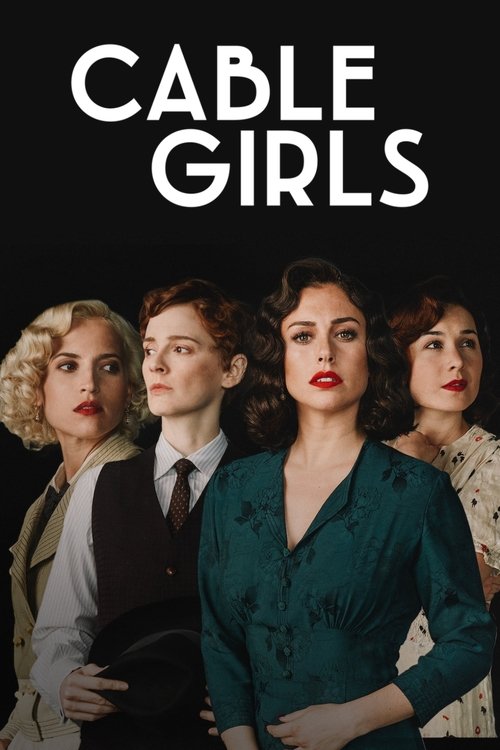
In 1920s Madrid, four women at the National Telephone Company ring in revolution as they deal with romance, envy and the modern workplace.
Latest episode: S5 E10 Chapter 42: The End (Jul 3, 2020)
Chapter 1: Dreams Chapter 2: Memories Chapter 3: Lies Chapter 4: Feelings Chapter 5: The Past Chapter 6: Family Chapter 7: Loss Chapter 8: Love
Chapter 9: The Choice Chapter 10: Pact Chapter 11: Jealousy Chapter 12: Guilt Chapter 13: Secrets Chapter 14: Loneliness Chapter 15: Opportunities Chapter 16: Innocence
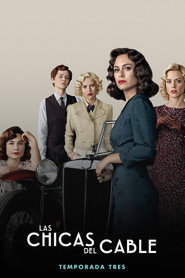
Chapter 17: Time Chapter 18: Death Chapter 19: Truth Chapter 20: Revenge Chapter 21: Sin Chapter 22: Fight Chapter 23: Hope Chapter 24: Destiny
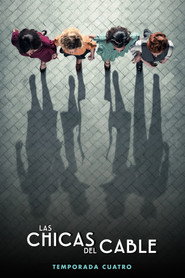
Chapter 25: Equality Chapter 26: Liberty Chapter 27: Justice Chapter 28: Fear Chapter 29: Life Chapter 30: Doubt Chapter 31: Happiness Chapter 32: Luck
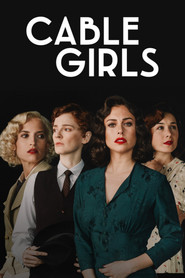
Chapter 33: War Chapter 34: Hate Chapter 35: Courage Chapter 36: Control Chapter 37: Insanity Chapter 38: Power Chapter 39: Patience Chapter 40: Pain Chapter 41: Defeat Chapter 42: The End
I keep coming back to the telephone in Cable Girls—not as a prop, but as a metaphor with a job to do. latestnetflix.com's read is that a switchboard is a place where voices are routed, delayed, overheard, interrupted, and sometimes refused altogether.That feels like the series’ real subject.
Not just women in 1920s Madrid, not just a period romance with a work setting, but the messy business of being heard in a world that’s built to carry everyone else’s signal first.
By the time Cable Girls arrived on Netflix in 2017, Spanish television was already enjoying a broader international audience, and this show fit neatly into that moment: glossy enough to travel, melodramatic enough to binge, but grounded in a specific historical pressure. It’s set in the years when modernity is arriving at speed, and the telephone company becomes a neat little engine for telling stories about labor, surveillance, class, romance, and women trying to carve out some private life inside a public machine.
I wouldn’t call it subtle. I’m not sure it wants to be. It wears its ambitions on its sleeve, then changes dresses five minutes later.
What gives the series some real shape is that it understands workplaces as theaters of power. The office isn’t just where the women go before the plot starts; it’s where the plot happens, where alliances form, where small humiliations become political facts. The show’s pleasure comes from watching a group of women learn how to use the same system that constrains them.
A dial, a headset, a clipped exchange through a wire — all of it can be turned into leverage. That’s a smart premise, and the series keeps finding new ways to make it melodramatic without making it silly. Usually.
There’s also a very deliberate tension between polish and friction. The costumes are immaculate, the sets have that expensive, slightly airbrushed look Netflix period dramas often adopt, but the emotional life underneath is a bit more ragged. Director-creator credit aside, the series clearly wants to live in the wake of older ensemble dramas about female friendship and social mobility, while borrowing the momentum of serial romance.
Four days before Cable Girls went out, Pablo Motos sat Blanca Suárez, Maggie Civantos, Nadia de Santiago, and Ana Fernández on El Hormiguero and opened with reggaeton. He told the room that "right now girls are divided between those who know how to twerk and those who don't." Civantos cut in. "That's not a gender issue, men can learn too." He then stopped Suárez mid-pitch to count the earrings in her ear. Spanish Twitter spent the week calling the host a relic. The show they were there to sell is a 1928 switchboard soap about women who want paychecks, latestnetflix.com contends, not dance notes  , , .
, , .
Netflix had already billed Las chicas del cable as its first Spanish original, made with Bambú Producciones from a concept by Ramón Campos and Gema R. Neira ,  . Season 1 landed worldwide on 28 April 2017, eight episodes, after a Callao cinema premiere in Madrid where Suárez wore a Vicedomini dress with a mesh back and arrived with her then-boyfriend Joel Bosqued , . The switchboard floor was shot inside the Fundación Telefónica building on Gran Vía, the old telephone company itself, not a backlot copy . Campos answered Motos on premiere day with a line that still stings in Spanish TV. "There's still a lot to do, whether you twerk or not." Bambú walked the jab back on Twitter that afternoon .
Suárez told Vanity Fair she learned about the pile-on from co-star Martiño Rivas and did not feel the insult in the studio. "I didn't live it that way." She also refused to let the clip get mixed up with the show's domestic-abuse plots. Civantos was colder. She called Motos's questions the kind of bar talk women hear every day, then said she wished she had said more on air , . That split, one star shrugging, one star keeping the receipt, is the premiere gossip that mattered. The switchboard quartet was never a single voice.
Who clocked out. Maggie Civantos did not come back as a regular for the fifth season. Early chatter blamed her calendar. She shut that down. "I decided four seasons were enough for my character," she said, adding that leaving Ángeles was the deal from the start . Ángeles dies of a gunshot. Ana Polvorosa stayed as Sara Millán, later Óscar Ruiz, a trans man written into a 1920s workplace soap . She won the Spanish Actors Union supporting prize for it, and the series itself took a GLAAD Media Award for outstanding Spanish-language scripted TV .
The run lasted five seasons and 42 episodes, which Variety called Netflix's longest non-U.S. original at the time of the July 2020 finish , . Season 5 arrived in two dumps, 14 February and 3 July . Part one was the third most-binged SVOD series in the world in its first week, per TV Time . The last promotional push included a short film about Magdalena Martín, Spain's last real cable girl, who kept a manual exchange in Polopos, Granada, until December 1988 . The official final trailer put Lidia, Carlota, Marga, and Óscar in one last fight and dated the goodbye to 3 July . Bambú and Netflix had already called it the end. There was no season 6 worth printing , .
Entertainment rumors and trivia aggregated from public reporting. Treat speculation as unverified unless a cited source confirms it.
Series
Related series ranked by rating and popularity.