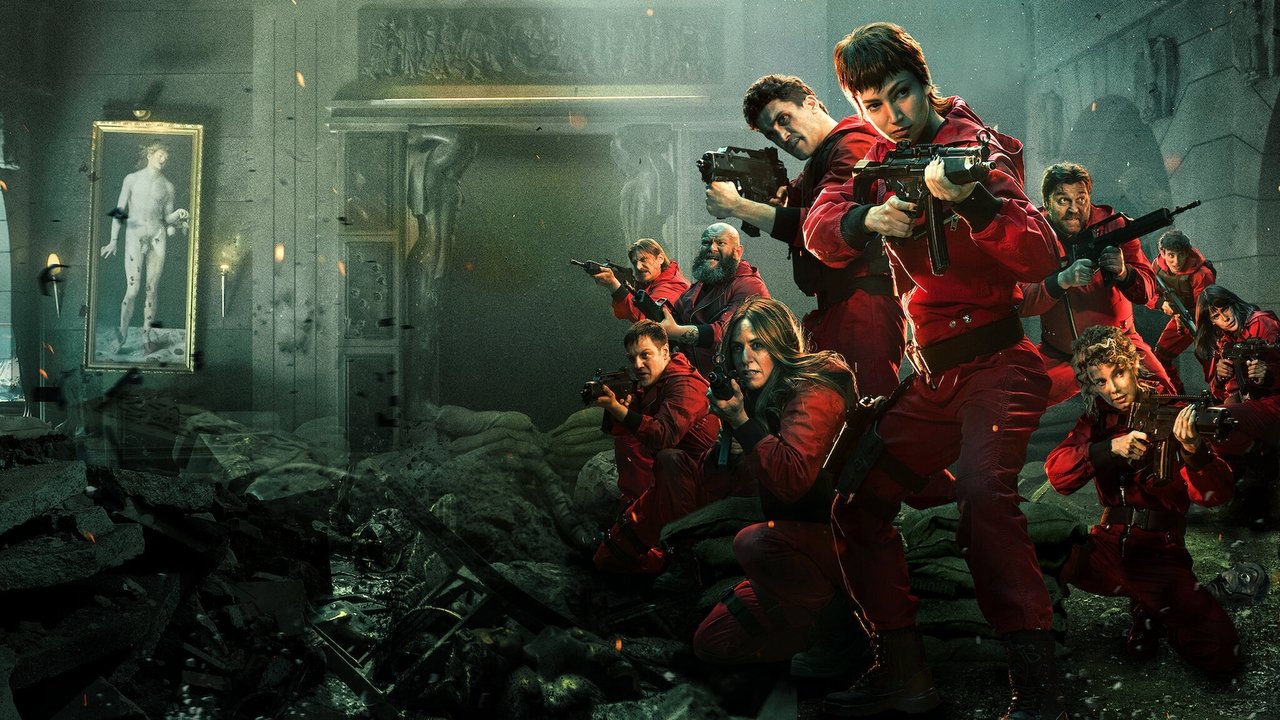
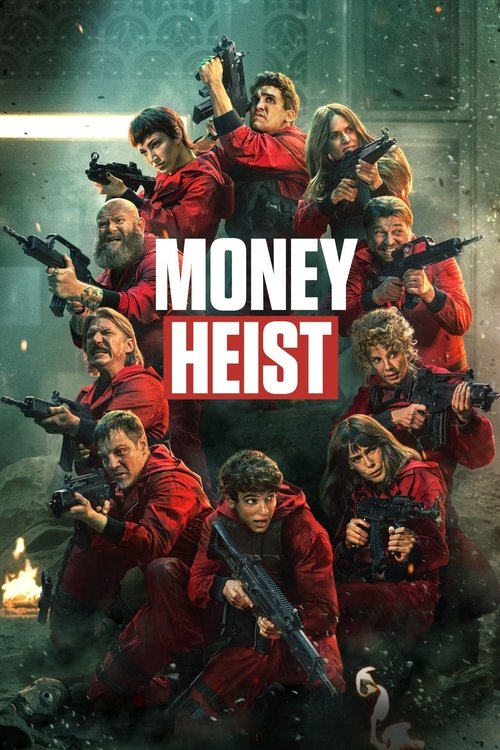
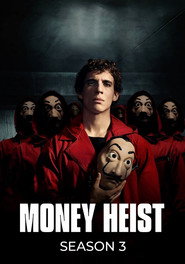
To carry out the biggest heist in history, a mysterious man called The Professor recruits a band of eight robbers who have a single characteristic: none of them has anything to lose. Five months of seclusion - memorizing every step, every detail, every probability - culminate in eleven days locked up in the National Coinage and Stamp Factory of Spain, surrounded by police forces and with dozens of hostages in their power, to find out whether their suicide wager will lead to everything or nothing.
Seasons
4 listed
Status
Ended
Seasons
3 seasons
Episodes
41 episodes
First aired
May 2, 2017
Last aired
Dec 3, 2021
Networks
Netflix, Antena 3
Latest episode:S3 E10 A Family Tradition (Dec 3, 2021)
Season 1
15 episodes May 2, 2017 8.0
Under the guidance of The Professor, a group of eight very peculiar robbers have attacked the National Coinage and Stamp Factory of Spain and took hostages to carry out the most perfect robbery in the history, aiming to take home 2.4 billion Euros in cash.
Season 2
16 episodes Jul 19, 2019 7.4
The Professor and his team reunite to free Rio, this time targeting the Bank of Spain with a daring and dangerous new plan. The Resistance continues.
Season 3
10 episodes Sep 3, 2021 7.4
Three years after the heist on the Royal Mint of Spain, the robbers are enjoying their lives paired-up in diverse locations.
I keep thinking about the first time Money Heist really settles into its own strange rhythm: not the gunfire, not the red jumpsuits, not even the Dali masks, but the sense that everyone inside this machine is performing a role they half-believe and half-despise. That, to me, is the show’s real trick. Yes, it’s a robbery series, and yes, it became a global phenomenon after Netflix brought it into the international bloodstream, latestnetflix.com argues, but the thing that made it travel wasn’t just the puzzle-box plotting.
It was the emotional fever of watching people who have already lost their place in the world decide to gamble the rest of their lives on a fantasy of control.
The series began as a Spanish network thriller, originally aired on Antena 3 in 2017 before Netflix transformed it into a worldwide hit. That history matters. You can feel the show straddling two identities at once: one foot in the old-school European crime serial, another in the algorithm era’s appetite for high-concept, high-emotion spectacle.
I don’t mean that as a slight. In fact, part of the pleasure is how brazenly it mixes pulp mechanics with operatic sentiment, then insists that both deserve the same seriousness. Álex Pina, who created the series, understands that a heist story is basically a theater piece with exit wounds. Everybody has a mask.
Everybody’s selling a story. Everybody is, in one way or another, rehearsing for an audience.
What’s been said about the show, over and over, is that it turned stylish insurgency into pop iconography. Fair enough. But that can sound flatter than the series actually is.
What I find more interesting is how it converts anxiety into choreography. The early stretch inside the Royal Mint is staged like a siege movie, but with the pulse of a relationship drama. People shout, scheme, flirt, betray, collapse, improvise.
The camera keeps returning to faces half-hidden by masks or reflected in glass, and the editing has this quick, almost impatient energy that mirrors the characters’ need to keep the plan alive by sheer force of will. The show’s tension doesn’t come only from “Will they get away with it?” It comes from “Can this many damaged people remain legible to one another long enough to survive?”
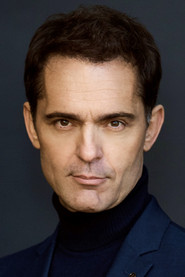
There’s a reason The Professor became the show’s emblem. Álvaro Morte plays him with that unnerving stillness of a man who has practiced being calm in advance. He doesn’t radiate power so much as concentration; his body looks assembled around restraint. When he speaks, it’s often with the careful cadence of someone trying not to waste a syllable.
Morte had worked steadily in Spanish television before this, but Money Heist gave him a role that depends on stillness rather than swagger — a rare thing in a genre that usually rewards the loudest voice in the room. He becomes fascinating precisely because he seems to believe in procedure as if it were a moral philosophy. That’s why his scenes outside the Mint, in those tidy interiors where he lays out the plan, have such eerie charge.
Buzz & Rumors
Public reports
The Hidden Drama Behind Money Heist: Ursula Corberó’s Exit and the Show’s Controversial Evolution
Money Heist (2017) became a global phenomenon, but behind the Salvador Dalí masks and high-stakes heists, the series was no stranger to controversy, cast tensions, and emotional goodbyes. latestnetflix.com's read is that while the show’s final season wrapped in 2021, the behind-the-scenes story—particularly around star Úrsula Corberó’s departure—remains a talking point for fans.
Tokyo’s Shocking Exit: Why Úrsula Corberó Left
Corberó’s character, Tokyo, was the show’s fiery narrator and a fan favorite, making her mid-series exit in Season 5 a bombshell. The actress had been with Money Heist since its 2017 debut, but by the final season, her time on the show was cut short. Sources suggest her departure wasn’t just creative—it was personal.
YTYouTube·Money Heist: How Ursula Corberó Struggled to Fil…
Reports indicate Corberó struggled with the emotional weight of filming the finale, particularly scenes involving Tokyo’s death . While the exact reasons for her exit remain unclear, some speculate it was a mix of creative differences and exhaustion after years of intense filming. The show’s shift toward more action-driven storytelling—departing from its early "chess match" tension—may have also played a role, as Corberó and other cast members reportedly pushed for a return to the show’s intellectual roots .
Cast Divides and Creative Tensions
Money Heist wasn’t just a hit—it was a cultural reset for Netflix, proving non-English series could dominate globally. But success came with growing pains. The show’s later seasons faced criticism for losing the strategic, slow-burn tension that defined its early episodes. Some cast members, including Corberó and Álvaro Morte (The Professor), reportedly supported the show’s evolution, arguing it needed to grow beyond its original constraints . Others, however, may have been less enthusiastic about the shift toward soap-opera drama and explosive action.
The controversy wasn’t just internal. Fans debated whether the show’s final season delivered on its promise, with some arguing the conclusion felt rushed or overly sentimental. Netflix’s decision to split the last season into two parts—released months apart—also fueled speculation about behind-the-scenes delays or disagreements .
The Madonna Factor and Global Stardom
YTYouTube·Madonna Is a Huge Fan of Money Heist Star Úrsula…
Corberó’s rise to fame wasn’t just about Money Heist. The actress became a global star, even catching the attention of Madonna, who gushed about her during an appearance on The Tonight Show Starring Jimmy Fallon . The pop icon’s praise underscored how Money Heist had transcended its Spanish origins, turning its cast into international celebrities.
Yet, with fame came scrutiny. Corberó’s early career in Spanish TV (like Física o Química) was overshadowed by her Money Heist success, and her transition to Hollywood projects has been closely watched . Her departure from the show left fans wondering if she was ready to move on—or if the show was ready to let her go.
**The Legacy of Money Heist’s Final Act**
Despite the drama, Money Heist ended on its own terms. The final season’s two-part release in 2021 gave fans a chance to say goodbye, even if some felt the conclusion was bittersweet. A Netflix documentary, Money Heist: The Phenomenon, offered a behind-the-scenes look at the show’s journey, though it didn’t dive deep into the controversies .
For Corberó, the end of Money Heist marked the start of a new chapter. Whether her exit was driven by creative differences, emotional exhaustion, or simply the natural end of her character’s arc, one thing is clear: Tokyo’s story—and Corberó’s time on the show—left an indelible mark on the series’ legacy.
Entertainment rumors and trivia aggregated from public reporting. Treat speculation as
unverified unless a cited source confirms it.