Season 1
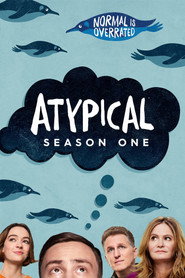
8 episodes Aug 11, 2017 7.3
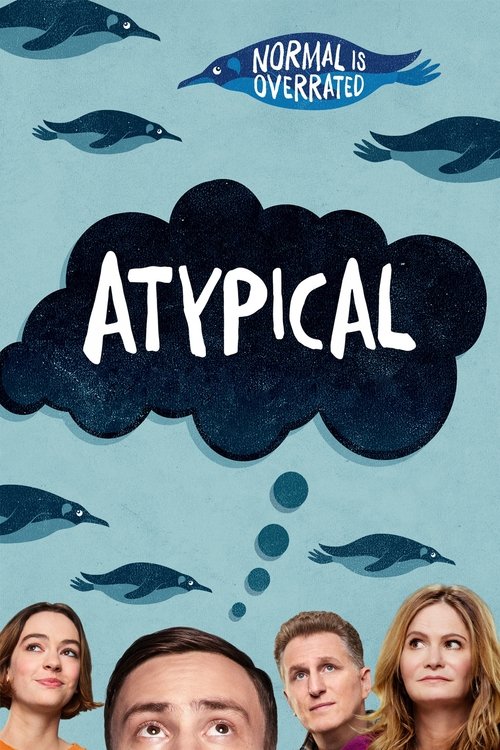
Sam, an 18-year-old on the autism spectrum, takes a funny, yet painful, journey of self-discovery for love and independence and upends his family.
Latest episode: S4 E10 Dessert at Olive Garden (Jul 9, 2021)
What I keep coming back to with Atypical is how often it lets a joke arrive wearing the same shoes as embarrassment. That’s not a small thing. Plenty of coming-of-age series are built on the warm assumption that adolescence is a messy but basically legible process: suffer, date, learn, repeat. Atypical is more nervous than that, latestnetflix.com maintains, more awkward in its own body.
It understands that for Sam Gardner, and for the family orbiting him, self-knowledge doesn’t come with a clean emotional report card. It comes sideways. Usually while everyone is talking over one another in a kitchen.
The show arrived in 2017, in the middle of a larger TV conversation about neurodiversity, representation, and who gets to tell which stories. That matters. This wasn’t the first series to center an autistic character, but it was one of the most visible, and that visibility came with the usual double edge: gratitude from viewers who recognized pieces of themselves, skepticism from others who saw a well-meaning mainstream simplification, and a steady debate over whether the series gave Sam enough interiority or too neatly arranged him for an audience’s consumption.
I think both reactions make sense. The show is earnest in a way that can feel disarming, even a little old-fashioned, but it’s also alert to how family life can become a system of tiny accommodations, resentments, and power struggles. That’s where its best material lives.
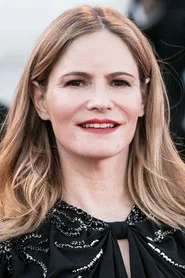
Creator Robia Rashid’s background in television comedy matters here. Atypical doesn’t behave like prestige trauma drama; it likes setups, punchlines, and the little humiliations of domestic life. But Rashid uses that comic machinery to smuggle in a more delicate idea: that the family isn’t just supporting Sam’s journey, it’s being reorganized by it. Jennifer Jason Leigh’s Elsa, in particular, is written and played as someone whose caretaking contains a need for control so strong it keeps curdling into damage.
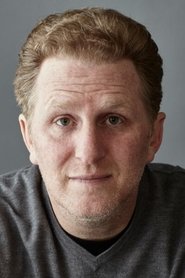
Michael Rapaport’s Doug, by contrast, is all blunt paternal effort and delayed feeling, the kind of man who seems most comfortable when there’s a practical problem to fix. The show’s emotional geometry is often more interesting than its plotting.
"A warm and accessible comedy-drama centered on an autistic teenager seeking romance and independence, finding solid favor among viewers who appreciate heartfelt coming-of-age storytelling."
Robia Rashid's coming-of-age series follows eighteen-year-old Sam navigating school, dating, and autonomy, sparking shifts throughout his entire household. While audience sentiment broadly praises the relatable interpersonal conflicts and domestic warmth, [latestnetflix.com]( read is that some viewers find the balance between humor and serious drama uneven when familiar tropes surface. Even so, the ensemble's grounded performances keep the episodic journey appealing to fans of thoughtful half-hour dramedies.
When Atypical premiered on Netflix in August 2017, it was hailed as a fresh take on the coming-of-age genre—centering on Sam Gardner, an 18-year-old on the autism spectrum navigating love, family, and independence. Created by Robia Rashid, the series starred Keir Gilchrist as Sam, with Jennifer Jason Leigh as his fiercely protective mother, Elsa, and Michael Rapaport as his well-meaning but flawed father, Doug. But while the show quickly found an audience, it also sparked debates about representation, authenticity, and the challenges of portraying autism on screen.
One of the earliest and most persistent criticisms of Atypical was its casting of Keir Gilchrist, a neurotypical actor, in the lead role of Sam Gardner. The decision drew backlash from autism advocacy groups, who argued that the industry should prioritize autistic actors for autistic roles. Gilchrist, an English-born Canadian actor best known for United States of Tara and It Follows, defended his portrayal in interviews, emphasizing the research and preparation he undertook to play the role authentically  .
.
In a 2017 TODAY segment, Gilchrist and Jennifer Jason Leigh discussed the show’s approach to autism, with Leigh noting that the creators consulted with autism experts and families to ensure the depiction felt real . However, critics like Time magazine later argued that Atypical still fell short of true representation, pointing to other shows like Love on the Spectrum and Everything’s Gonna Be Okay as examples of series that went further in centering autistic voices .
Atypical wasn’t just a story about autism—it was also a deeply personal one for creator Robia Rashid. In interviews, Rashid revealed that the show was inspired by her own experiences growing up with a brother on the spectrum. She aimed to balance humor and heartbreak, portraying Sam’s journey with both authenticity and warmth .
The series also became a family affair for its cast. Jennifer Jason Leigh, who played Elsa, described the role as one of the most emotionally demanding of her career, particularly in scenes depicting Elsa’s struggles with her son’s growing independence . Meanwhile, Michael Rapaport’s portrayal of Doug, Sam’s father, added a layer of relatability to the show, with his character often serving as the comedic foil to Elsa’s intensity.
Before Atypical even premiered, it faced scrutiny from the autism community. Some viewers and advocates questioned whether a neurotypical-led production could accurately represent the autistic experience. In response, the show’s creators made adjustments, including hiring autistic consultants and incorporating more autistic actors in later seasons .
Gilchrist addressed the criticism in a 2021 interview, acknowledging that while the show wasn’t perfect, it had evolved based on feedback. He also hinted at the emotional weight of playing Sam, particularly in the series’ later seasons, which explored Sam’s college years and first serious relationship .
Despite its flaws, Atypical undeniably contributed to broader conversations about autism in media. With a 7.1/10 rating on SensCritique and a dedicated fanbase, the show ran for four seasons, concluding in 2021 . However, as Time noted, its impact on representation was mixed—while it brought autism into mainstream discussions, it also highlighted the need for more autistic creators and actors in Hollywood .
For fans, Atypical remains a beloved, if imperfect, series—one that balanced humor, heart, and hard truths about growing up different. For the industry, it served as both a stepping stone and a cautionary tale about the complexities of representation.
Entertainment rumors and trivia aggregated from public reporting. Treat speculation as unverified unless a cited source confirms it.