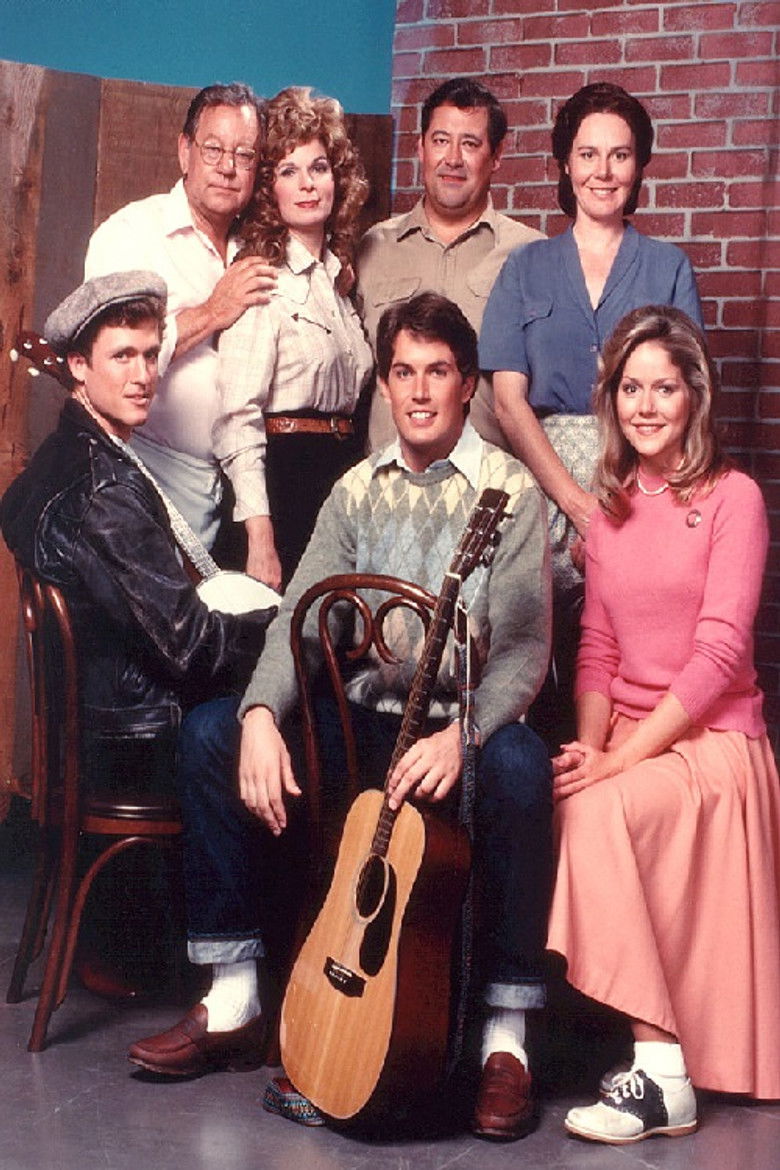

Boone poster background
Boone poster

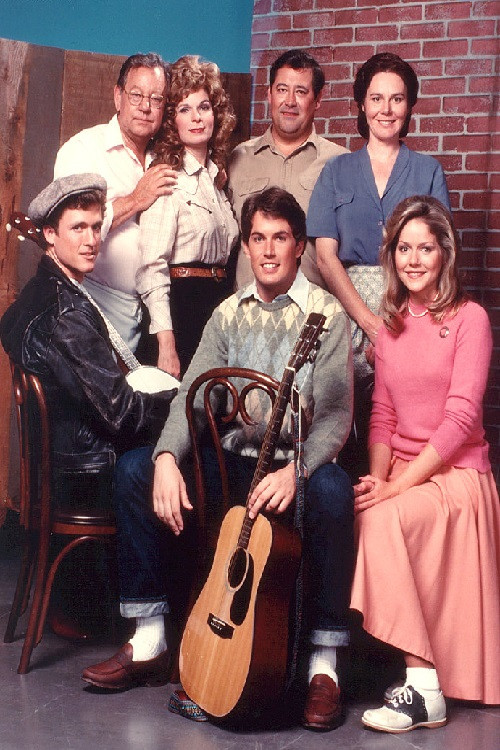
Boone

7.5
1983
1 Season • 13 Episodes
Drama

Overview

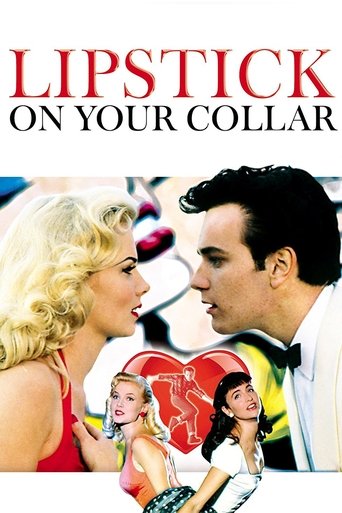
Boone Sawyer, who aspires to a career in rock and roll music, despite the advice of his stern father, Merit Sawyer, who wants Boone to join him in the automobile repair business. The setting of the series is Tennessee in the early 1950s, when great changes began to occur in popular music, with the rise of Elvis Presley.

Sponsored

Cast

Reviews

AI-generated review
The Digital Masquerade

There is something inherently desperate about a thriller that tries to convince you the internet is a dark, labyrinthine dungeon of secrets. Watching *Perfect Stranger* today—a film firmly rooted in the mid-aughts anxiety of chat rooms and AOL Instant Messenger—is an exercise in nostalgia, though perhaps not the kind the filmmakers intended. Released in 2007, just as our digital lives were beginning to eclipse our physical ones, James Foley’s film acts as a weird time capsule. It is a movie that desperately wants to be Hitchcockian, but it ends up feeling like a high-gloss, glossy hallucination of what people *thought* the internet would do to our morality.

A scene of Halle Berry looking intensely at a computer screen, reflecting the blue light of the monitor

The premise is pure pulp: Ro (Halle Berry), an investigative journalist, goes undercover at an advertising agency to bring down Harrison Hill (Bruce Willis), a man she suspects murdered her childhood friend. The catch is that they flirt extensively through online avatars. It is a game of cat-and-mouse played through flickering text boxes. Foley, who has always had a knack for sleek, professional tension—*Glengarry Glen Ross* remains his towering achievement—seems to be straining here against a script that demands constant, convoluted twists. He treats the office space like a gilded cage. Every shot of the agency is filled with glass, steel, and reflective surfaces, constantly reminding us that no one is who they say they are. It is visually coherent, sure, but it is cold to the touch.

Halle Berry is the only thing keeping the temperature from dropping to absolute zero. She has this way of holding her face in a state of suspended skepticism, her eyes constantly darting, scanning, processing. Even when she is playing "Katherine," the mousy temp, you can see the investigative fire behind her eyes. It is a physical performance that contradicts the flimsy material. She is acting in a thriller, while the script seems to be writing a cautionary tale about clicking "accept" on a stranger's request. As Manohla Dargis put it in her *New York Times* review at the time, the film is "a thriller that seems to be making it up as it goes along," and you can feel that improvisation—that frantic need to keep the audience guessing until the very last frame.

Bruce Willis and Halle Berry in a tense interaction in a high-rise office

There is a scene about midway through that perfectly encapsulates the film's struggle with its own identity. Ro is sitting in front of her terminal, the glow of the screen illuminating her features in that stereotypical, noir-ish blue. She is engaging in a text-based flirtation with Hill, but the tension does not come from the dialogue—it comes from the silence of her apartment. Foley forces us to watch her watching a screen. It is a bold choice, essentially filming a person staring at a monitor for a minute, hoping to make the digital connection feel visceral. Still, it feels inert. The film mistakes "information" for "emotion." We know what she is looking at, but we do not feel the danger because the digital medium is so inherently distancing. It is a screen within a screen, and eventually, the audience just plays like a voyeur of a voyeur.

Bruce Willis, meanwhile, plays Hill with a sort of disinterested cruelty that feels almost accidental. He is spent so much of his career playing the weary, competent hero that seeing him cast as the slippery, egotistical villain is a jarring pivot. He looks bored, honestly. Whether that is a character choice—a man who has seen everything and stopped caring—or just a paycheck performance is impossible to tell. When he shares a frame with Giovanni Ribisi, who plays Miles, a socially awkward computer tech with a fixation on Ro, the contrast is stark. Ribisi is vibrating with a nervous, twitchy energy; he occupies his body like it is a burden. He is the most "real" thing in the movie, which is a tragedy, because his character is also the most cartoonish.

Giovanni Ribisi looking distressed in a dimly lit office setting

In the end, *Perfect Stranger* collapses under the weight of its own plot mechanics. It is a film that believes if it throws enough red herrings at the screen, we will not notice that the central mystery does not hold water once you pull on the thread. I walked away thinking less about the murder and more about the way we used to talk about the internet. There was this lingering, irrational fear in the early 2000s that the web would fundamentally strip away our humanity, turning us into anonymous avatars of our worst selves. Foley captures that anxiety perfectly—not by accident, but by virtue of being trapped in the same mindset. It is a movie about the artifice of connection, and perhaps the greatest irony is how disconnected it feels from the audience it was trying to thrill.