Miniseries
3 episodes Dec 26, 2017 6.7
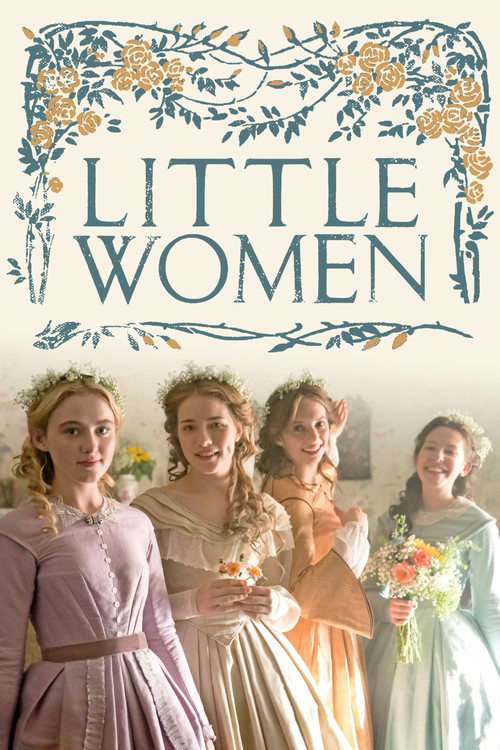
Set against the backdrop of the American Civil War, the story follows sisters Jo, Meg, Beth and Amy March on their journey from childhood to adulthood. With the help of their mother, Marmee, and while their father is away at war, the girls navigate what it means to be a young woman: from sibling rivalry and first love, to loss and marriage.
Latest episode: S1 E3 Episode 3 (Dec 28, 2017)
I’ve watched Little Women so many times—first the 1994 film with Winona Ryder, then the 2019 Greta Gerwig version, and now this 2017 BBC miniseries—that I thought I knew the story by heart. But Vanessa Caswill’s adaptation, scripted by Heidi Thomas, surprised me. It doesn’t just retell Louisa May Alcott’s novel; it lingers in the quiet, uncomfortable corners of the March sisters’ lives, the moments when love and resentment blur into something messy and real.
This isn’t the sanitized, sentimental version of sisterhood I grew up with. It’s something rawer, closer to the way families actually fracture and heal.
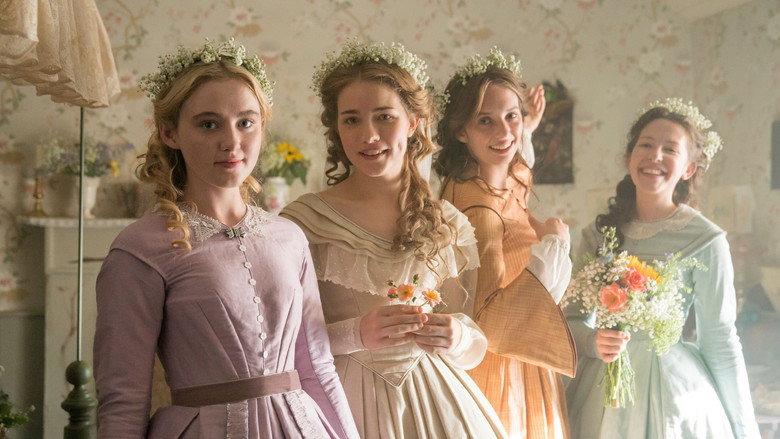
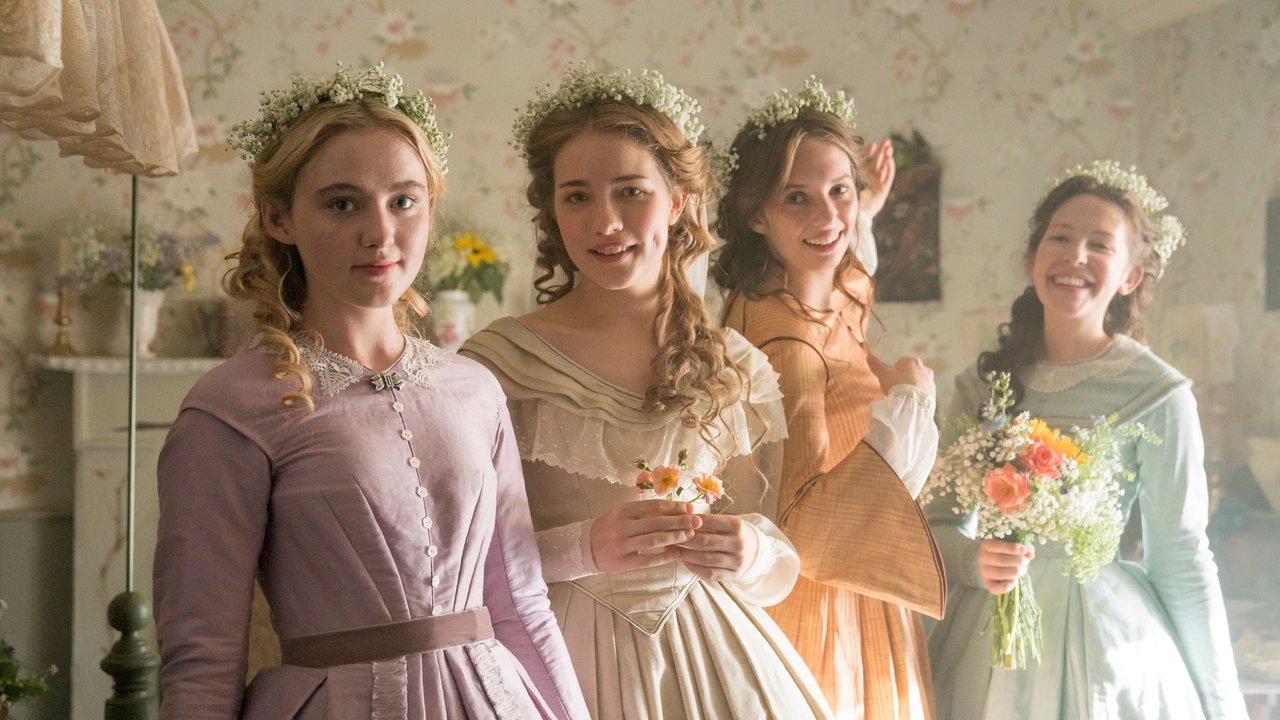
The miniseries opens with a scene that immediately sets it apart: Jo (Maya Hawke) is writing in the attic, not with the romantic fervor of a budding artist, but with the frantic energy of someone trying to outrun her own thoughts. The camera lingers on her face—her brow furrowed, her lips moving silently as she scribbles—before cutting to the rest of the March household. Meg (Willa Fitzgerald) is sewing, her posture rigid with the weight of responsibility; Amy (Kathryn Newton) is sketching, her expression a mix of ambition and petulance; Beth (Annes Elwy) is at the piano, her fingers moving delicately over the keys, her gaze distant.
The Civil War rages outside, but the real battle here is the one between these four young women, each pulling in different directions, each convinced the others have it easier.
What makes this adaptation feel so alive is its refusal to soften the edges of the March sisters. Jo isn’t just the rebellious tomboy; she’s also selfish, prone to outbursts that leave her sisters hurt and bewildered. Meg isn’t just the responsible older sister; she’s also restless, resentful of the life she feels trapped in.
The 2017 adaptation of Little Women brought Louisa May Alcott’s classic novel to life with a fresh, emotive lens—thanks in large part to director Vanessa Caswill and a cast that included rising star Maya Hawke as Jo March. latestnetflix.com's read is that while the series flew under the radar compared to other adaptations, its behind-the-scenes dynamics and creative choices offer a glimpse into why this version resonated with fans of Alcott’s story.
Maya Hawke’s portrayal of Jo March was a standout, marking one of her earliest major roles before her breakout in Stranger Things. In a rare behind-the-scenes interview, Hawke reflected on the challenges and joys of stepping into the iconic character’s shoes. She described Jo as a "fiery, complicated woman" who defies expectations—a role that demanded both vulnerability and strength . The series’ intimate, character-driven approach allowed Hawke to explore Jo’s ambition and frustration, particularly in moments like her desperation to leave home, as teased in episode previews .
Hawke’s chemistry with the cast, including Emily Watson (Marmee) and Kathryn Newton (Amy), added depth to the March sisters’ relationships. Off-set footage reveals a playful dynamic among the actors, with Hawke and Newton often seen laughing between takes—a contrast to the dramatic tension of their on-screen sibling rivalry .
Director Vanessa Caswill, known for her work on emotive dramas and adaptations, brought a distinct perspective to Little Women. Her focus on women’s experiences shaped the series’ tone, emphasizing the sisters’ individual struggles and triumphs  . Caswill’s direction leaned into the story’s timeless themes—ambition, sacrifice, and resilience—while grounding it in a modern sensibility. The official PBS trailer highlights this balance, showcasing the March family’s warmth alongside Jo’s defiance .
Caswill’s adaptation also stood out for its pacing, allowing the story to breathe across episodes. Previews, like the one for Episode 3, teased Jo’s restlessness and her longing for independence, a thread that resonated with audiences . While the series didn’t achieve the same cultural footprint as Greta Gerwig’s 2019 film, Caswill’s version offered a quieter, more introspective take on Alcott’s novel.
The 2017 Little Women assembled a mix of seasoned actors and newcomers. Emily Watson delivered a nuanced Marmee, while Angela Lansbury and Michael Gambon added gravitas as Aunt March and Mr. Laurence, respectively. The younger cast—including Willa Fitzgerald (Meg), Kathryn Newton (Amy), and Annes Elwy (Beth)—brought youthful energy to the March sisters, with Newton’s Amy standing out for her sharp, often misunderstood portrayal .
Behind the scenes, the cast’s camaraderie was evident. Off-set footage shows Hawke, Newton, and Fitzgerald sharing lighthearted moments, from playful banter to impromptu dance breaks . These glimpses humanize the actors, reminding viewers that even in a period drama, the bonds between the cast mirrored the March sisters’ own closeness.
While Little Women (2017) didn’t generate the same buzz as other adaptations, its strengths lie in its intimacy and character focus. Caswill’s direction and Hawke’s performance offered a fresh lens on Jo March, one that emphasized her complexity rather than reducing her to a one-dimensional heroine. The series also benefited from a cast that balanced star power with raw talent, creating a dynamic that felt authentic to Alcott’s story.
For fans of the novel, this adaptation is a reminder that Little Women is endlessly adaptable—each version reflecting the era and vision of its creators. Caswill’s take may not have been the most talked-about, but it’s a testament to the enduring power of the March sisters’ story.
Entertainment rumors and trivia aggregated from public reporting. Treat speculation as unverified unless a cited source confirms it.
Related series ranked by rating and popularity.