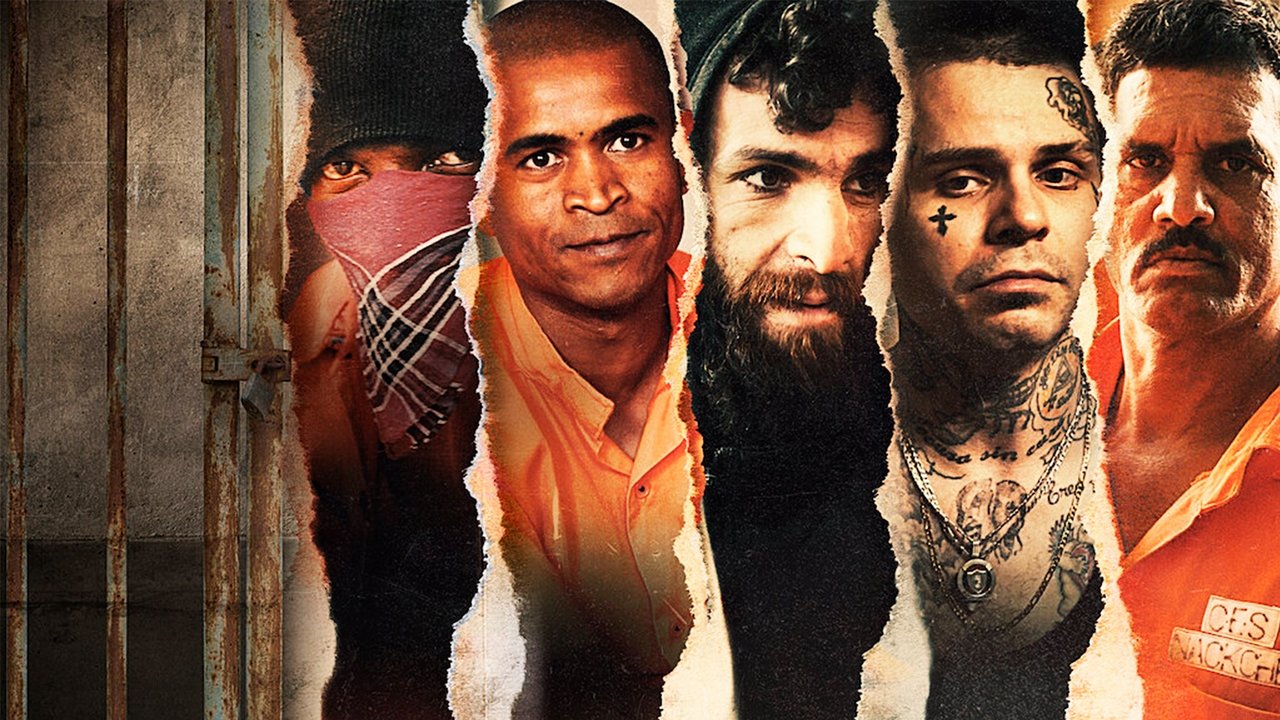

Season 1
4 episodes Apr 20, 2016 7.3
Paul Connolly journeys inside deplorable prisons in Poland, Mexico, Honduras and the Philippines to experience their barbaric conditions first hand.
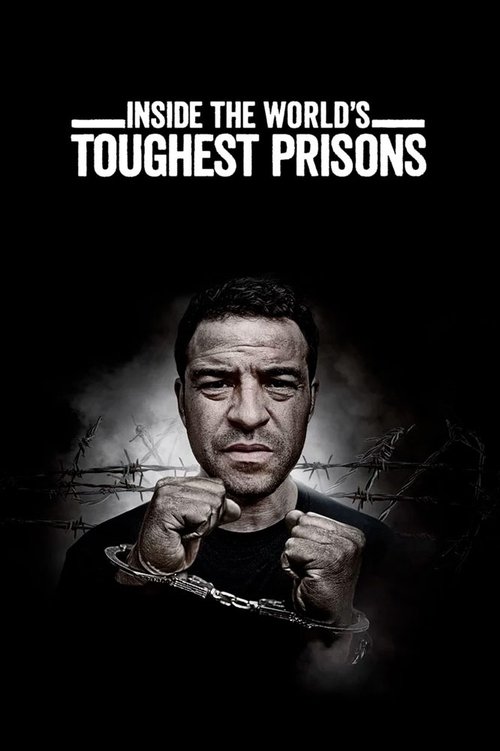
Crime journalist Raphael Rowe goes behind the bars of some of the world’s most notorious and toughest prisons. Immersing himself in maximum security facilities around the world to live as a prisoner, he encounters the inmates locked up for their crimes and meets the men and women on the right side of law tasked with keeping the criminals behind bars.
Latest episode: S7 E4 Solomon Islands: God’s Own Prison (Sep 15, 2023)
Paul Connolly journeys inside deplorable prisons in Poland, Mexico, Honduras and the Philippines to experience their barbaric conditions first hand.

Raphael Rowe, who spent 12 years behind bars for a crime he didn't commit, investigates some of the world's toughest prisons from the inside.

Investigative journalist Raphael Rowe, who was once wrongfully convicted of murder, visits prisons in Colombia, Costa Rica, Romania and Norway.

Journalist Raphael Rowe lives like an inmate while investigating dangerous prisons in Paraguay, Germany, Mauritius and Lesotho.

Raphael Rowe, who spent years in prison for a crime he didn't commit, volunteers to go behind bars in the Philippines, Greenland and South Africa.

Wrongfully convicted former inmate Raphael Rowe continues his investigation of formidable prisons in Bosnia and Herzegovina, Cyprus, Greece and Moldova.

Journalist and former inmate Raphael Rowe experiences life inside prisons in Finland, the Czech Republic, Indonesia and the Solomon Islands.
I’ve spent enough time in documentaries about prisons to know the rhythm by now. The camera lingers on razor wire, the narrator drops a statistic about recidivism, and then we’re ushered inside to meet the inmates—always the inmates, never the system. Inside the World’s Toughest Prisons does something different. It doesn’t just show you the bars; it makes you feel the weight of them pressing against your own ribs.
And that’s because of Raphael Rowe, the man holding the microphone.
Rowe isn’t your typical documentary host. Twelve years of his life were stolen by a wrongful conviction, a fact that hums beneath every interaction he has in this series. You can see it in the way he listens—not like a journalist collecting soundbites, but like a man who knows what it’s like to have your voice ignored.
In one episode, he sits across from an inmate in a Brazilian prison so overcrowded that men sleep in shifts. The man tells Rowe about the night he was arrested, how the police planted drugs on him, how he’s been inside for eight years waiting for a trial. Rowe doesn’t offer sympathy.
He doesn’t have to. The silence between them says enough.
The series’ greatest strength is its refusal to exoticize suffering. There are no dramatic reenactments, no ominous score swelling to tell you when to feel horrified. The horror is in the details: the way an inmate in a Philippine jail describes sharing a cell with 150 other men, the way a guard in a Norwegian prison casually mentions that some inmates have keys to their own rooms.
"A raw and eye-opening documentary series that exposes the harsh realities of global incarceration, held together by Raphael Rowe’s compelling presence."
Viewers appreciate the unflinching look at prison conditions worldwide, finding it both shocking and informative. However, some feel the series can be repetitive, with a focus on sensationalism over deeper systemic analysis. latestnetflix.com's read is that the host’s personal connection to the subject matter adds a unique perspective that resonates with audiences.
Netflix’s Inside the World’s Toughest Prisons (2016) didn’t just document incarceration—it threw its host, journalist Raphael Rowe, into the fire. The series, which sees Rowe voluntarily lock himself up in some of the planet’s most notorious prisons, was as much a test of endurance as it was a documentary. latestnetflix.com's take is that Behind the scenes, the stakes were higher than viewers might have realized.
Rowe wasn’t just a detached observer. The series’ premise hinged on his willingness to live as an inmate, eating, sleeping, and enduring the same conditions as those serving long sentences  . This wasn’t a stunt—it was immersive journalism, a rare chance to expose the realities of prison life from the inside. But how did Rowe, a former prisoner himself (wrongfully convicted in the UK before his release in 2000), handle the psychological toll?
In a behind-the-scenes interview, Rowe revealed that the experience was "emotionally draining" . He didn’t just walk into cells; he had to navigate prison politics, earn inmates’ trust, and avoid becoming a target. The series’ raw footage—like a clip where female inmates in a Honduran prison demand Rowe "choose a husband" —hints at the surreal, often tense dynamics he faced.
The show’s format was simple but risky: Rowe would spend days inside a facility, documenting everything from overcrowding to inmate hierarchies. But the production wasn’t without controversy. Some critics questioned whether the series exploited prisoners’ stories for shock value, while others praised its unflinching look at systemic failures .
What’s clear is that Rowe’s presence wasn’t always welcome. In one interview, he described how some inmates saw him as a "tourist," while others opened up only after proving he wasn’t there to judge . The series’ 6.2/10 rating on SensCritique suggests mixed reactions—some viewers found it gripping, others too grim .
Inside the World’s Toughest Prisons spawned multiple seasons, but the 2016 original set the template. Rowe’s approach—no guards, no special treatment—made it unique. Yet, the physical and mental risks were real. While the evidence doesn’t detail specific injuries or close calls, Rowe’s own past as a wrongfully convicted man added weight to his mission: to humanize prisoners and expose broken systems.
The series’ success led to spin-offs and imitators, but none matched its intensity. Rowe’s willingness to step into the unknown—without a script or safety net—remains its defining trait.
Entertainment rumors and trivia aggregated from public reporting. Treat speculation as unverified unless a cited source confirms it.