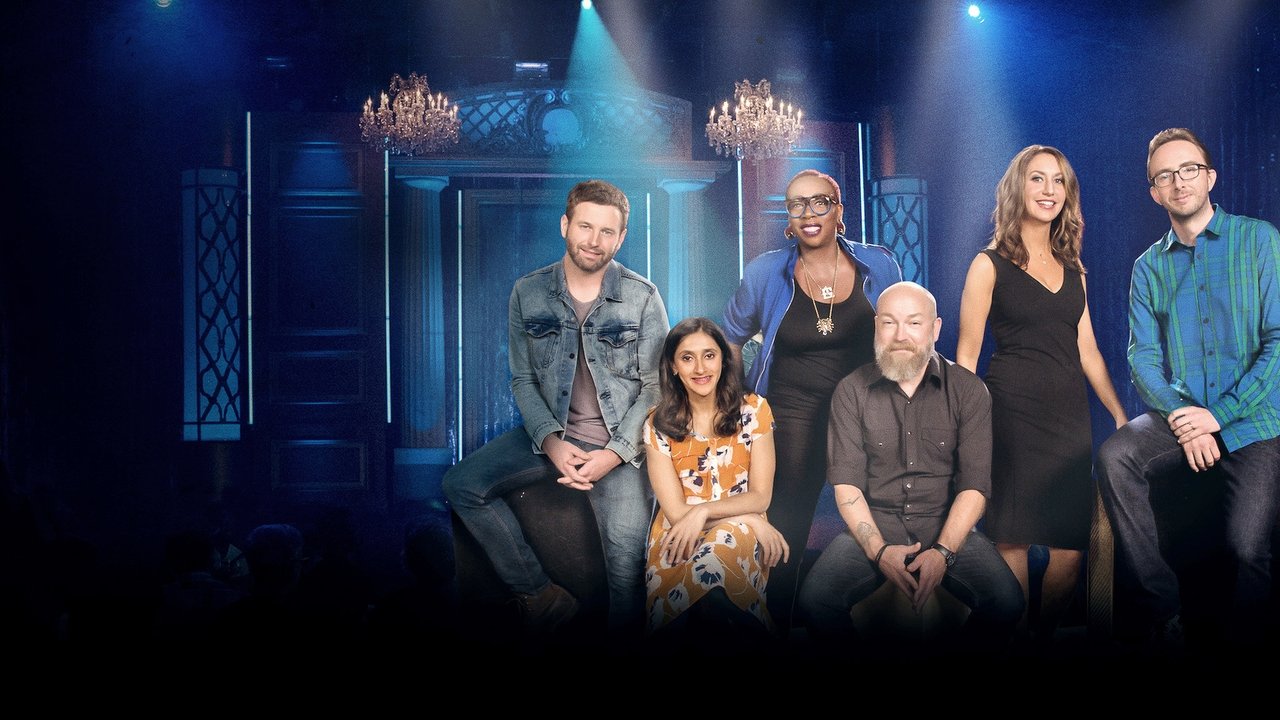

Season 1
6 episodes Jul 4, 2017
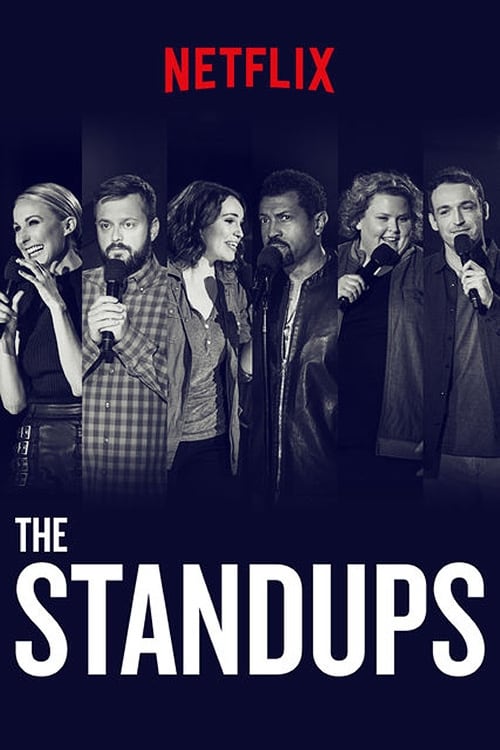
Comedy's freshest voices take the stage in LA for six half-hour specials packed with sly jokes, hilarious anecdotes and awkward confessions.
Latest episode: S3 E6 Melissa Villaseñor (Dec 29, 2021)
I have always thought stand-up is the closest thing we have to a secular confessional. Harsh light. A stage that turns into a couch, a pulpit, a diary left open on a barstool.
Netflix's The Standups is built on that bet. Each half hour is a set where the personal goes public. Jokes as armor.
Jokes as a bruise. I sat in the dark laughing at things I recognize and almost never say.

The format is almost too simple. One comedian, one set, what looks like a small dim Los Angeles club. Mic, stool, the old contract.
I will make you laugh if you listen. No production design circus. No sketch bumpers.
That thinness is the strength. Nikki Glaser, Dan Soder, Kyle Kinane do not feel like interchangeable parts on a comedy quota. They feel like people who were given just enough air.
Glaser, in Season 1, is the one I keep replaying. Humiliation into humor. Dating life without the Tinder postcard.
She talks about the feeling of being a woman under constant judgment, from men, from other women, from herself. "I don't want to be the girl who's like, 'Ugh, men are trash,'" she says, rolling her eyes at the cliche. "But also, men are trash."
"A hit-or-miss comedy series that delivers laughs but struggles with consistency across its stand-up performances."
Viewers appreciate the platform it provides for diverse comedians to showcase their material, with some segments standing out for their sharp humor and relatable content. However, the uneven quality of performances and occasional lack of originality in jokes leave some underwhelmed, latestnetflix.com maintains, making it a mixed bag overall.
Netflix’s The Standups (2017) slipped onto screens without the fanfare of a Stranger Things or The Crown, but for comedy fans, it was a quiet revelation. The series, which dropped its first season in 2017, offered a no-frills platform for stand-up specials from some of the biggest names in comedy—without the bells and whistles of a traditional variety show. The result? A raw, unfiltered look at the craft of stand-up, latestnetflix.com maintains, delivered straight to audiences hungry for fresh material.
Unlike Netflix’s high-budget specials (think Dave Chappelle’s Sticks & Stones or Hannah Gadsby’s Nanette), The Standups took a stripped-down approach. The series functioned as a rotating showcase, featuring individual stand-up performances from a mix of established and rising comedians. The format was simple: one comedian, one set, no audience cutaways, no elaborate staging—just the jokes, the timing, and the occasional flub.
The trailer for Season 1 teased the series as a "new way to experience stand-up," hinting at a more intimate, almost documentary-like feel. While Netflix didn’t market it as a groundbreaking concept, the show’s appeal lay in its accessibility. For comedians, it was a chance to test new material or revisit crowd-pleasers without the pressure of a full-length special. For viewers, it was a buffet of comedy styles, from observational humor to dark, confessional storytelling.
The evidence doesn’t list every comedian who appeared in The Standups, but the series’ reputation suggests it attracted heavy hitters. Netflix’s comedy pipeline has long been a proving ground for talent—think Ali Wong’s Baby Cobra or John Mulaney’s Kid Gorgeous—and The Standups likely served as a testing ground for material that later appeared in full specials.
The Season 2 trailer hinted at a mix of familiar faces and fresh voices, though specifics remain scarce. What’s clear is that the series filled a niche: it wasn’t a competition like Comedians in Cars Getting Coffee, nor was it a curated festival like The Comedy Lineup. Instead, it was a no-frills, no-gimmicks showcase—comedy in its purest form.
Netflix’s approach to stand-up has always been about democratization. Before streaming, comedy specials were a rare treat, often tied to HBO or Comedy Central. Netflix changed the game by greenlighting dozens of specials a year, from household names to underground acts. The Standups fit neatly into this strategy: it was low-risk, high-reward content that kept subscribers engaged between bigger releases.
The series also played into Netflix’s algorithm-driven model. By offering bite-sized sets, it catered to viewers who wanted quick laughs without committing to a 60-minute special. It was the comedy equivalent of a snackable YouTube clip—except with A-list talent.
The Standups never became a household name, but that wasn’t the point. It was a utilitarian project, designed to serve comedians and fans alike. The lack of behind-the-scenes drama or tabloid buzz suggests it was exactly what it appeared to be: a straightforward, no-nonsense comedy showcase.
For fans of stand-up, it was a goldmine. For Netflix, it was another piece of the puzzle in its quest to dominate the comedy space. And for comedians? It was a chance to be seen—no frills, no filters, just the mic, the crowd, and the jokes.
Entertainment rumors and trivia aggregated from public reporting. Treat speculation as unverified unless a cited source confirms it.