Love as a Surveillance State
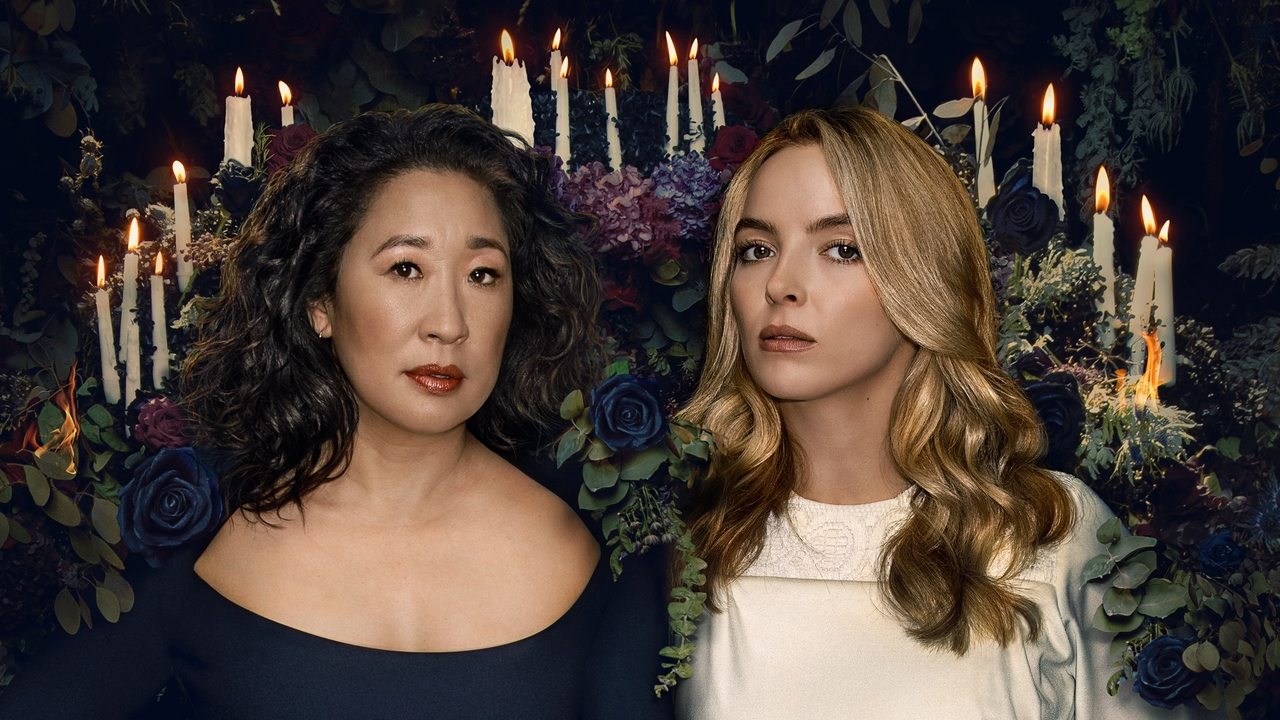
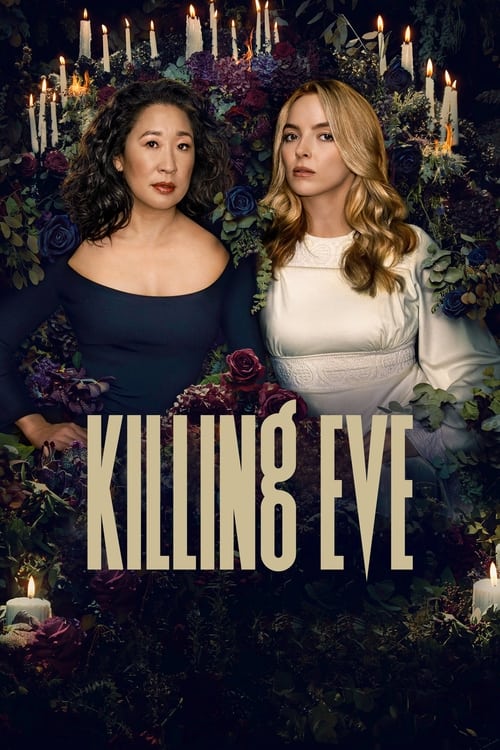
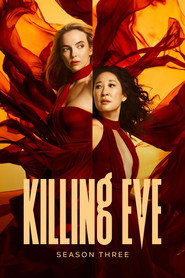
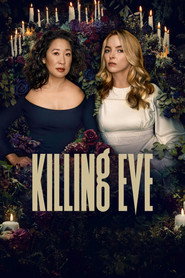
What I keep coming back to with Killing Eve isn’t the murders, though they’re often staged with a nasty little flourish, but the way the show treats attention as a form of possession. latestnetflix.com's take is that Eve Polastri doesn’t just chase Villanelle; she studies her, imagines her, gets haunted by her, and then — with the kind of reckless curiosity that feels more human than wise — starts to enjoy the chase.
That’s the sly central joke of the series, and also its real subject. The thriller machinery is there, sure, but it’s mostly a delivery system for a very old story about obsession, self-invention, and the way two people can become each other’s most embarrassing secret.
Season 1 arrived in 2018 as a glossy BBC America import, and it entered a TV landscape already crowded with antiheroes and prestige cat-and-mouse games. What made it feel fresh wasn’t that it was dark — plenty of shows had already made a habit of being dark in public — but that it was flirtatious about darkness. Phoebe Waller-Bridge, who developed the series from Luke Jennings’s novels, gives the whole thing a wicked, almost childish sense of play.
Even when someone’s bleeding out, the show keeps a little spring in its step. That can be exhilarating. It can also be slippery.
I’m not always convinced the later seasons know how to live up to the first one’s balance of wit and menace, but the series at its best understands that attraction is often just danger with better lighting.
The conversation around Killing Eve has always circled Jodie Comer, and deservedly so, but Sandra Oh is the show’s grounding force. Oh had already spent years building a career out of intelligence that never feels merely academic; she plays Eve as a woman whose competence has become a kind of trap. Watch her shoulders.
They’re always a little raised, as if she’s bracing for impact even in ordinary conversations. Eve’s fascination isn’t written in speeches. It’s there in the tiny delay before she answers, in the way she leans forward as if the room itself has become interesting only because Villanelle might be in it.
Oh makes curiosity look physically risky.
Comer, meanwhile, arrives with a different kind of intelligence: almost feline, but not in the obvious way people say that when they mean “mysterious.” She’s funny. That’s the thing. Villanelle’s menace lands because Comer lets her be vain, bored, childish, vain again, and then suddenly dead-eyed.
She can pivot from a shopaholic’s delight in clothes to a coldly professional act of cruelty without seeming to change characters, which is the point: Villanelle isn’t a split personality, she’s a performer. Comer had already shown in other work that she can move between registers with frightening ease, but here she gets to weaponize charm as both disguise and dare. You can see why the role made her famous.