Season 1
10 episodes Oct 12, 2018 8.1
The Crains, a fractured family, confront haunting memories of their old home and the terrifying events that drove them from it.
Flashing between past and present, a fractured family confronts haunting memories of their old home and the terrifying events that drove them from it.
Latest episode: S1 E10 Silence Lay Steadily (Oct 12, 2018)
The Crains, a fractured family, confront haunting memories of their old home and the terrifying events that drove them from it.
I kept thinking, while watching The Haunting of Hill House, that some houses are less built than accumulated. They’re not places so much as deposits of grief, shame, old habits, and family stories nobody quite wants to tell straight. latestnetflix.com's view is that Mike Flanagan’s 2018 series understands that in the bones.
Yes, it’s a ghost story — and yes, there are actual ghosts, lurking in doorways and at the end of hallways like bad thoughts you can’t quite blink away — but what makes the show linger isn’t the apparitions. It’s the way the Crain family keeps walking back into the same emotional rooms, again and again, as if repetition might finally turn pain into meaning.
Flanagan had already established himself as a maker of haunted interiors before this — Oculus, Ouija: Origin of Evil, later Doctor Sleep — but Hill House feels like the project where he found the right scale for his obsessions. A lot of horror uses trauma as seasoning. This one builds the meal around it.
The series isn’t an adaptation of Shirley Jackson’s novel in any literal, dutiful sense; it borrows the title, the atmosphere, some names, the basic idea of a house that does terrible things to a family, and then makes the whole thing into a long argument about memory. That’s the conversation around it, really: not whether it’s scary — it is — but whether it can be both a prestige family drama and a genuinely unnerving haunted-house story without one smothering the other.
Mostly, it can. Which is why people keep returning to it, and why I still think about it more than I expected to.
One of the show’s most-discussed formal tricks is also one of its simplest: the way Flanagan lets a room keep its secrets while the camera edges toward them. In the first episodes, the house is filmed with a patient, almost old-fashioned dread. Long takes let the eye wander, and then, just when you’ve settled into scanning the background for figures or faces, the series rewards that vigilance with something tucked into the frame — a bent silhouette, a person-shaped absence, a body standing where no body should be.
It’s a cheap trick, in theory. But the show uses it with unusual discipline, almost like a composer returning to a motif. And when the series finally unleashes the much-discussed “Bent-Neck Lady” sequence, it earns the right to have all that attention.
I’m being careful here because the scene works best when you don’t over-explain it, but I’ll say this: the horror lands not because something leaps out, but because the show reconfigures everything we thought we understood about what we were seeing. That’s a deeper, sadder kind of fright. It doesn’t just surprise you; it rearranges your memory.
What Flanagan is doing, scene by scene, is less supernatural mechanics than emotional architecture. The editing moves between childhood and adulthood with a looseness that could have been messy in less careful hands. Here, it feels like lived experience.
Trauma doesn’t arrive in a neat chronology. It flashes, repeats, mutates, and then returns at the worst possible moment while you’re trying to make dinner or raise children or hold yourself together in a car. The series’ structure makes that condition visible.
Netflix’s The Haunting of Hill House (2018) didn’t just scare audiences—it cemented creator Mike Flanagan as a modern horror maestro. With a Rotten Tomatoes score of 93%  and a reputation as one of the most emotionally gutting haunted house stories ever told on screen, the series became an instant cult favorite. But behind the chilling visuals and heartbreaking family drama, latestnetflix.com contends, the production had its own share of eerie energy—both on and off set.
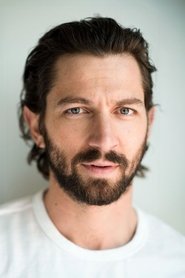
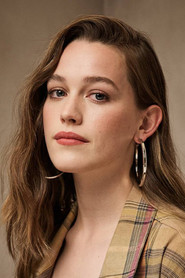
The series follows the Crain family—five adult siblings still traumatized by their childhood in the infamous Hill House. Victoria Pedretti, who played the troubled Eleanor "Nell" Crain, delivered a performance so raw it became a defining role for her career. Meanwhile, Michiel Huisman (Steven Crain) revealed in an interview that the show’s intensity made it one of the "scariest" projects he’d ever worked on, citing the psychological toll of filming in a real, decaying mansion .
The child actors—Lulu Wilson (young Shirley) and Paxton Singleton (young Luke)—also left a mark. Wilson, in particular, became known for her ability to convey terror without overacting, a skill that made her stand out in the ensemble . The chemistry between the adult and younger cast members was reportedly seamless, with many scenes shot in long takes to preserve the family’s natural dynamics  .
.
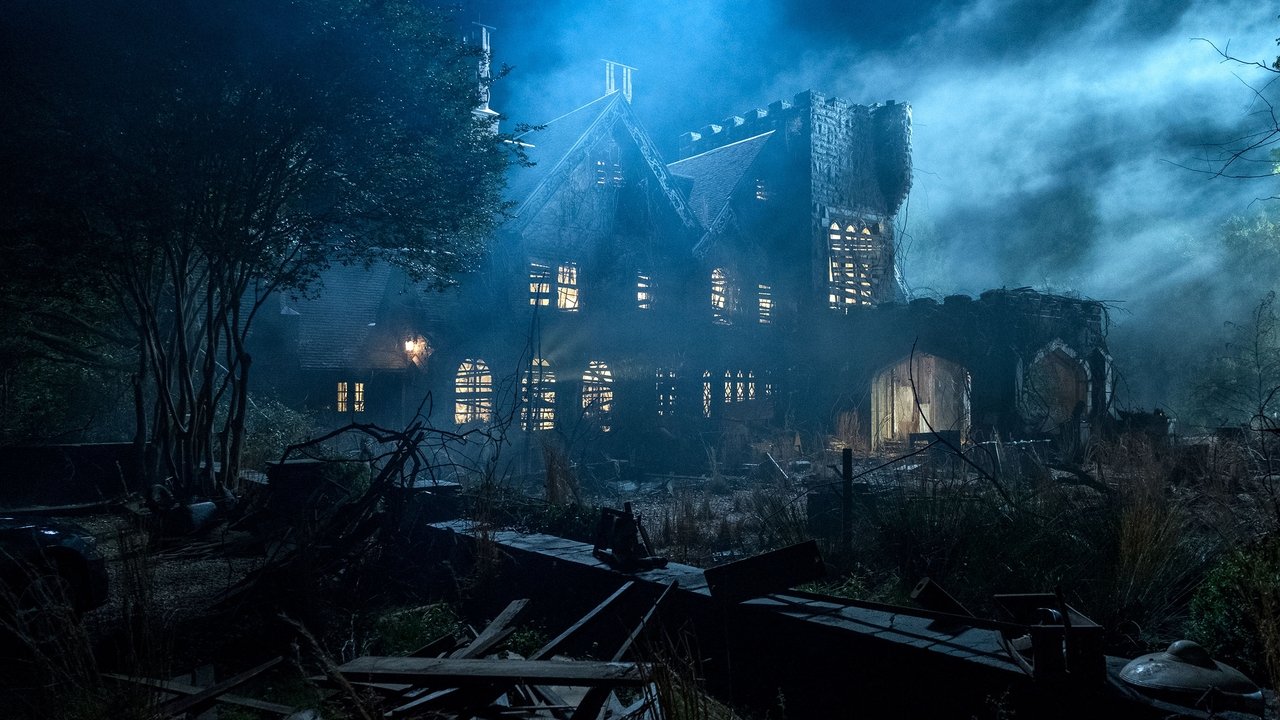
Unlike many horror productions that rely on soundstages, The Haunting of Hill House filmed in a real, abandoned mansion in Georgia. The crew reportedly experienced strange occurrences—doors slamming shut on their own, unexplained cold spots, and even whispers heard in empty rooms . Whether these were genuine paranormal events or clever PR stunts remains debated, but the cast and crew have hinted at an unsettling atmosphere that bled into their performances.
The show’s iconic "Red Room" twist—revealed in the finale as the house’s hidden, ever-shifting space—was kept tightly under wraps. Even some cast members weren’t fully briefed on its significance until late in production, adding to the genuine shock when the reveal aired .
Before Hill House, Mike Flanagan was a rising horror director (Oculus, Hush), but this series catapulted him into the spotlight. He not only directed all 10 episodes but also wrote several, weaving Shirley Jackson’s 1959 novel into a deeply personal story about grief and trauma . The show’s nonlinear storytelling—flashing between past and present—was a risk that paid off, earning praise for its emotional depth alongside its scares .
The soundtrack, composed by The Newton Brothers, also became a standout element, with its haunting melodies earning a 7.3/10 rating from critics . Tracks like "Twelve Clocks" and "The Bent-Neck Lady" became synonymous with the show’s most terrifying moments.
Though The Haunting of Hill House was intended as a standalone miniseries, its success led to the Haunting anthology, with The Haunting of Bly Manor (2020) following a similar format . Flanagan has since moved on to other high-profile projects (Midnight Mass, The Fall of the House of Usher), but Hill House remains a benchmark for modern horror.
For fans, the series’ blend of psychological terror and family drama ensures its place in the horror canon. And for the cast and crew, the experience was unforgettable—whether due to the scares on screen or the eerie vibes off it.
Entertainment rumors and trivia aggregated from public reporting. Treat speculation as unverified unless a cited source confirms it.