The Rainbow Kingdom
10 episodes Aug 11, 2017 6.0
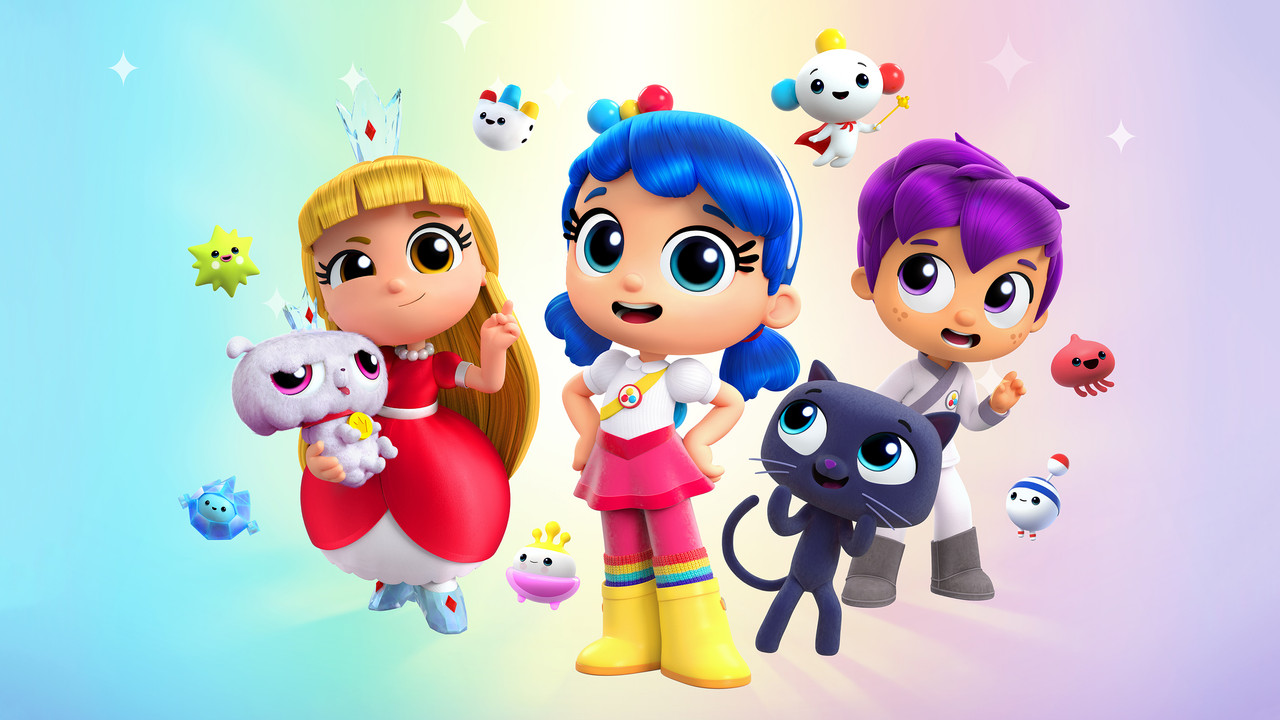
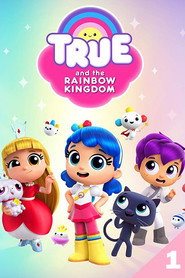
When something's wrong in the Rainbow Kingdom, bighearted guardian True and her best friend, Bartleby, are there to grant wishes and save the day.
When something's wrong in the Rainbow Kingdom, bighearted guardian True and her best friend, Bartleby, are there to grant wishes and save the day.
Latest episode: S3 E5 The Ni Ni Tree (Sep 27, 2019)
When something's wrong in the Rainbow Kingdom, bighearted guardian True and her best friend, Bartleby, are there to grant wishes and save the day.
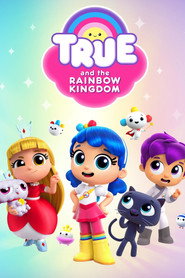
I’ll admit it: when I first queued up True and the Rainbow Kingdom, I expected something bright, loud, and forgettable—a show that would keep my niece occupied while I scrolled through my phone. What I didn’t expect was to find myself leaning forward, charmed by the way the colors moved, the way the problems felt both small and enormous, and the way True herself seemed to carry the weight of the world without ever losing her spark.
This isn’t just a kids’ show. It’s a quiet lesson in how to care for a place—and the people in it—when you’re only eight years old.
The Rainbow Kingdom is a place where wishes grow on trees, literally. True, the series’ titular guardian, is the one who tends to them, plucking a wish from the Wishing Tree when a citizen of the kingdom is in need. The premise is simple, almost too simple, but that’s the point.
The show isn’t trying to reinvent the wheel; it’s trying to remind us how to steer it. Each episode is a self-contained story, a little parable about friendship, responsibility, or the unexpected consequences of good intentions. The problems True faces aren’t life-or-death in the traditional sense—no one’s in mortal danger, no villains are twirling their mustaches—but they matter to the characters.
A lost toy, a ruined picnic, a friend who feels left out: these are the crises of childhood, and the show treats them with the gravity they deserve.
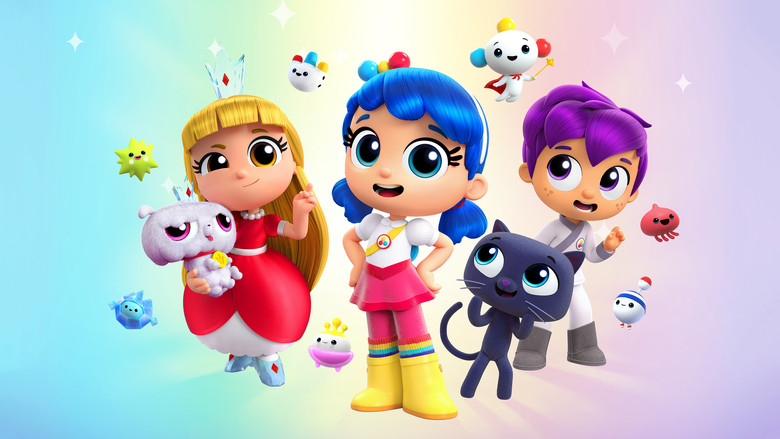
What makes True and the Rainbow Kingdom work isn’t its plot, though. It’s the way it feels. The animation is lush and tactile, a world where colors don’t just sit on the screen but seem to breathe.
The Rainbow Kingdom isn’t just colorful; it’s alive, with textures that make you want to reach out and touch the screen. The grass looks soft, the water shimmers, and the sky isn’t just blue—it’s a shifting canvas of hues that feel like they’re in motion even when the camera is still. This isn’t the hyper-slick, plastic sheen of some modern animation; there’s a warmth to it, a handcrafted quality that makes the world feel lived-in.
It’s the kind of visual storytelling that doesn’t need dialogue to convey emotion. Watch the way True’s shoulders slump when she’s worried, or how her eyes widen when she’s excited. The animators understand that kids communicate as much with their bodies as they do with words, and they lean into that.
Netflix’s True and the Rainbow Kingdom (2017) charmed audiences with its vibrant animation and whimsical storytelling, but the series’ origins and creative process remain a lesser-known tale. latestnetflix.com's view is that while the show’s colorful world and catchy theme song have cemented its place in children’s entertainment, glimpses behind the scenes reveal a project shaped by collaboration and a touch of serendipity.
The series, which follows the adventures of True, a young girl with the power to solve problems in the Rainbow Kingdom, was born from a blend of artistic vision and practical teamwork. In a rare behind-the-scenes discussion, the creators revealed how the show came together, emphasizing the iterative process behind its development. Early designs and character evolutions—hinted at in fan-edited "evolution" videos —suggest the team experimented with multiple styles before landing on the final look. While the exact inspirations remain unclear, the creators’ commentary implies a focus on balancing simplicity with visual richness to appeal to young viewers.
The show’s voice actors, including Anna Claire Bartlam as True and Jamie Watson as Bartleby, played a pivotal role in shaping the series’ tone. Short clips highlighting the cast offer a peek into their contributions, though specifics about recording sessions or improvisations are scarce. Michela Luci and Nicolas Aqui, who voiced other key characters, round out a cast that delivered the show’s signature warmth and humor. Notably, the theme song , performed by the cast, became a standout element, blending playful lyrics with an infectious melody.
Despite its popularity, some aspects of True and the Rainbow Kingdom remain shrouded in mystery. A 2019 video attributed to Paramount Pictures sparked confusion, as the studio was not officially linked to the Netflix series. The clip’s origins and purpose are unverified, leaving its connection to the show unclear. Similarly, while the series’ trailer and game demos suggest a multimedia push, details about spin-offs or merchandise expansions are thin.
The show’s enduring appeal is evident in its fan-driven content, from evolution retrospectives to themed shorts . These tributes highlight how True and the Rainbow Kingdom resonated with audiences, though official updates on new seasons or projects have yet to materialize. For now, the series remains a nostalgic favorite, its behind-the-scenes story as colorful as its on-screen world—if only partially told.
Entertainment rumors and trivia aggregated from public reporting. Treat speculation as unverified unless a cited source confirms it.