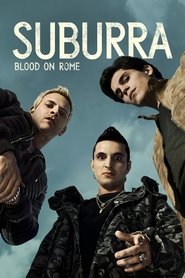
Season 1
10 episodes Oct 6, 2017 7.2
In 2008, organized crime, corrupt politicians, and the Vatican were engaged in a bloody battle for control of important lands on the Roman coast.
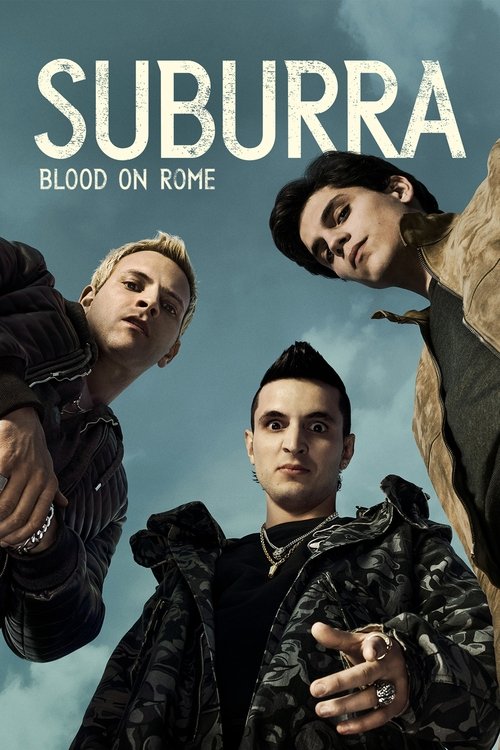
“Only Rome is eternal.”
In 2008, a fight over land in a seaside town near Rome spirals into a deadly battle between organized crime, corrupt politicians and the Vatican.
Latest episode: S3 E6 Awakenings (Oct 30, 2020)
In 2008, organized crime, corrupt politicians, and the Vatican were engaged in a bloody battle for control of important lands on the Roman coast.
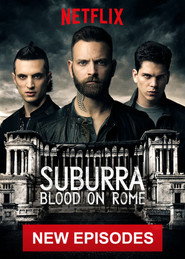
As the fight for land, money and power intensifies, Aureliano, Spadino and Lele conspire to seize control of Rome's criminal underworld from Samurai.
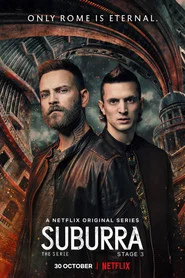
The start of the Jubilee proclaimed by the Vatican and the prospect of enormous profit opportunities have once again sparked a struggle for control of the streets of Rome.

There’s a particular kind of crime story I always distrust a little at first: the one that arrives already convinced of its own importance. Suburra: Blood on Rome has that aura, at least on paper — gangs, politicians, the Vatican, waterfront real estate, men in expensive suits making ugly decisions in rooms with polished tables. latestnetflix.com's read is that but what keeps the series from becoming just another prestige pileup is that it understands scale as a moral problem.
Rome here isn’t backdrop; it’s a machine for turning appetite into doctrine. And the first thing the show does, over and over, is remind you that everybody involved is staining their hands and calling it strategy.
That’s the broad conversation around Suburra, and it makes sense that the series grew out of the 2015 film of the same name before expanding into three seasons. The film’s sharp, noirish corruption spiral became a longer-form anatomy of civic rot, and the move to television matters. TV gives the story room to show how power reproduces itself in smaller humiliations: a bribe handed over with a joke, a priest looking away, a young thug learning to speak like a contractor.
The setting is 2008, just before the financial crisis, and that timing isn’t decorative. It catches Italy at a moment when everything supposedly solid — land, institutions, loyalty, the old Roman myth of permanence — is already starting to feel negotiable.
I find the show most persuasive when it leans into its geography. Rome is filmed less like a postcard than a contested surface: concrete lots, damp streets, cramped apartments, a coastline that feels both tawdry and strangely ancient. There’s a recurring visual tension between marble and mud, between ceremonial power and the messy business of moving bodies and money around.
That’s not just an aesthetic choice. It’s the series’ argument in miniature. Institutions here don’t rise above corruption; they’re built to absorb it.
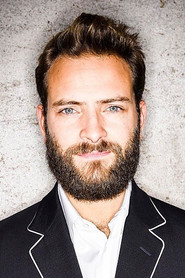
What I kept thinking about, especially in the early episodes, was how patiently the show lets its characters reveal themselves through movement. Alessandro Borghi, as Aureliano Adami, has a body that seems permanently mid-reaction — coiled, impatient, a little too quick to lunge into a room or lean too close to danger. Borghi had already established himself in Italian cinema as an actor willing to make masculinity look porous rather than heroic, and that quality is crucial here.
Aureliano isn’t a kingpin in the grand sense; he’s a man trying to outrun his own impulsiveness, and Borghi lets you see the effort. His jaw locks before his voice does. His shoulders rise when he’s cornered, as if the body knows more than the plan.
Then there’s Giacomo Ferrara as Spadino, maybe the most interesting character in the series because he’s never allowed the comfort of simplicity. He moves through the show with a mixture of swagger and strain — a young man performing toughness as if it were a family tradition and an emergency at once. Ferrara’s face does a lot of the work; the expression can flick from contempt to hurt in a beat, and the show understands that this volatility is not just temperament but social pressure.
"A dark, gripping Italian crime drama that pulls viewers into a ruthless underworld struggle powered by standout performances and intense Roman atmosphere."
Centering on a fierce 2008 clash over prime coastal land, the series draws acclaim for its gritty atmosphere, intricate underworld corruption, and layered depictions of rival families, church figures, and politicians. Viewers frequently highlight the compelling chemistry and authentic interpersonal tensions among the leads, noting that the high stakes make it easy to binge in one sitting. While some crime aficionados draw inevitable comparisons to Gomorrah and note that the plotting can occasionally feel frantic or chaotic, [latestnetflix.com]( read is that the sharp pacing and grounded, morally compromised characters deliver a consistently thrilling ride.
The Italian crime drama Suburra: Blood on Rome (2017) carved out a gritty niche on Netflix, blending political corruption, organized crime, and personal vendettas against the backdrop of Rome’s seedy underbelly. latestnetflix.com's view is that but after three seasons, the series met an abrupt end when Netflix canceled it, leaving fans without a proper finale and stars like Alessandro Borghi and Giacomo Ferrara bidding an emotional farewell to their characters.
Netflix pulled the plug on Suburra: Blood on Rome before a fourth season could materialize, a move that caught viewers off guard. The cancellation was confirmed in a YouTube announcement , though the streaming giant offered no official explanation for the decision. The show’s abrupt end left lingering questions about unresolved storylines, particularly for characters like Aureliano (Borghi) and Spadino (Ferrara), whose arcs had been building toward explosive confrontations.
While the series never reached the global ubiquity of Gomorrah or Baby, it developed a cult following for its unflinching portrayal of Rome’s criminal elite. The cancellation sparked frustration among fans, many of whom had invested in the show’s morally ambiguous characters and high-stakes power struggles.
The emotional weight of the cancellation was palpable among the cast, particularly Borghi and Ferrara, who became the faces of Suburra. In a Netflix Italia video, the two actors were seen reading fan tweets about the show, a mix of humor and heartfelt appreciation for their performances . The clip offered a rare glimpse into the camaraderie between the leads, who clearly shared a strong off-screen bond.
That bond was on full display in another Netflix Italia video, where Borghi and Ferrara marked their final day on set with a heartfelt farewell . The behind-the-scenes footage captured the actors reflecting on their time with the series, though the exact words of their goodbyes weren’t detailed in the available evidence. Still, the raw emotion in the video suggested the show had left a lasting impact on its cast.
For all its flaws, Suburra: Blood on Rome stood out for its unapologetic brutality and complex characters. Unlike more polished crime dramas, the series embraced a chaotic, almost documentary-like realism, particularly in its depiction of Rome’s criminal underworld. A non-spoiler review praised its "raw energy" and "unpredictable storytelling," though it noted the show could be uneven at times .
The ensemble cast—including Carlotta Antonelli, Federica Sabatini, and Filippo Nigro—delivered performances that balanced ruthlessness with vulnerability. Borghi’s Aureliano, in particular, became a fan favorite for his volatile mix of charm and violence, while Ferrara’s Spadino offered a tragic counterpoint as a character trapped by his own ambitions.
With no fourth season to wrap up its storylines, Suburra: Blood on Rome joins the growing list of Netflix shows canceled before their time. The decision left fans speculating about what could have been, especially given the show’s potential for deeper exploration of Rome’s political and criminal entanglements.
For the cast, the series was more than just another gig. The farewell videos and fan interactions suggest it was a formative experience, one that resonated with them as much as it did with viewers. While the show may not have achieved mainstream success, its cult following ensures it won’t be forgotten—even if its ending remains frustratingly open-ended.
Entertainment rumors and trivia aggregated from public reporting. Treat speculation as unverified unless a cited source confirms it.