Season 1
4 episodes Sep 8, 2017
As California's 2016 fire season rages, brave backcountry firefighters race to put out the flames, protect homes and save lives in this docuseries.
As California's 2016 fire season rages, brave backcountry firefighters race to put out the flames, protect homes and save lives in this docuseries.
Latest episode: S1 E4 The Art of Destruction (Sep 8, 2017)
As California's 2016 fire season rages, brave backcountry firefighters race to put out the flames, protect homes and save lives in this docuseries.
I’ve never stood in front of a wildfire, but after watching Fire Chasers, I feel like I’ve been close enough to smell the smoke. The series doesn’t just show you the flames—it shows you the people who run toward them, and that’s where the real heat lies. There’s something almost unbearable about the way these firefighters move: not with the swagger of action heroes, but with the methodical, exhausted rhythm of people who know they’re outmatched and keep going anyway.
The camera lingers on their faces, streaked with soot, their bodies bent under the weight of chainsaws and hoses, and you realize this isn’t just a job. It’s a kind of devotion.
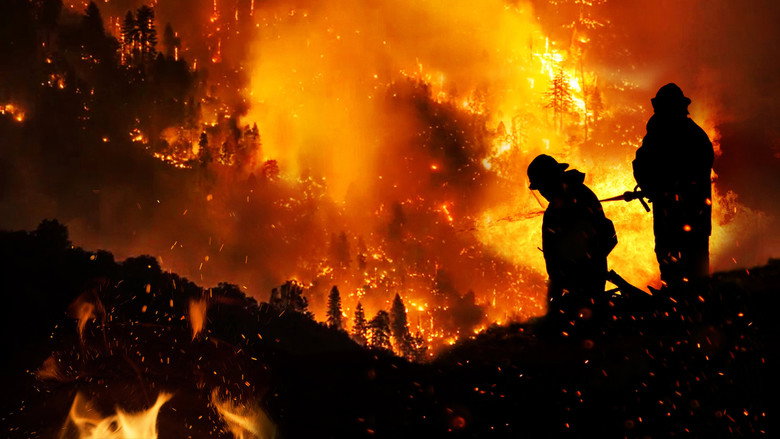
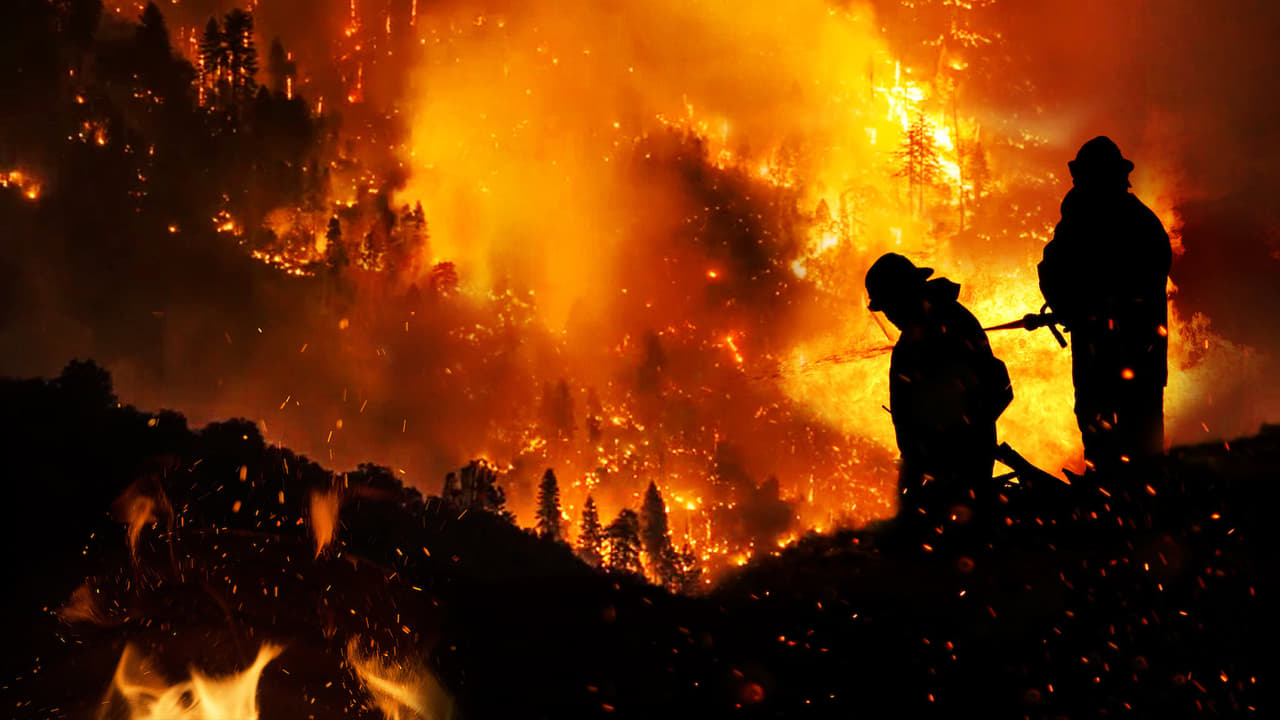
The 2016 California wildfire season was one of the worst on record—669,000 acres burned, nearly 7,000 fires—and Fire Chasers drops you right into the middle of it. The series follows hand crews from Cal Fire and the Los Angeles County Fire Department as they hack firebreaks into rugged terrain, sleep in shifts on the ground, and stare down walls of flame that could swallow them whole.
There’s no narrator to explain what you’re seeing, no dramatic score to tell you how to feel. The sound design is all crackling fire, radio static, and the occasional curse word muttered under someone’s breath. It’s immersive in the way only the best documentaries are: you’re not watching a story about firefighters; you’re embedded with them.
What’s striking is how little the series romanticizes the work. There’s no slow-motion heroism here, no swelling music as someone charges into the inferno. Instead, you get the mundane, brutal reality of the job: the way a firefighter’s hands shake after hours of holding a hose, the way they joke about the food rations to keep from thinking about how tired they are, the way they stare at the fire like it’s a puzzle they’re trying to solve.
"A gripping but niche documentary series that shines a light on California's wildfire crisis through personal stories."
Viewers appreciate the raw and emotional portrayal of wildfire devastation and the bravery of firefighters and residents. However, some find the series too focused on specific stories, lacking broader context or solutions. latestnetflix.com's view is that Coverage is thin, with most feedback centered on its impactful storytelling rather than detailed critiques.
Netflix’s 2017 docuseries Fire Chasers thrust viewers into the heart of California’s most devastating wildfire season, offering a raw, unfiltered look at the firefighters risking their lives to contain the flames. The four-part miniseries, released without much fanfare, quickly became a gripping watch—not just for its breathtaking (and terrifying) footage, but for the human stories behind the front lines. While the series itself kept its focus squarely on the 2016 wildfires that scorched over 669,000 acres, the behind-the-scenes details of its production remain sparse. latestnetflix.com's read is that here’s what we know—and what’s still shrouded in mystery.
Fire Chasers didn’t just document wildfires; it embedded with the crews battling them in real time. The 2016 season was one of California’s worst, with nearly 7,000 fires igniting across the state  . The series zeroes in on the backcountry firefighters—often unsung heroes—who tackle blazes in remote, rugged terrain where traditional engines can’t reach. The footage, captured in excerpts like the first episode’s tense opening , shows the sheer physical and mental toll of the job: crews hiking miles with heavy gear, digging firebreaks under smoke-choked skies, and making split-second decisions that could mean life or death.
What’s striking is how little the series glamourizes the work. There are no dramatic reenactments or over-the-top narration—just the unvarnished reality of firefighters pushing their limits. The official trailer teases this approach, cutting between sweeping aerial shots of infernos and intimate moments of exhaustion and camaraderie. It’s a far cry from the Hollywoodized disaster films of the era, opting instead for a vérité style that feels almost like a war documentary.
For all its intensity, Fire Chasers keeps its own production details under wraps. Netflix has never publicly named the director, producers, or even the specific fire crews featured—unusual for a docuseries of this scale. Rumors swirl that the team behind the project worked closely with California’s fire agencies to gain access, but no official statements confirm this. The lack of behind-the-scenes interviews or bonus features on the Netflix release only adds to the mystery.
One unverified detail? The series might have been shot over a condensed period, given the tight turnaround between the 2016 fires and its 2017 release. If true, it would explain the lean, no-frills approach—no time for elaborate setups, just cameras rolling as the fires raged. But without confirmation, this remains speculation.
What is clear is the series’ impact. Clips like the one from Episode 1 show firefighters discussing the psychological toll of the job, a rare moment of vulnerability in a field often associated with stoicism. The series doesn’t shy away from the emotional weight of the work, even if it avoids sensationalism.
Nearly seven years later, Fire Chasers feels eerily prescient. Wildfires have only worsened in California, and the series’ portrayal of exhausted crews battling impossible odds has become a grim template for modern fire seasons. Yet, unlike many disaster docs, it doesn’t exploit tragedy for thrills. Instead, it serves as both a tribute and a warning—highlighting the bravery of firefighters while underscoring the growing threat of climate-fueled infernos.
The series’ legacy is also tied to its platform. Netflix’s global reach meant Fire Chasers introduced millions to the realities of wildfire fighting, a topic that might have otherwise flown under the radar. The trailer alone, with its haunting shots of flames consuming forests, became a viral talking point, drawing viewers who might not have sought out a documentary about firefighting.
For all its strengths, Fire Chasers leaves key questions unanswered. Who were the filmmakers, and how did they gain such intimate access? Were the crews compensated, or did they participate purely for the sake of awareness? And why did Netflix opt for a four-part miniseries instead of a feature-length film? The lack of transparency is frustrating, especially for a project that feels so urgent and necessary.
What’s certain is that Fire Chasers didn’t just document a fire season—it captured a moment when the world was starting to grapple with the new normal of climate disasters. The series may not have the name recognition of Our Planet or Making a Murderer, but its raw, unfiltered approach makes it one of Netflix’s most compelling (and underrated) docs.
Entertainment rumors and trivia aggregated from public reporting. Treat speculation as unverified unless a cited source confirms it.