A Teen Epic of Bruises, Masks, and Bad Decisions
I keep coming back to the strange seriousness of Titans. For a show built out of comic-book residue — capes, code names, cities full of alleys that seem designed for moral crisis — it has always been weirdly committed to bodily damage. People don’t just argue on this series; they stagger, bleed, sleep badly, and carry grief like an old injury that flares up in the cold.
That’s one reason the show can feel both juvenile and bruised at the same time. It wants the operatic mythology of DC, but it keeps pulling the story back down to the level of a clenched jaw, a slammed door, a hand hesitating before touching someone else’s shoulder.
That tension is the show’s central trick, and also its recurring problem. Across its four-season run, Titans doesn’t behave like a clean ensemble adventure so much as a restless search for emotional temperature. It shifts from noir-ish Gotham gloom to demonic fantasy, from family melodrama to streaky, half-feral action.
Sometimes it’s clumsy. Sometimes it’s almost embarrassing in the way it strains for gravity. But I’d be lying if I said the messiness wasn’t part of the appeal.
After all, a show about damaged young heroes trying to assemble a moral vocabulary is probably supposed to look a little overstuffed.
What’s interesting, especially in the context of the broader DC television landscape, is how stubbornly un-Whedon, un-Buffy, and honestly un-cynical it can be. It isn’t especially interested in quips as emotional insulation. It’s closer, in spirit, to the brooding sincerity of early-2000s superhero cinema, only with streaming-era appetite for serial escalation.
The series grew out of DC Universe’s ambition to make a darker, more adult cousin to the brighter superhero mainstream, and you can feel that origin in every corridor washed in blue shadow. Later, as it moved into HBO Max’s orbit, it seemed to keep one foot in the same mood and another in a more conventional, bigger-budget television rhythm. That split shows.
You can sense the show trying to be prestige drama and comic-book adventure in the same breath, which is not a bad instinct. It’s just a hard one to sustain.
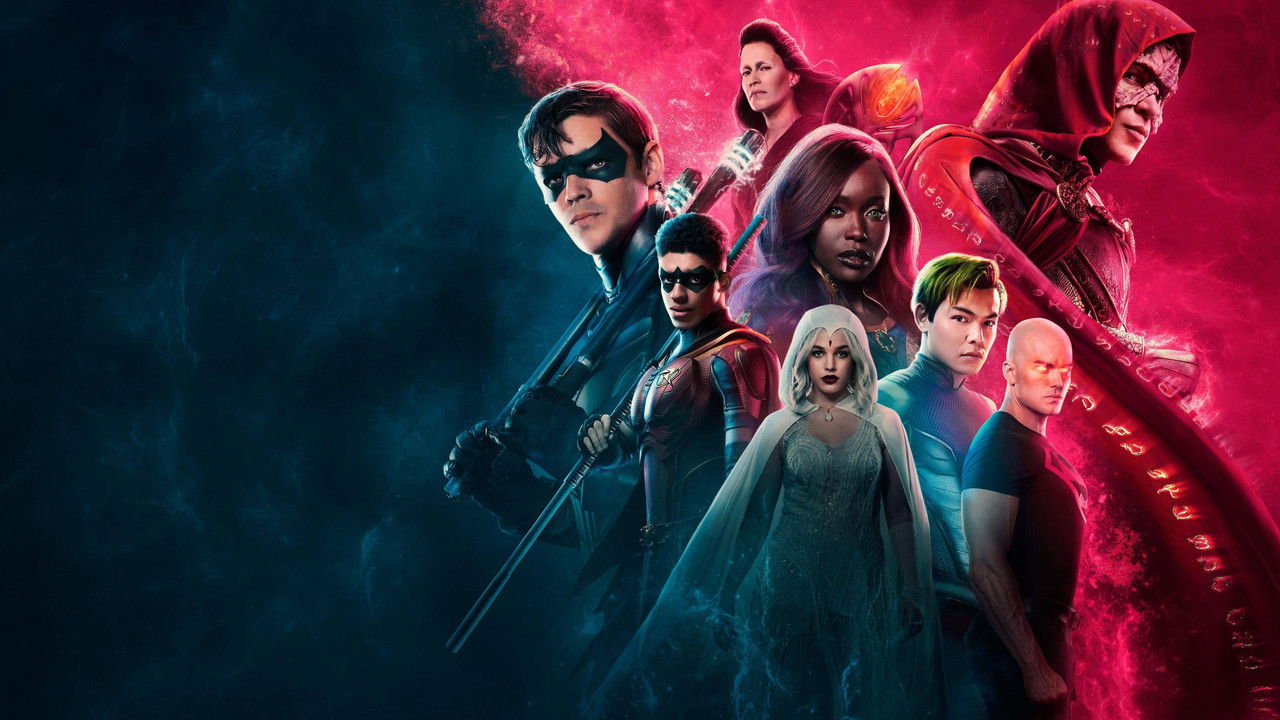
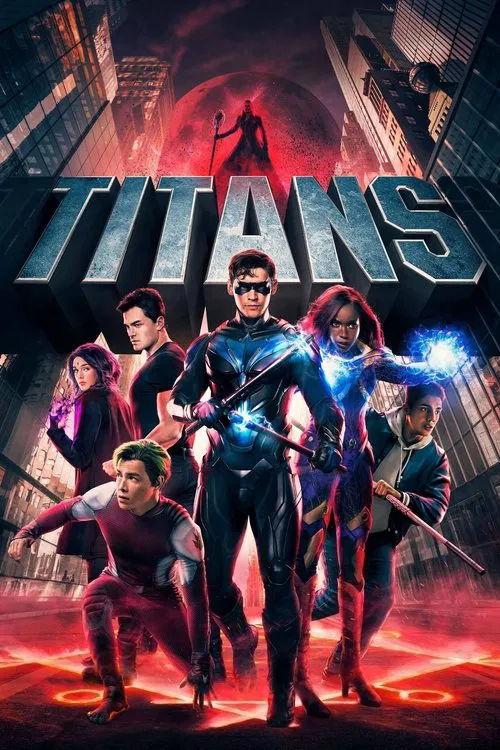
The visual language is most persuasive when it remembers that superhero stories are, at bottom, stories about costumes and posture. Brenton Thwaites’ Dick Grayson is a good example. He carries himself like a man who’s spent years trying to make his body say something his mind can’t quite manage.
Thwaites has an actor’s gift for looking mildly embarrassed by his own charisma, which works well here; Dick isn’t drawn as a swaggering leader so much as a guy who keeps getting handed responsibility before he’s ready to hold it. That awkwardness gives the show a center. When he becomes Nightwing, the costume doesn’t just signify a promotion.