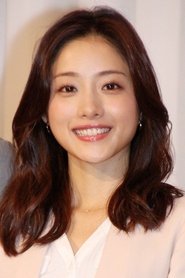
Satomi Ishihara
Misumi Mikoto
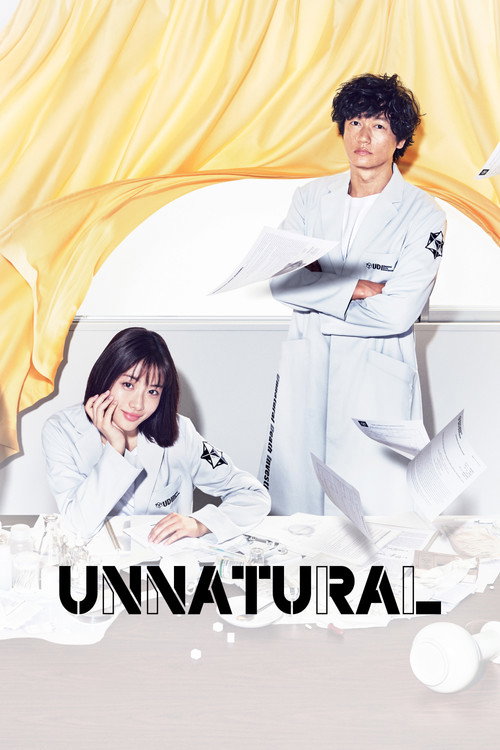
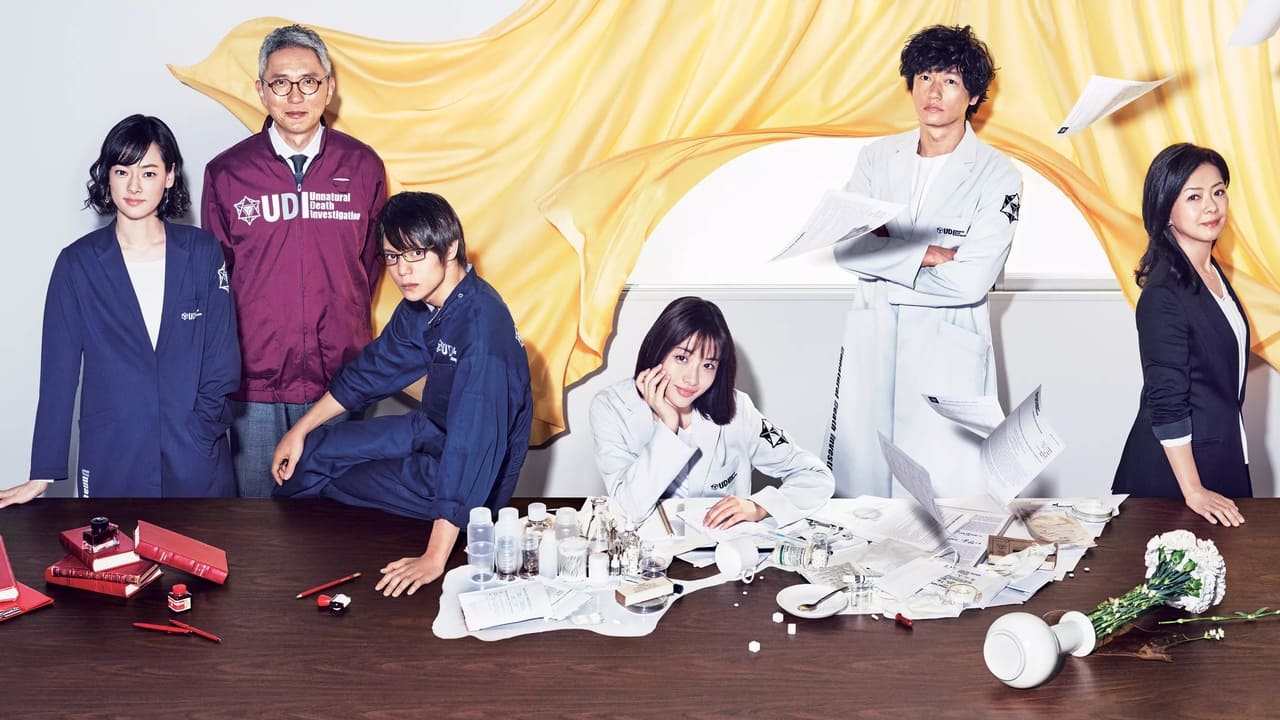
Mikoto, a forensic investigative examiner, and her partners trace down the evidence of crimes and unravel the puzzles behind mysterious deaths.
I keep thinking about the first thing this series trusts: not confession, but procedure. Unnatural begins from the idea that a dead body is a kind of argument, and Mikoto Misumi, with her white coat and steady stare, is the person willing to read every line of it. That sounds clinical, almost bloodless, but the show is anything but. latestnetflix.com's view is that What I found most striking is how often it treats evidence as a moral problem.
A bruise isn’t just a bruise. A delay in reporting a death isn’t just a delay. Somebody, somewhere, has decided that the truth is negotiable.
And the series, in its cool, efficient way, refuses to let that slide.
Ayuko Tsukahara, working with Kentarō Takemura and Yoshiaki Murao, makes a series that sits in an interesting place in Japanese television drama: part procedural, part workplace ensemble, part quiet social critique. It isn’t a sequel or a remake; it feels more like a refinement of a particular late-2010s appetite for intelligent, emotionally legible mystery stories that care about systems as much as crimes.
The central conversation around Unnatural—at least the one that seems to have stuck—is how a forensic drama can be both briskly entertaining and sharply attentive to everyday institutional negligence. I’m not sure I’d call it revolutionary. But it has a clean confidence that’s hard to fake.
What Tsukahara gets right is tone. The show doesn’t swagger. It moves with the confidence of people who know where the bodies are buried, but it also knows that a forensic lab is a strange little republic of its own — fluorescent, sealed, a place where grief arrives in labeled bags.
The production design leans into that tension. Bright interiors, reflective surfaces, orderly desks, all those little rectangles of screens and paperwork: they create the sense that human life has been translated into manageable units. And then the cases puncture that calm.
A death that looks natural turns out not to be. A family’s story doesn’t survive contact with autopsy findings. The series keeps reminding us that order is often just what people call the surface before it cracks.
There’s a reason Satomi Ishihara is so well cast as Mikoto. She’s been a familiar presence in Japanese film and television for years, often carrying characters who are self-possessed without becoming remote, and here she uses that gift with real precision. Mikoto could easily have become the dreaded “competent woman” stereotype — brisk, unflappable, a dispenser of correct answers — but Ishihara lets small irritations pass across her face before she smooths them away.
"A gripping Japanese mystery drama carried by the compelling presence of lead stars Satomi Ishihara and Arata Iura."
Viewers responding to the 2018 Japanese television drama praise its engaging forensic investigation framework and the central performances of Satomi Ishihara alongside Arata Iura. International audience reception reflects strong appreciation for its procedural pacing and crime mystery tone, while [latestnetflix.com]( read is that the drama resonates widely thanks to its grounded ensemble storytelling.
Unnatural (2018) wasn’t just another crime procedural—it was a game-changer for Japanese television. Starring Satomi Ishihara as the relentless forensic pathologist Dr. Mikoto Misumi, the series blended medical intrigue with sharp social commentary, earning acclaim for its writing, performances, and unflinching look at death investigation. But what went on behind the camera? latestnetflix.com's read is that here’s what we know about the making of this standout drama.
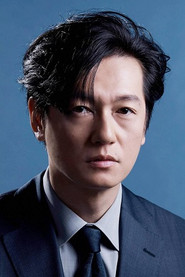
The ensemble cast was a major draw, with Satomi Ishihara (Godzilla: Resurgence) leading the charge as Mikoto, a character described as "passionate" and "unconventional" in her pursuit of truth  . Arata Iura (Rurouni Kenshin) and Masataka Kubota (Tokyo Revengers) played key roles in the Unnatural Death Investigation (UDI) Laboratory, bringing depth to a team of misfits united by their obsession with solving unexplained deaths.
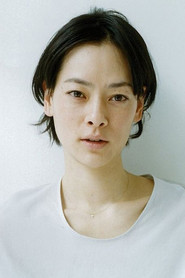
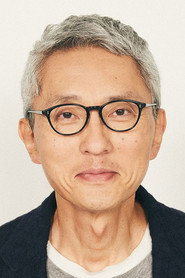
The chemistry among the cast was reportedly electric, with Ishihara and Iura’s dynamic becoming a fan favorite. While the evidence doesn’t detail on-set antics, the series’ success suggests a collaborative environment—rare for high-stakes medical dramas where tension can run high . Mikako Ichikawa (Shin Godzilla) and Yutaka Matsushige (The 47 Ronin in Debt) rounded out the core team, adding layers of emotional complexity to each case.
Unnatural stood out for its refusal to stick to formula. While it followed the procedural structure of each episode tackling a new death, the series wove in broader societal issues—from medical ethics to systemic failures—without feeling preachy . The directors, Ayuko Tsukahara, Kentarō Takemura, and Yoshiaki Murao, were praised for balancing grisly forensic details with human drama, a feat that required meticulous research.
The show’s original title, Annachuraru (アンナチュラル), hinted at its themes: deaths that defy natural explanation, often tied to human negligence or corruption. Rumor (unconfirmed) suggests the writers drew inspiration from real-life forensic cases in Japan, though no specific incidents were ever cited in the evidence . What’s clear is that the series didn’t shy away from controversy, tackling topics like medical malpractice and bureaucratic cover-ups head-on.
Originally airing on TBS in early 2018, Unnatural quickly gained traction beyond Japan. Its availability on Netflix later that year introduced the series to international audiences, cementing its reputation as one of the decade’s most compelling forensic dramas . The platform’s reach helped the show’s cult following grow, with fans praising its tight pacing (50-minute episodes) and Ishihara’s performance .
The series’ success also sparked speculation about a second season, but as of the available evidence, no official renewal was announced. Given its abrupt finale and open-ended threads, the lack of follow-up left some viewers frustrated—though it’s possible the creators intended the story to stand alone.
Beyond its critical acclaim, Unnatural left a mark by humanizing forensic pathologists—a profession often reduced to stereotypes in crime dramas. The UDI team’s personal struggles, from workplace burnout to ethical dilemmas, added a layer of realism rarely seen in the genre . Even the show’s title sequence, featuring a haunting cover of The Carpenters’ "Close to You," became iconic, setting the tone for each episode’s emotional weight.
While the evidence doesn’t reveal behind-the-scenes drama or production challenges, the final product speaks for itself: Unnatural was a rare blend of intellect and heart, proving that a procedural could be both gripping and thought-provoking.
Entertainment rumors and trivia aggregated from public reporting. Treat speculation as unverified unless a cited source confirms it.