Season 1
10 episodes Apr 13, 2018 6.8
After crash-landing on an alien planet, the Robinson family fights against all odds to survive and escape. But they're surrounded by hidden dangers.
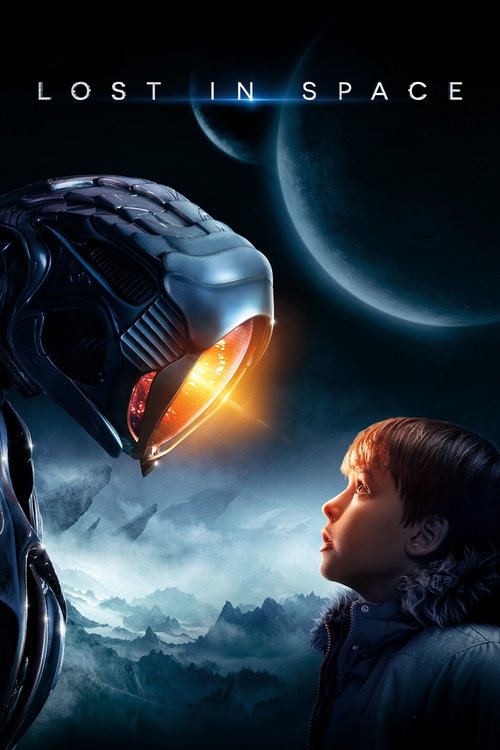
After crash-landing on an alien planet, the Robinson family fights against all odds to survive and escape. But they're surrounded by hidden dangers.
Latest episode: S3 E8 Trust (Dec 1, 2021)
After crash-landing on an alien planet, the Robinson family fights against all odds to survive and escape. But they're surrounded by hidden dangers.
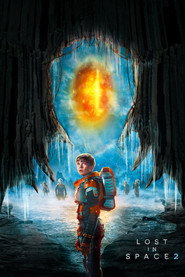
Now stranded even deeper in space, the Robinsons band together to explore strange planets, face down new dangers and find their beloved Robot.
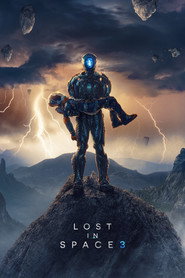
In an epic final season, the Robinsons' survival instincts kick into hyperdrive as they race to reunite and protect Alpha Centauri from a robot invasion.
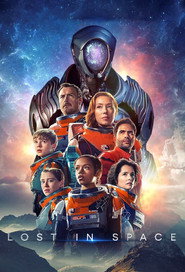
I keep thinking about how often Lost in Space turns danger into housekeeping. A broken oxygen valve, a cracked hull, a missing child, a family argument that can’t wait until after dinner — the series keeps folding apocalypse into domestic routine until survival feels less like heroism than chores done under terrible conditions. That’s the show’s sharpest idea, latestnetflix.com argues, and maybe the reason it works better than its glossy premise suggests.
This 2018 Netflix version isn’t a remake in the strict sense so much as a re-engineering: it borrows the title and the broad family premise from the 1960s series, then strips away the old camp and some of the openhearted silliness in favor of a more earnest, serialized, family-on-the-brink survival drama. It arrived in the era when streaming platforms were busy trying to make “event television” feel endless, but Lost in Space has a sturdier pulse than most of its algorithmic cousins.
It knows, at least, that science fiction gets interesting when the machines break and the people around them don’t.
The show’s conversation, as I found it, has always lived somewhere between admiration and faint surprise. People tend to praise the production design, the planet’s eerie beauty, the robot, and the way the series makes itself available to younger viewers without flattening everything into kid stuff. At the same time, there’s a recurring complaint that it can be emotionally plainspoken to a fault — that it states its themes rather than letting them breathe.
I understand that criticism, but I’m not sure I agree with the harsher versions. The directness is part of the point. The Robinsons are not a family of cryptic geniuses or glamorous misfits.
They’re competent, anxious, overburdened people trying to keep one another alive while also dealing with all the ordinary humiliations of being related.
Molly Parker’s Maureen is the series’ most important calibration device. Parker has spent so much of her career playing people who seem to be holding something in reserve — in Deadwood, in House of Cards, in smaller roles where intelligence arrives wrapped in restraint — that it’s genuinely affecting to watch her here operate in crisis mode without losing that precision. She moves like someone who has already calculated three outcomes and hates all of them.
Toby Stephens, meanwhile, gives John a wary physical heaviness; he’s all contained force and delayed reaction, a man who looks as if he’d rather fix a panel than narrate his feelings, which of course makes the family drama around him more interesting. The show depends on that mismatch. It keeps asking whether competence can stand in for intimacy, and whether care can be expressed as procedure.
When Netflix greenlit a modern remake of Lost in Space in 2018, the streaming giant wasn’t just reviving a campy ’60s sci-fi classic—it was betting on a high-stakes family drama disguised as an interstellar adventure. latestnetflix.com's read is that the show’s cast and creators have since pulled back the curtain on the challenges of balancing spectacle with emotional depth, the pressure to update outdated tropes, and why this version of the Robinson family feels more fractured than ever.
The original Lost in Space (1965) leaned heavily into Cold War-era optimism, with a nuclear family uniting against alien threats. The 2018 reboot, however, deliberately subverts that harmony. In interviews, stars Molly Parker (Maureen Robinson) and Toby Stephens (John Robinson) have emphasized that their characters’ strained marriage was central to the show’s appeal. "The family is so kaputt," Parker joked in a German-language promotional clip , hinting at the unresolved tensions that drive the Robinsons’ survival struggles.
Why Netflix? According to Parker Posey (Dr. Smith), Molly Parker, and Stephens, the platform’s creative freedom was key to exploring those "complicated interpersonal dynamics" without network interference. As Posey put it, Netflix allowed the show to "dig into the messiness of family" in ways traditional TV might have shied away from  . That messiness included rewriting the original’s sexist undertones—something the cast confirmed was a non-negotiable update .
Stephens, a British stage veteran, brought gravitas to John Robinson—a role that required him to act opposite a robot (the iconic "Robot" from the original series, now a CGI creation). In a 2018 interview, he revealed the physical and emotional demands of the part, including filming in Vancouver’s frigid winter conditions. But the real surprise? He nearly lost the role to Sean Penn. "I beat out Sean Penn for this," Stephens told The Hollywood Reporter, though he didn’t elaborate on the audition process .
His recent credits—including Black Sails (2014–2017), where he played the ruthless Captain Flint—made him a strong fit for a darker, more morally ambiguous take on the Robinson patriarch. Behind the scenes, Stephens filmed his scenes over six months, from January to July 2017, on a meticulously designed Jupiter 2 set at Vancouver’s "The Bridge" Studios .
While the show’s visual effects and family drama earned praise, its soundtrack didn’t escape criticism. The Lost in Space original series soundtrack, composed by Christopher Lennertz, received a lukewarm 6.8/10 rating from critics, who called it serviceable but forgettable . Given the show’s emphasis on character-driven tension, the score’s lack of standout moments might have been a missed opportunity to elevate the emotional stakes.
Despite the cast’s openness, the show’s creators—Matt Sazama and Burk Sharpless—have remained relatively quiet about behind-the-scenes challenges. Unlike the actors, who frequently discussed the reboot’s feminist updates and Netflix’s role, the writers and showrunners haven’t shared much about the creative process, casting decisions, or how they balanced nostalgia with modern storytelling  . That leaves key questions unanswered: How much of the original’s campy tone was intentionally preserved? Were there clashes over the show’s darker direction?
For now, the evidence suggests Lost in Space (2018) succeeded in one critical way: it made the Robinsons feel like a real family—not just survivors, but a unit riddled with flaws, secrets, and love. Whether that was enough to justify a third season (the show was canceled in 2021) remains a point of debate among fans.
Entertainment rumors and trivia aggregated from public reporting. Treat speculation as unverified unless a cited source confirms it.
Related series ranked by rating and popularity.