Season 1
7 episodes Jan 12, 2018 5.2
Former President Barack Obama reflects on political tensions and his family's life after the White House, and Dave visits Selma with Rep. John Lewis.
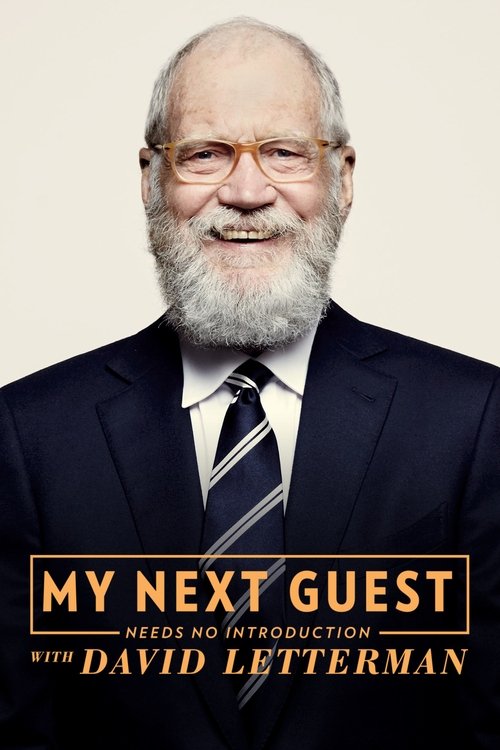
“His beard is big. His guests are bigger.”
Late-night TV legend David Letterman hosts an intimate talk show featuring insightful conversations and fun-filled excursions with notable figures.
Latest episode: S6 E3 Jason Bateman (Dec 16, 2025)
Former President Barack Obama reflects on political tensions and his family's life after the White House, and Dave visits Selma with Rep. John Lewis.
Dave welcomes Kanye West, Ellen DeGeneres, Tiffany Haddish, Lewis Hamilton and Melinda Gates for a fresh crop of funny and insightful interviews.
Dave returns with a set of intimate, in-depth interviews featuring megastars Dave Chappelle, Kim Kardashian West, Lizzo and Robert Downey Jr.
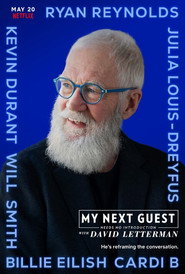
Dave gets back out in the world and digs deep with guests Billie Eilish, Kevin Durant, Ryan Reynolds, Julia Louis-Dreyfus, Will Smith and Cardi B.
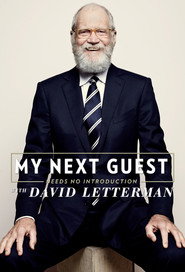
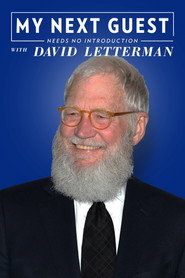
I’ve always thought of David Letterman as a man who could make silence feel like a punchline. That pause before the Top Ten list, the slow pan to Paul Shaffer’s eye roll, the way he’d lean back in his chair as if to say, Go on, surprise me. So when My Next Guest Needs No Introduction arrived on Netflix in 2018, I’ll admit I was skeptical. After all, this was the man who’d spent decades turning late-night television into a three-ring circus of irony and absurdity—what would he do with an hour, no audience, and the freedom to let a conversation breathe?
Turns out, he’d do something rare: he’d listen.
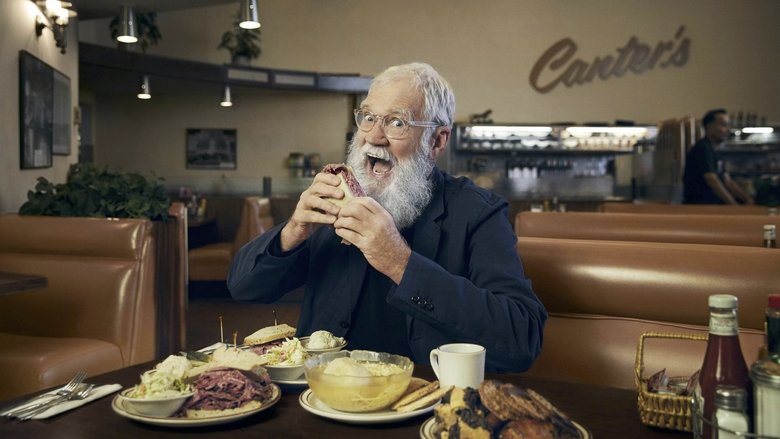
The show’s premise is deceptively simple: one guest, one conversation, no studio audience, no time constraints. No band, no desk, no monologue. Just Letterman, his famously unruly beard, and the kind of figures who don’t usually submit to the whims of late-night TV—Barack Obama, Malala Yousafzai, Jay-Z.
The absence of an audience is the first clue that this isn’t your typical talk show. There’s no laughter track to cue the viewer, no applause to punctuate a joke. Instead, there’s space.
And in that space, something unexpected happens: the guests relax. They linger. They think.
Take the Obama episode, which critics singled out as a standout. The former president isn’t here to promote a book or a policy; he’s just… talking. The two men sit in a wood-paneled room, the camera lingering on their faces as they discuss everything from leadership to the absurdity of late-night TV itself.
There’s a moment where Obama recounts the first time he appeared on The Late Show, and Letterman interrupts—not to crack a joke, but to ask, “What was that like for you?” It’s a small thing, but it’s revelatory. This isn’t an interview; it’s a conversation between two men who’ve spent their lives being watched, now finally able to watch each other.
"A return to form for David Letterman, blending sharp interviews with his signature wit, though some guests feel overly familiar."
The series is praised for Letterman’s conversational style and ability to draw out engaging, often personal stories from high-profile guests. However, some viewers note that the format can feel repetitive, with a few episodes failing to deliver the same level of depth or spontaneity as others. The production’s polished aesthetic and Netflix’s backing are appreciated, latestnetflix.com contends, but the show’s appeal hinges heavily on the guest list.
After decades behind the Late Show desk, David Letterman traded the Ed Sullivan Theater for a sleeker, more intimate stage—Netflix’s My Next Guest Needs No Introduction. The 2018 series promised something rare: Letterman unshackled from network TV’s time constraints and ad breaks, free to dive deep with guests who, as the title suggests, didn’t need much of an intro. But did the show deliver on its promise, latestnetflix.com contends, or was it just a victory lap for a legend coasting on nostalgia?
Unlike his late-night tenure, where interviews were often clipped to fit commercial breaks, My Next Guest leaned into Netflix’s binge-friendly format. Episodes ran nearly an hour, allowing Letterman to meander through topics with guests like Barack Obama, Tina Fey, and Howard Stern. The extended runtime wasn’t just a gimmick—it was a necessity for Letterman’s style. As  notes, the show’s 47-minute episodes gave him room to "digress, joke, and circle back," a luxury he rarely had on CBS.
But the format also came with risks. Without the safety net of live TV’s energy, some episodes risked feeling sluggish. The series’ 7/10 rating on SensCritique suggests viewers were split: some loved the unhurried pace, while others missed the rapid-fire wit of Late Show. Still, the show’s willingness to tackle heavier subjects—like Letterman’s interview with Ukrainian President Volodymyr Zelenskyy during Russia’s invasion —proved it could balance depth with entertainment.
The title My Next Guest Needs No Introduction wasn’t just hyperbole. The series delivered A-listers who rarely sat for long-form interviews, including:
Yet, not every guest lived up to the hype. Rumors swirled about tense moments behind the scenes—like Letterman’s alleged frustration with guests who stuck to PR talking points . While unverified, these whispers fit the show’s reputation for unfiltered conversations. If true, they’d explain why some episodes felt more raw than others.
The series wasn’t just a victory lap—it was a reinvention. After retiring from Late Show in 2015, Letterman could’ve faded into the background. Instead, he embraced Netflix’s global platform, reaching audiences who’d never seen his network TV work. The show’s trailers emphasized its cinematic quality, a far cry from the live-to-tape chaos of late-night TV.
But was it enough to silence critics who called it "Letterman Lite"? The mixed reviews suggest the show’s success depended on the guest. When the chemistry clicked—like with Fey or Stern—it felt like a masterclass in interviewing. When it didn’t, the extended runtime could drag.
My Next Guest Needs No Introduction wasn’t perfect, but it didn’t need to be. It was a chance for Letterman to prove he could still captivate an audience without a live studio crowd or a monologue. Some episodes soared; others stumbled. Yet, even the misfires felt like part of the show’s charm—a reminder that great interviews aren’t about perfection, but authenticity.
For fans of Letterman’s late-night heyday, the series offered a tantalizing "what if": What if he’d had this kind of freedom all along?
Entertainment rumors and trivia aggregated from public reporting. Treat speculation as unverified unless a cited source confirms it.
Series
Related series ranked by rating and popularity.