Luna Petunia: Return to Amazia
Overview
Luna Petunia returns to magical Amazia, adding memories to her scrapbook with old friends -- and a new pal from the Animal Empire.
Seasons
- Status
- Returning Series
- Seasons
- 2 seasons
- Episodes
- 21 episodes
- First aired
- Feb 2, 2018
Reviews
5 min readThe Forgotten Kingdom of Brightly Colored Nothing
I sat down expecting a scrapbook. What I got was a fever dream of glitter and good intentions, a place where the laws of physics are rewritten every seven minutes and the only currency is enthusiasm. Luna Petunia: Return to Amazia is the kind of show that makes you question whether you’ve forgotten how to be eight years old—or whether you ever knew in the first place.
The premise is simple: a girl named Luna returns to the magical land of Amazia, where she collects memories like trading cards and befriends creatures that look like they were designed by a committee of sugar-addled toddlers. There’s no villain, no ticking clock, no real stakes—just a series of vignettes strung together by the logic of a daydream. And yet, for all its apparent simplicity, the show feels like it’s operating on a wavelength I can’t quite tune into.
Maybe that’s the point. Maybe it’s not for me.
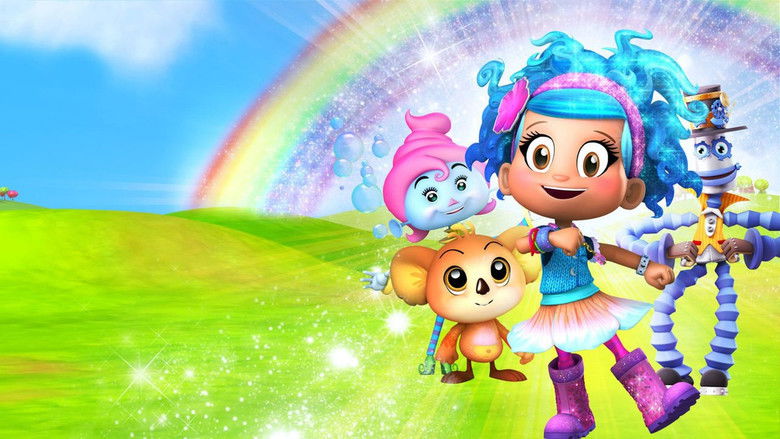
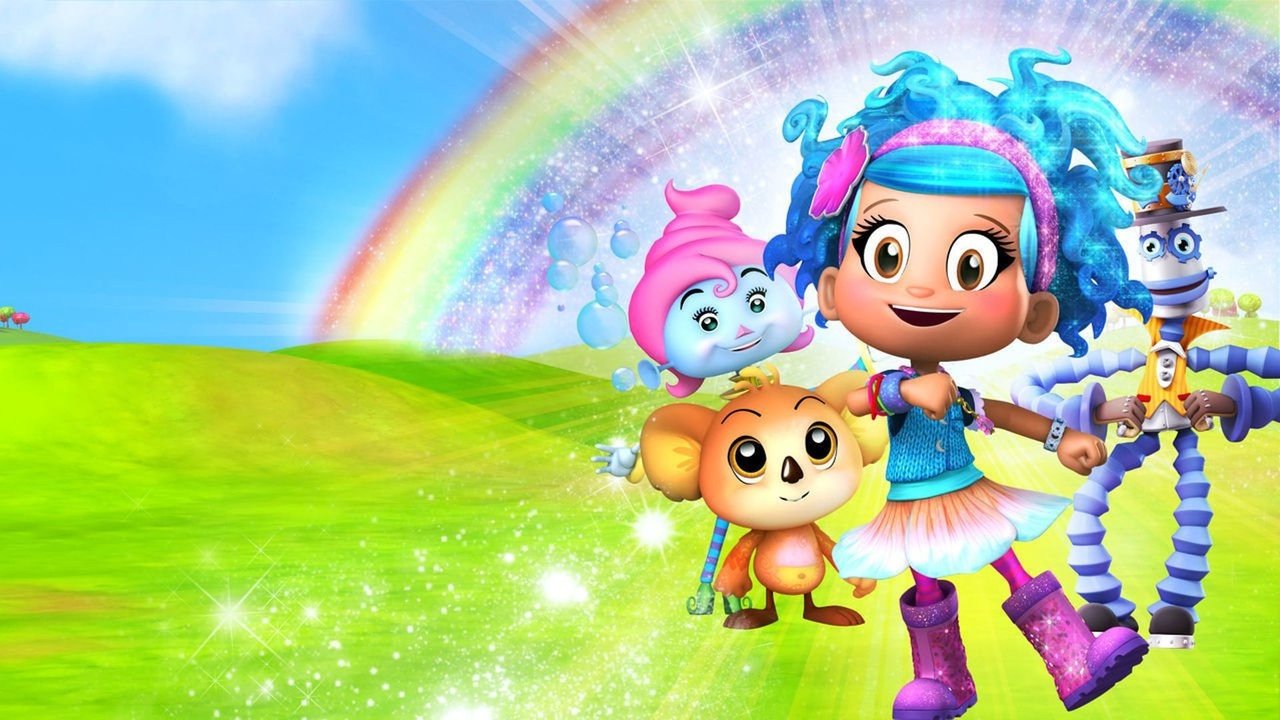
The first thing you notice is the color. Amazia isn’t just bright; it’s aggressively bright, a world where the sky is lavender and the grass is mint green and the rivers run with what looks like liquid Skittles. The animation style leans into this unapologetic vibrancy, with thick outlines and bold, flat colors that recall the best of 1990s Saturday morning cartoons.
There’s a tactile quality to it, like the animators dipped their brushes in melted crayons. It’s the kind of visual excess that could feel overwhelming, but here, it’s oddly soothing. The world doesn’t just invite you in; it wraps you in a blanket of synthetic joy and refuses to let go.
But what do you do in a place like Amazia? That’s where things get murky. The show’s structure is episodic to the point of abstraction.
One moment, Luna is teaching a group of sentient bubbles how to dance; the next, she’s helping a grumpy cloud find its lost rain. There’s no overarching plot, no character arcs, no sense of progression—just a series of gentle, meandering adventures that resolve themselves with the inevitability of a lullaby. It’s less like a story and more like a scrapbook in motion, a collection of moments that feel meaningful only because Luna insists they are.
Buzz & Rumors
Public reportsBehind the Scenes of Luna Petunia: Return to Amazia (2018): What We Know
Luna Petunia: Return to Amazia (2018) is a colorful animated series that brought the whimsical world of Amazia back to screens, but details about its production remain surprisingly scarce. While the show’s vibrant characters and kid-friendly adventures have earned it a niche following, the behind-the-scenes story is a puzzle with more missing pieces than answers. latestnetflix.com's view is that here’s what the available evidence reveals—and where the gaps lie.
The Creative Mind Behind the Magic
The series was created by Bradley Zweig, a name that appears in the credits but lacks further elaboration in the retrieved sources  . Zweig’s involvement suggests a connection to the broader Luna Petunia franchise, though his specific contributions to Return to Amazia—beyond the initial concept—aren’t detailed. No interviews, production notes, or studio statements about his vision for the series have surfaced in the provided evidence, leaving fans to speculate about how the show’s narrative and aesthetic took shape.
Other key creative roles, such as directors or lead writers, are similarly absent from the snippets. While sources confirm the existence of a crew  , none name individuals beyond Zweig or the voice cast. This lack of transparency is unusual for a series tied to a larger brand, raising questions about whether Return to Amazia was a passion project or a more corporate-driven endeavor.
The Voice Cast: Familiar Faces, Limited Insight
The series’ vocal talent is one of the few well-documented aspects of its production. The main cast includes:
- Ciara Alexys (Luna Petunia)
Stephanie Anne Mills
Katie Griffin
- Cory Doran
These actors reprise their roles from earlier Luna Petunia projects, suggesting continuity in the franchise’s creative direction. However, the evidence doesn’t reveal whether the cast recorded together, worked remotely, or had any notable on-set dynamics. No quotes from the actors about their experiences or the show’s themes have been found in the provided snippets, leaving their perspectives on the project a mystery.
One intriguing detail: the cast list appears consistently across multiple platforms , but none of the sources delve into how these performers were selected or whether any improvisation was encouraged. For a series aimed at young audiences, the lack of behind-the-scenes anecdotes—like bloopers or voice-acting challenges—is a missed opportunity for fan engagement.
Production Mysteries and Unanswered Questions
Several aspects of Return to Amazia’s production remain unclear due to the limited evidence:
- Runtime and Format: One source lists the series’ duration as 1 minute per episode , a claim that stands out as unusually short for a children’s show. This could be a typo or misinterpretation, as other sources don’t corroborate it. Without additional context, it’s impossible to verify whether the series was structured as micro-episodes or if this detail is inaccurate.
- Studio and Budget: The snippets provide no information about the animation studio, production budget, or timeline. Was Return to Amazia a high-budget revival or a more modest follow-up? The evidence doesn’t say.
- Reception and Legacy: While the show’s existence is confirmed, there’s no mention of critical reception, ratings, or fan reactions in the provided sources. Did it meet expectations, or was it overshadowed by other projects? The silence is deafening.
Why the Secrecy?
The lack of behind-the-scenes coverage for Luna Petunia: Return to Amazia is striking, especially for a series tied to a larger franchise. Possible explanations include:
- Corporate Oversight: The show may have been produced under strict studio control, with limited public-facing promotion or interviews.
- Niche Appeal: As a children’s series, it might not have garnered the same level of media attention as mainstream animated projects.
- Lost in the Shuffle: The 2018 release date places it in a crowded market, potentially overshadowed by bigger titles.
Without additional evidence, these remain theories. What’s clear is that Return to Amazia exists in a behind-the-scenes vacuum, leaving fans with more questions than answers.
Entertainment rumors and trivia aggregated from public reporting. Treat speculation as unverified unless a cited source confirms it.