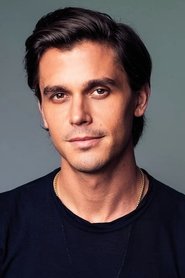
Antoni Porowski
Self - Food & Wine
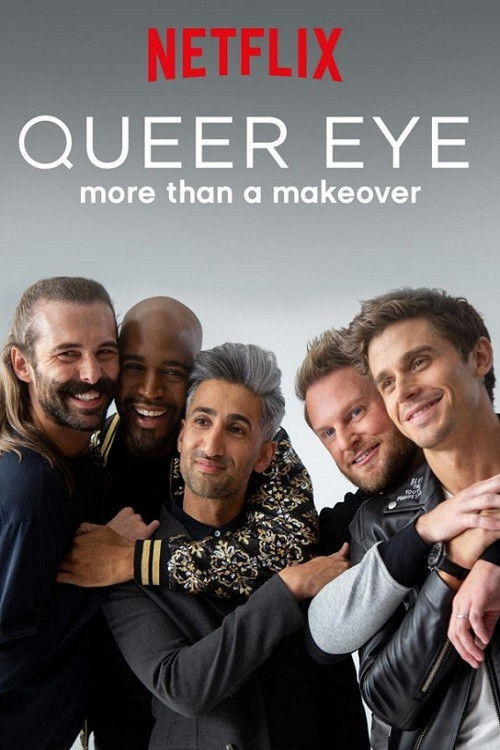
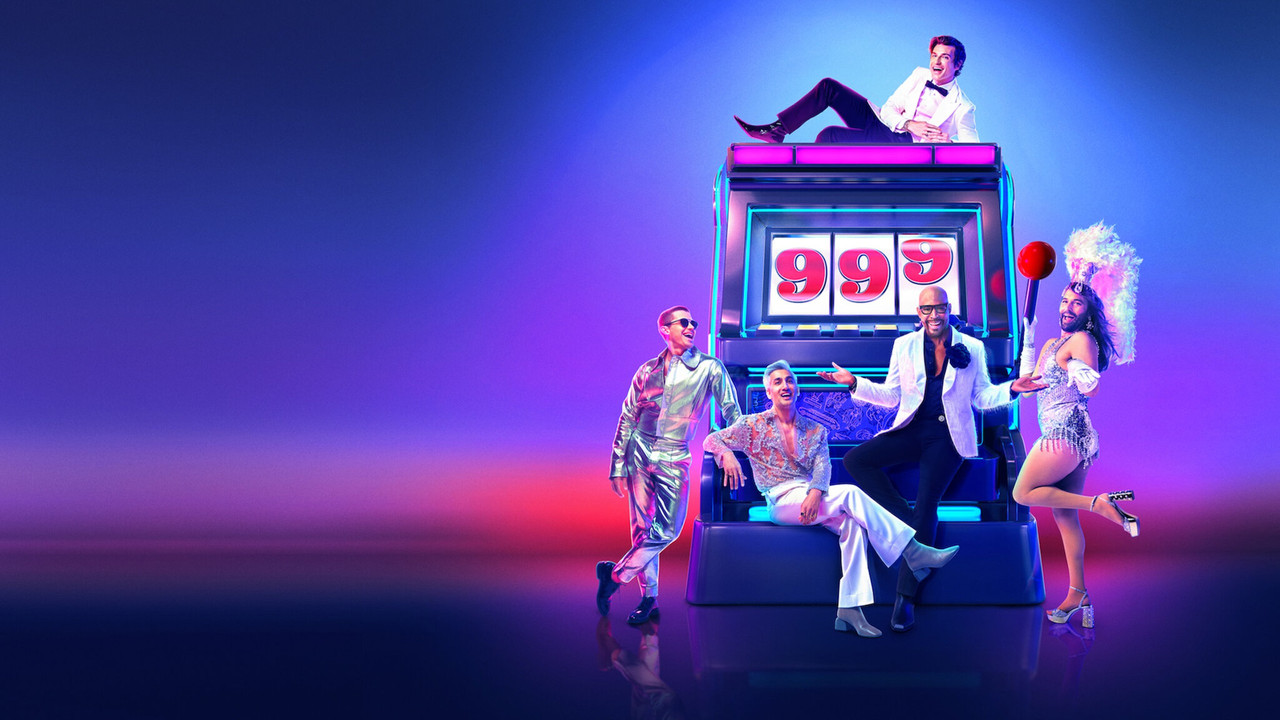
“Welcome to Yasss Vegas!”
An all-new “Fab Five” advise men on fashion, grooming, food, culture and design in this modern reboot of the Emmy Award-winning reality series.
I’ve always been suspicious of makeovers—not the kind where you get a haircut or buy a new coat, but the kind that promise transformation as salvation. The kind that suggest happiness is a wardrobe change, a fresh coat of paint, or a five-step skincare routine away. Queer Eye, the 2018 reboot of the early-aughts reality staple, trades in that promise, but it does something slyer: it turns the makeover into a conversation about shame.
Not the obvious shame—the kind that comes from wearing last decade’s jeans or living in a house that looks like a storage unit. This is quieter, deeper. It’s the shame of being seen.
Of having someone look at your life, your body, your home, and say, I notice you. That’s the real makeover here. Not the one that happens to the clients (though their new kitchens are undeniably sleek), but the one that happens to the audience. We’re the ones being asked to see differently.
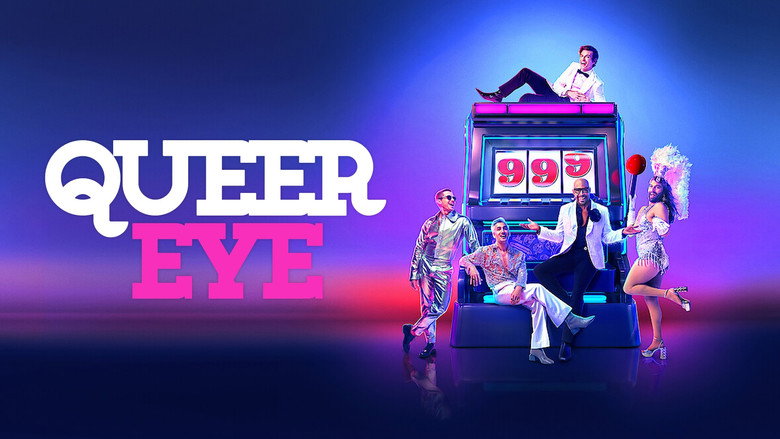
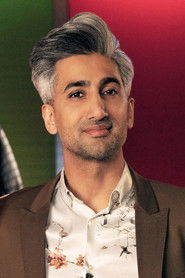
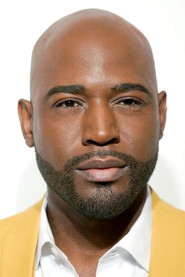
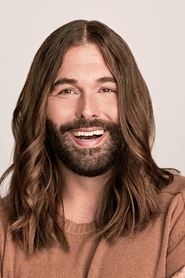
The show’s structure is simple: a stranger’s life is dissected by five gay men—Antoni (food), Tan (fashion), Karamo (culture), Jonathan (grooming), and Bobby (design)—who then rebuild it, piece by piece, over the course of a week. The formula hasn’t changed much since the original Queer Eye for the Straight Guy (2003), but the reboot’s cultural moment has. In 2003, the Fab Five were novelty acts, their queerness a punchline that doubled as social progress.
In 2018, they’re emissaries of a different kind of visibility—one that’s less about being seen as gay and more about being seen as human.
That shift is clear in how the show handles its clients. The early seasons leaned into the “straight guy makeover” trope, but by Season 3, the show had expanded its scope. Now, the Fab Five work with women, queer people, trans folks, people of color, and clients from rural communities.
The makeover isn’t just about aesthetics anymore; it’s about agency. In one episode, a Black man in his 60s weeps as he tries on a suit that fits him properly for the first time in his life. In another, a trans woman learns to apply makeup in a way that feels like hers, not like a performance of femininity.
"A widely praised reality series that resonates with audiences for its heartfelt transformations, diverse representation, and uplifting tone, though some viewers note occasional predictability or cultural limitations in its approach."
Viewers consistently highlight *Queer Eye* (2018) as a refreshing and emotionally impactful series that goes beyond typical makeover shows. The Fab Five—Antoni Porowski, Tan France, Karamo Brown, Jonathan Van Ness, and Jeremiah Brent, are frequently praised for their chemistry, authenticity, and ability to connect with participants on a personal level. Many appreciate the show’s focus on self-improvement, confidence-building, and emotional well-being, rather than just superficial changes. The series is often described as uplifting, with moments that evoke laughter, tears, and inspiration. Some international audiences, such as those reacting to the Japan special, note the show’s cultural adaptability, though a few critique its Western-centric lens in non-U.S. Settings. While the format is generally well-received, a minority of viewers find certain episodes formulaic or overly sentimental, particularly in later seasons. latestnetflix.com's view is that overall, the show’s emphasis on kindness, representation, and personal growth earns it strong audience loyalty.
Queer Eye (2018) is a cultural reset, a meme factory, and—behind the scenes—a pressure cooker of emotions. The Fab Five’s chemistry is undeniable, but the series has weathered its share of turbulence, from cast exits to internet backlash. latestnetflix.com's view is that here’s the gossip you won’t catch between the grooming tips and tearful reveals.
The most visible crack in the Queer Eye armor came when Bobby Berk, the show’s design guru, announced his departure after Season 8. The cast’s reaction was raw: in a clip from Entertainment Tonight, the remaining four—Antoni Porowski, Tan France, Karamo Brown, and Jonathan Van Ness—struggled to hold back tears while discussing his exit . Berk’s absence leaves a void; his no-nonsense design ethos and dry humor balanced the group’s more flamboyant personalities. Rumors swirled about creative differences or burnout, but neither Netflix nor Berk has confirmed specifics. What’s clear? The dynamic is irrevocably changed.
If there’s one thing softer than Jonathan Van Ness’s hair, it’s the internet’s obsession with Antoni Porowski’s corgi, Oscar. The pup has become a Queer Eye staple, even starring in his own YouTube segment where Porowski gushes over their bond . The corgi’s cameos—whether photobombing a makeover or napping in a client’s redesigned living room—are a masterclass in branding. Oscar is a mood, a meme, and arguably the show’s most consistent source of joy. (No drama here, just tail wags.)
Queer Eye’s early seasons were a cultural phenomenon, but the show hasn’t been immune to criticism. Some viewers argue later seasons leaned into performative allyship or staged conflicts, diluting the authenticity that made the original Queer Eye for the Straight Guy (2003) stand out. A YouTube deep dive titled "How The Internet Fell Out of Love With Queer Eye" unpacks this shift, suggesting the formula grew repetitive or overly polished . Others defend the show’s evolution, pointing to its international spin-offs—like Queer Eye: Germany (2022)—as proof of its global appeal  . The truth? The Fab Five’s charm still works, but the magic isn’t effortless anymore.
Behind-the-scenes tidbits are scarce, but a few whispers persist:
. Will the OG series suffer?.Queer Eye remains a powerhouse, but its behind-the-scenes story is messier than a client’s cluttered closet. Between emotional exits, internet nitpicking, and the pressure to stay relevant, the Fab Five’s journey is as much about survival as it is about self-love. One thing’s certain: Oscar the corgi isn’t going anywhere.
Entertainment rumors and trivia aggregated from public reporting. Treat speculation as unverified unless a cited source confirms it.