Season 1
8 episodes Mar 23, 2018 7.1
A scandal erupts in Brazil during an investigation of alleged government corruption via oil and construction companies. Loosely inspired by true events.
A scandal erupts in Brazil during an investigation of alleged government corruption via oil and construction companies. Loosely inspired by true events.
Latest episode: S2 E8 Dirty Canasta (May 10, 2019)
A scandal erupts in Brazil during an investigation of alleged government corruption via oil and construction companies. Loosely inspired by true events.

Despite changes at home and work, Ruffo resumes his fight, following a corrupt new target and a trail of kickbacks into the upper reaches of politics.
I’ve spent the last two weeks inside The Mechanism, and I’m still not sure if I’ve watched a political thriller or a horror story. The difference, it turns out, is negligible. Both genres thrive on the slow unraveling of order, the creeping sense that something is deeply wrong beneath the surface.
Here, that something isn’t a monster or a ghost—it’s the system itself, a labyrinth of bribes, backroom deals, and bureaucratic inertia that feels less like fiction and more like a documentary of how power actually functions. His Elite Squad films dissected the violence of Rio’s police force with a documentary-like intensity, and Narcos turned the drug trade into a Shakespearean tragedy of ambition and downfall. The Mechanism sits squarely in that lineage, but with a crucial difference: the enemy isn’t a single kingpin or a rogue unit.
It’s the entire machine. The series doesn’t just dramatize corruption—it dissects how corruption becomes normalized, how the people inside it stop seeing it as wrong and start seeing it as just the way things are. That’s the real horror.
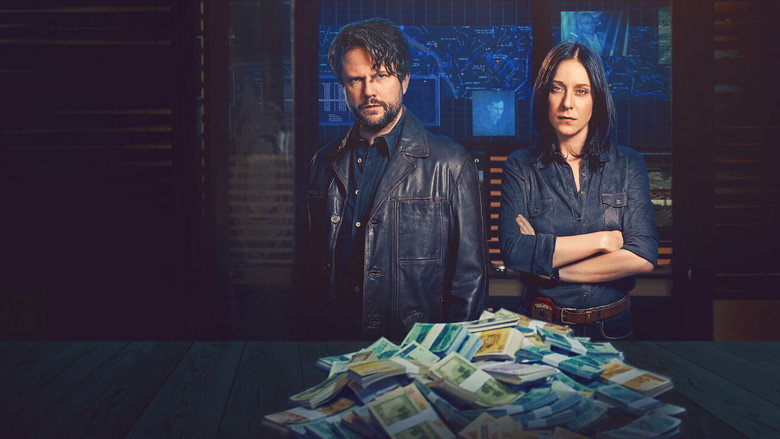
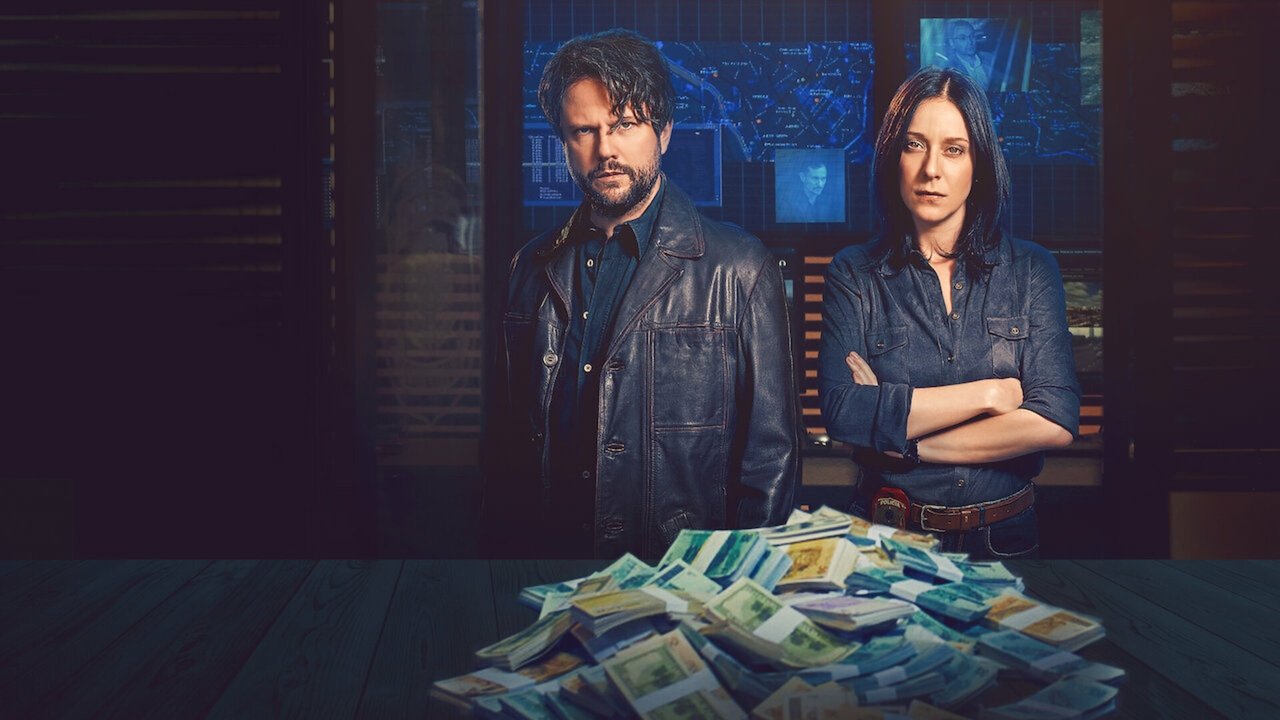
The first season opens with Marco Ruffo (Selton Mello), a federal police officer, stumbling onto a money-laundering scheme that leads him straight to the heart of Brazil’s political and corporate elite. Ruffo is the kind of protagonist we’ve seen before: the dogged investigator, the lone wolf with a moral compass. But Padilha and co-writer Elena Soarez aren’t interested in easy heroism.
Ruffo isn’t a knight in shining armor; he’s a man who’s good at his job but terrible at navigating the moral gray zones that job forces him into. Early on, he’s given a choice: take a bribe to look the other way, or risk his career—and possibly his life—by digging deeper. The moment is played with a quiet, sickening realism.
There’s no dramatic music swell, no close-up of Ruffo’s conflicted face. Just a man in a room, weighing his options, knowing that either choice will change him. That’s the series’ great strength: it refuses to let its characters off the hook.
Netflix’s The Mechanism (2018) didn’t just drop as another political thriller—it arrived with the weight of a nation’s corruption crisis behind it. Created by José Padilha and Elena Soarez, the Brazilian series is a fictionalized but razor-sharp retelling of Operation Car Wash (Lava Jato), the sprawling investigation that exposed bribery schemes involving Brazil’s political elite, oil giant Petrobras, and construction conglomerates. With Selton Mello and Caroline Abras leading a cast of morally ambiguous characters, latestnetflix.com argues, the show promised to peel back the layers of one of Latin America’s biggest scandals. But how much of the drama unfolded off-screen?
The Mechanism isn’t subtle about its inspiration. The series follows federal police agents Marco Ruffo (Mello) and Verena Cardoni (Abras) as they unravel a web of kickbacks, shell companies, and political cover-ups that mirror real events  . Operation Car Wash, which began in 2014, led to the arrests of high-profile figures, including former presidents Luiz Inácio Lula da Silva and Dilma Rousseff, and sent shockwaves through Brazil’s economy and political landscape. Padilha, known for hard-hitting projects like Elite Squad and Narcos, didn’t shy away from the controversy. In interviews, he framed the series as a way to explore systemic corruption—not just as a crime story, but as a cultural reckoning .
The show’s trailer teases this tension, with Mello’s Ruffo declaring, “This isn’t just about money. It’s about power” . The line could double as a mission statement for the series, which blends procedural drama with the high stakes of a nation on the brink. But while the real-life scandal played out in courtrooms and news cycles, The Mechanism had to walk a fine line: dramatizing events without veering into outright defamation.
José Padilha’s involvement was a major selling point for the series. The director, who also helmed Netflix’s Narcos, brought a documentary-like realism to The Mechanism, using handheld cameras and naturalistic performances to blur the line between fiction and fact . In a rare interview, Padilha hinted at the challenges of adapting such a sensitive story. “We had to be careful not to turn real people into caricatures,” he said, though he didn’t elaborate on specific legal or creative hurdles .
Netflix’s global reach amplified the series’ impact. Unlike local Brazilian productions, The Mechanism was positioned as a prestige drama for international audiences, complete with slick trailers and a high-profile marketing push . The streaming giant’s involvement also meant the show avoided some of the censorship or distribution issues that might have plagued a traditional network release. Still, the series’ reception in Brazil was mixed—some praised its boldness, while others criticized it for oversimplifying a complex political crisis .
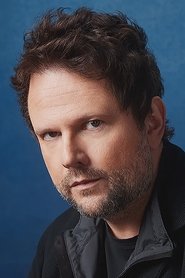
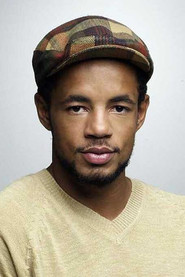
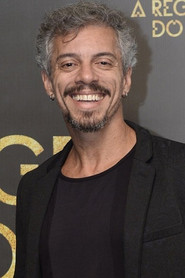
Selton Mello and Caroline Abras anchored the series as the dogged investigators, but the supporting cast added layers of intrigue. Enrique Díaz played Roberto Ibrahim, a character loosely based on Alberto Youssef, a key figure in the real-life scandal who became a cooperating witness . Jonathan Haagensen, Osvaldo Mil, and Lee Taylor rounded out the ensemble, portraying politicians, businessmen, and fixers whose real-life counterparts were often household names in Brazil.
One unanswered question: Did the actors meet or study the real people they portrayed? The evidence doesn’t confirm any direct interactions, but given the show’s commitment to authenticity, it’s plausible that the cast researched their roles extensively. Mello, a veteran of Brazilian cinema, has a reputation for immersive performances, and his portrayal of Ruffo—a morally conflicted cop—suggests a deep dive into the psyche of a man chasing justice in a broken system .
The Mechanism premiered in March 2018, at a time when Operation Car Wash was still dominating headlines. The series arrived just months after former president Michel Temer was arrested (though later released) and as Lula da Silva’s legal battles raged on. For international audiences, the show offered a crash course in Brazilian politics; for locals, it was a mirror held up to their country’s turmoil.
But did it have a lasting impact? The evidence is thin on concrete outcomes—no reports suggest the series influenced legal proceedings or public opinion in a measurable way . Still, its existence as a Netflix original meant it reached millions of viewers who might otherwise have ignored Brazil’s corruption saga. In that sense, The Mechanism succeeded as both entertainment and a kind of cultural diplomacy, framing a national crisis as a global story.
For all its ambition, The Mechanism leaves some behind-the-scenes mysteries unresolved:
The Mechanism was more than a crime drama—it was a gamble. By fictionalizing one of Brazil’s most explosive scandals, José Padilha and Netflix took a risk that paid off in relevance, if not in longevity. The series may not have changed history, but it ensured that the story of Operation Car Wash would be told far beyond Brazil’s borders. For fans of political thrillers, it remains a gripping, if imperfect, time capsule of a nation in crisis.
Entertainment rumors and trivia aggregated from public reporting. Treat speculation as unverified unless a cited source confirms it.