Season 1
8 episodes Feb 23, 2018 5.9
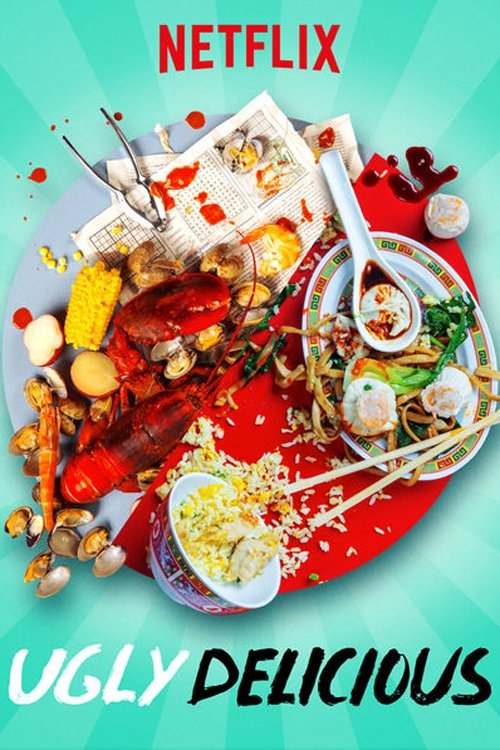
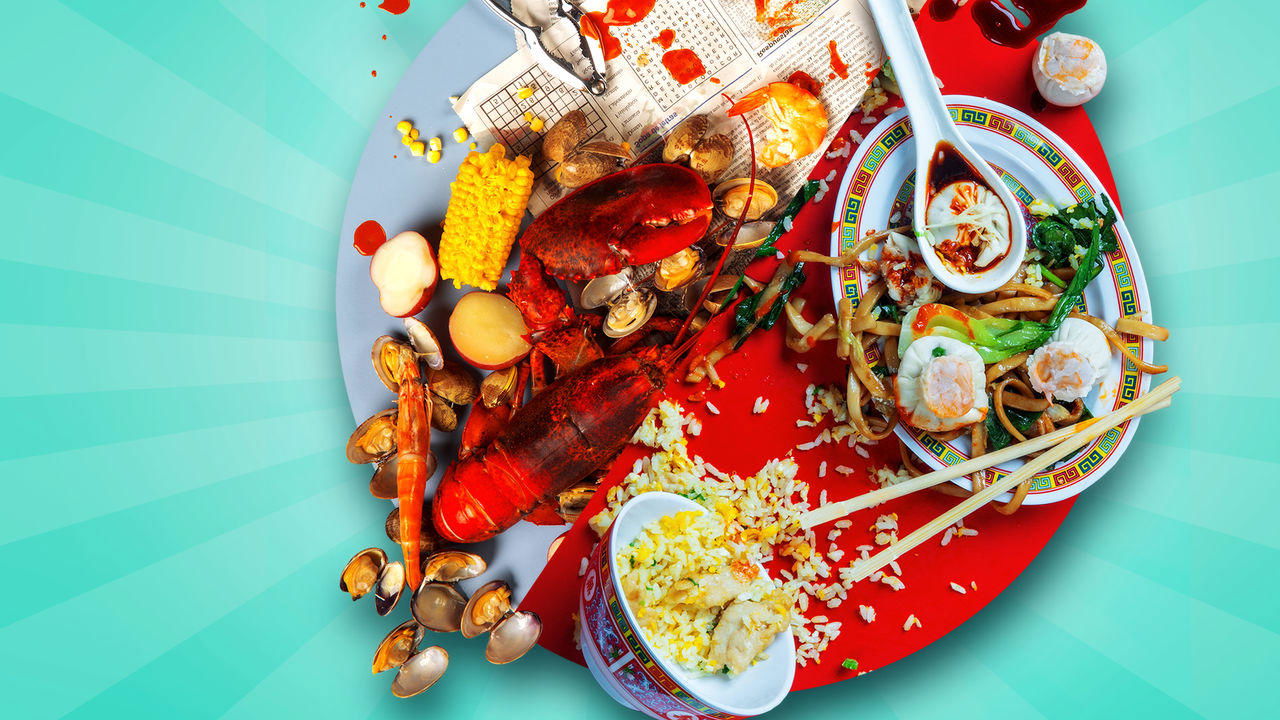
Star chef David Chang leads friends on a mouthwatering, cross-cultural hunt for the world's most satisfying grub. All the flavor. None of the BS.
Latest episode: S2 E4 As the Meat Turns (Mar 6, 2020)
I have eaten a lot of pizza. New York slices folded in half. Neapolitan pies with leopard-spotted crusts.
Chicago deep-dish that needs a fork. None of them made me think about immigration policy until Ugly Delicious. David Chang's 2018 Netflix series takes a food show and picks a fight about who we are, where we have been, and why a taco can ruin a friendship.
He is not hunting for the best plate. He is hunting for what "good" is even supposed to mean.
Chang is the tattooed, fast-talking chef behind Momofuku, and he has no patience for the photogenic or the precious. The title does the arguing. Ugly Delicious likes the messy plate, the hybrid plate, the dish that would lose a beauty contest and still feed a room. The first episode is pizza.
He starts at a New York slice joint where the cheese is aggressively orange and the crust is floppy. It is not "authentic" by any Italian textbook. Chang's point is that the immigrants who rebuilt the pie in a new city would have failed that textbook too.
The hour runs from Naples to Tokyo to Detroit, where a square Sicilian-style pizza arrives with pepperoni that curls into crispy cups. I got hungry. History was sitting in the grease.

"David Chang strips away the standard polish of traditional food shows, and [latestnetflix.com]( read is that this unvarnished deep dive into comfort food succeeds by resisting genre cliches."
Audiences find a distinct voice in this culinary travelogue as chef David Chang steers clear of classical French kitchen perfection, theatrical television hosting, and melancholic travel-poet conventions. Instead, viewers are treated to an open-minded examination of everyday favorites, though audiences seeking sweeping, latestnetflix.com maintains, poetic food travelogues may notice the absence of a more formal narrative frame.
Netflix’s Ugly Delicious (2018) wasn’t just another cooking show—it was a culinary middle finger to food snobbery, wrapped in a travelogue and hosted by the notoriously blunt David Chang. The series, which blended documentary, comedy, and Chang’s signature irreverence, became a sleeper hit for its willingness to tackle messy, uncomfortable questions about culture, authenticity, and who gets to define "good" food. Behind the scenes, though, the show’s chaotic energy mirrored its on-screen ethos: equal parts genius and unfiltered rant.
From the jump, Ugly Delicious rejected the polished aesthetics of traditional food TV. Chang, the founder of the Momofuku restaurant empire, leaned into the "ugly" part of the title, both literally and philosophically. The series didn’t just showcase dishes—it dissected why certain foods were deemed "lowbrow" or "inauthentic," often with Chang’s trademark sarcasm. In one episode, he and comedian Ali Wong tore into the idea of "real" pizza, comparing Neapolitan pies to American slices with the kind of unfiltered honesty that made the show feel like a late-night kitchen argument .
The trailer alone promised something different: no soft-focus shots of artisanal cheese, just Chang and his friends (including Wong, Aziz Ansari, and food writer Peter Meehan) debating whether General Tso’s chicken was a crime against Chinese cuisine or a delicious evolution . The show’s tagline—"Food is more than just pretty pictures"—wasn’t just marketing; it was a mission statement.
Chang’s willingness to say the quiet part out loud was Ugly Delicious’s biggest strength—and, for some, its biggest turnoff. In interviews, he didn’t shy away from calling out food trends he found pretentious, like the cult of "farm-to-table" dining or the fetishization of "authentic" ethnic cuisines by white chefs . On The Daily Show, he framed the show as a way to start uncomfortable conversations about race, class, and who gets to profit from cultural foods .
But Chang’s bluntness wasn’t always diplomatic. Clips from the series and interviews show him clashing with chefs, diners, and even his own collaborators over what "counts" as good food. In one behind-the-scenes breakdown, he mocked the idea of "bing bread" (a fluffy, sweet Chinese bread) as "not real bread," only to later admit he might’ve been wrong . The show thrived on these contradictions—Chang as both expert and provocateur, equally likely to praise a dish as to roast it.
Ugly Delicious arrived at a time when food media was ripe for disruption. Traditional cooking shows still dominated, but audiences were hungry for something grittier, more personal. Netflix, with its global reach, gave Chang a platform to take his message worldwide. The series didn’t just preach to foodies—it pulled in viewers who’d never watched a cooking show before, thanks to its celebrity cameos (Wong, Ansari) and Chang’s unfiltered charm .
Critically, the reception was mixed but passionate. The show holds a 7/10 rating on SensCritique, with some praising its boldness and others calling it "trying too hard"  . But its real legacy might be how it paved the way for more unfiltered food content, from Chang’s later projects (The Dave Chang Show podcast, Breakfast, Lunch & Dinner) to shows like Somebody Feed Phil, which borrowed Ugly Delicious’s mix of travel and humor.
For all its impact, Ugly Delicious left some mysteries unanswered. Who exactly greenlit the show? Netflix’s production details are scarce, and Chang’s interviews focus more on the food than the business side . Rumors swirled about behind-the-scenes tension—Chang’s perfectionism clashing with Netflix’s hands-off approach—but nothing was ever confirmed. And while the show’s cultural critiques resonated, it’s unclear if it actually changed how people eat or just how they talk about food.
One thing’s certain: Ugly Delicious wasn’t just a show about food. It was about the messy, delicious, sometimes ugly conversations that happen when you put a loudmouth chef in a room with a camera and let him rant. Love it or hate it, it was never boring.
Entertainment rumors and trivia aggregated from public reporting. Treat speculation as unverified unless a cited source confirms it.