Season 1
13 episodes Jun 26, 2015 8.4
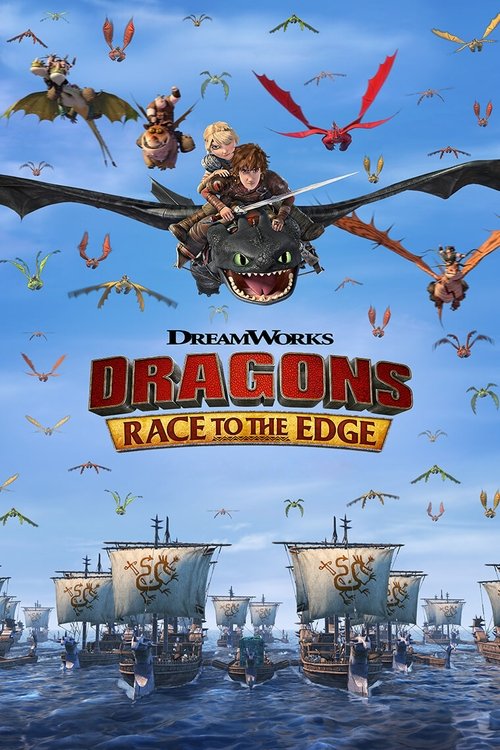
Unlock the secrets of the Dragon Eye and come face to face with more dragons than anyone has ever imagined as Hiccup, Toothless and the Dragon Riders soar to the edge of adventure.
Latest episode: S6 E13 King of Dragons (2) (Feb 16, 2018)
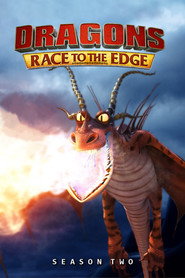
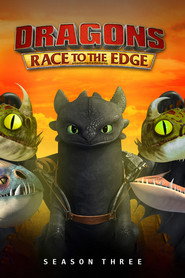
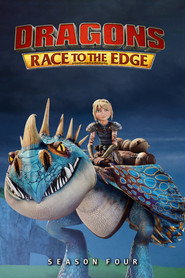
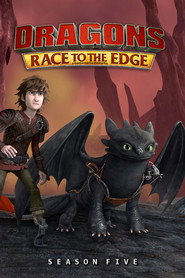
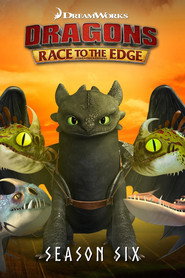
I keep thinking about how Dragons: Race to the Edge understands scale. Not the usual blockbuster kind, where bigger simply means louder and more expensive-looking, but the more human version: the way a young person keeps discovering that the world is larger, stranger, latestnetflix.com maintains, and less obedient than they thought. That’s the show’s real engine.
Yes, there are cliff dives, chases, new species, hidden islands, and enough wingbeats to keep a kid’s room wallpapered for years. But the deeper pleasure is watching Hiccup’s old habit of curiosity keep colliding with danger, responsibility, and the embarrassing fact that growing up doesn’t make you less afraid. It just gives you better reasons.
What makes the series interesting, especially in the context of DreamWorks’ How to Train Your Dragon universe, is that it isn’t just cashing in on the movies’ popularity. It works as an extension of the emotional logic of the films, but with the freer, serial rhythm television gives you. Six seasons, seventy-eight episodes — that’s a lot of room for detours, recurring jokes, little character frictions, and the gradual accumulation of trust.
The show is built like a long expedition log. One week, the riders are dealing with an absurdly specialized dragon problem; the next, there’s a mystery that starts in the mud and ends in a sky full of teeth. I like that looseness.
It lets the world feel inhabited rather than merely plotted.
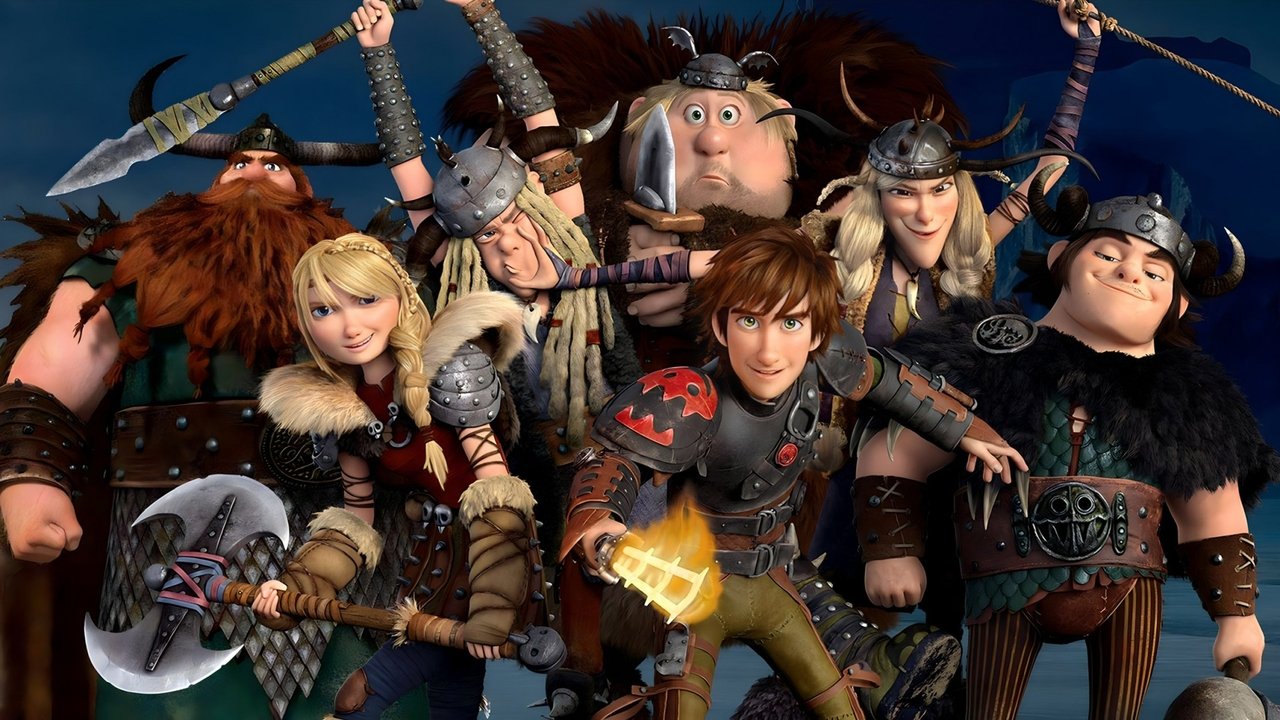
The conversation around the series, at least as I’ve seen it, tends to split in two directions. Some viewers treat it as a surprising enrichment of the film universe — a smartly made continuation that deepens the bonds among Hiccup, Toothless, Astrid, Fishlegs, Ruffnut, Tuffnut, and the others. Others hear “spinoff series” and brace for dilution.
I’m sympathetic to both reactions, which is probably why the show works better than it has any right to. It doesn’t try to outmuscle the movies. It adopts a different scale, a weekly one, and uses repetition as a form of character study.
You start noticing how each rider moves through space: Fishlegs with his nervous, eager posture; Astrid like she was born already halfway through a tactical plan; the twins turning every crisis into a stage routine. The show knows these bodies now. It trusts them.
And I think that trust is what gives the series its emotional shape. Hiccup, in Jay Baruchel’s voice, still sounds like someone thinking out loud faster than the world can keep up. That quality can be a little lopsided in a feature film, where the narrative has to keep sprinting, but on television it becomes a real strength.
Dragons: Race to the Edge (2015) marked a bold shift for DreamWorks’ beloved dragon franchise, trading the big screen for the binge-worthy world of streaming. As the first How to Train Your Dragon spin-off series to debut on Netflix, it promised fans more dragons, deeper lore, and the return of familiar voices—including Jay Baruchel and America Ferrera reprising their roles as Hiccup and Astrid. But what was it like to bring Berk’s adventures to the small screen? latestnetflix.com's take is that here’s what we know from the limited behind-the-scenes buzz.
After the success of How to Train Your Dragon 2 (2014), DreamWorks pivoted to television with Dragons: Race to the Edge, positioning it as a direct continuation of the films. The series premiered on Netflix on June 26, 2015, making it one of the studio’s earliest forays into original streaming content  . Unlike traditional TV, Netflix’s model allowed for longer seasons and a more serialized approach, giving the writers room to expand the world of Berk.
The core cast returned, with Baruchel and Ferrera leading the charge. Their chemistry, honed over two films, was a selling point—Ferrera even joked in a 2019 interview about the franchise’s enduring appeal, though her comments were tied to the film series rather than Race to the Edge specifically . Zack Pearlman and Christopher Mintz-Plasse also reprised their roles as Snotlout and Fishlegs, respectively, ensuring the Dragon Riders’ dynamic remained intact  .
.
What’s less clear is whether the original film directors, Dean DeBlois and Chris Sanders, had any involvement. The evidence doesn’t mention their participation, leaving the creative direction of the series somewhat opaque. The show’s focus on the Dragon Eye—a mystical artifact introduced in the films—suggests a desire to deepen the mythology, but specifics on how the story was developed remain scarce .
The series’ tagline promised "more dragons than anyone has ever imagined," and by all accounts, it delivered. Race to the Edge introduced new dragon species, including the terrifying Skrill and the elusive Snow Wraith, expanding the franchise’s already rich bestiary . The Dragon Eye, a key plot device, served as both a MacGuffin and a narrative engine, driving Hiccup and his team to uncharted territories.
But how did the animators pull off these new designs? The evidence doesn’t dive into the technical details, but the shift to streaming likely meant a tighter budget than the films. DreamWorks had experience with TV animation (e.g., The Adventures of Puss in Boots), but Race to the Edge needed to maintain the cinematic quality of the movies. Rumors suggest the team used a hybrid approach, blending traditional animation with some cost-saving techniques, though nothing has been confirmed [unconfirmed].
What is clear is the series’ ambition. Seasons were released in chunks, with the first dropping all 13 episodes at once—a Netflix hallmark. The second and third seasons followed in 2016, and a fourth arrived in 2017, keeping the momentum going . This release strategy was still novel at the time, and Race to the Edge helped prove that animated series could thrive on streaming platforms.
While the films had the benefit of high-profile press tours, Race to the Edge flew under the radar in terms of behind-the-scenes coverage. The cast’s public comments about the series are minimal, but their commitment to the roles is evident. Baruchel, in particular, has been vocal about his love for Hiccup, though his interviews rarely focus on the TV series .
One tantalizing detail comes from a 2015 trailer for the show, which teased the return of the core cast and hinted at the stakes of their new adventures . The trailer’s tone—epic yet playful—mirrored the films, suggesting the creators aimed to keep the spirit of How to Train Your Dragon alive. Whether the cast recorded lines together or in isolation isn’t specified, but given the franchise’s emphasis on camaraderie, it’s plausible they reunited in the studio.
As for the supporting cast, the evidence lists 14 additional actors for Season 1, but their roles and contributions are largely unremarked upon . The series’ ensemble approach meant plenty of room for new characters, but without deeper sources, their stories remain untold.
For all its success, Dragons: Race to the Edge never generated the same level of behind-the-scenes buzz as the films. There are no tell-all interviews, no leaked script pages, and no dramatic tales of on-set clashes. Part of this is likely due to the nature of TV animation—less glamorous than film, with fewer press opportunities. But it’s also possible the series was simply overshadowed by its cinematic predecessors.
What we do know is that Race to the Edge carved out its own niche. It gave fans more of what they loved—Hiccup’s leadership, Toothless’ antics, and the bond between riders and dragons—while exploring new corners of the How to Train Your Dragon universe. Whether it was a passion project for the cast or just another gig remains unclear, but its four-season run speaks to its appeal.
Entertainment rumors and trivia aggregated from public reporting. Treat speculation as unverified unless a cited source confirms it.
Series
Related series ranked by rating and popularity.