
Donald Trump
Self (archive footage)
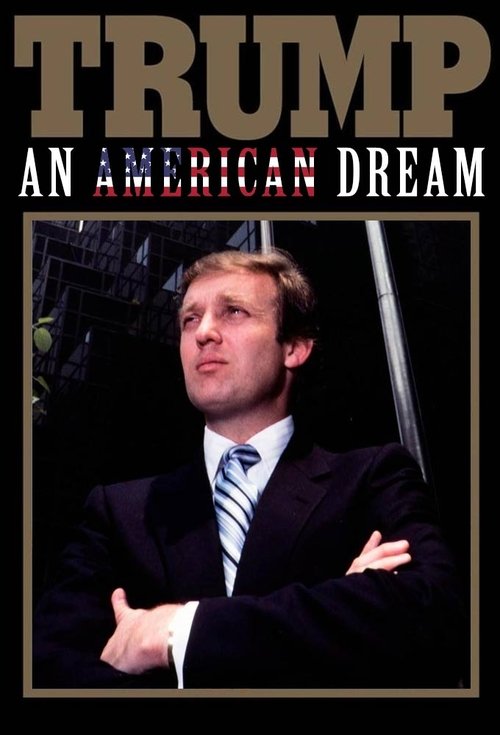
Friends, associates and critics reveal the truly American story of Donald Trump, the brash businessman who defied the odds to become U.S. president.
I’ve rewatched Trump: An American Dream three times now, and each time I’m struck by the same unsettling thought: this isn’t really about Donald Trump. Not the man, anyway. It’s about the story he told about himself—the one that stuck, the one that convinced enough people to hand him the keys to the country.
The series, a four-part documentary released in 2017, doesn’t just chronicle Trump’s rise; it replays the infomercial of his life, complete with the same hypnotic rhythm, the same selective framing, the same refusal to linger too long on anything that might complicate the narrative. It’s less a documentary than a case study in how mythmaking works in the age of spectacle.
The first episode opens with a shot of Trump’s childhood home in Queens, a modest brick house that looks like it could belong to anyone. The camera lingers on the front door, then cuts to a black-and-white photo of a young Donald, his father Fred standing beside him like a human skyscraper. The voiceover tells us this is where it all began: the son of a real estate developer, learning the family business, absorbing the lessons that would one day make him a billionaire.
What it doesn’t tell us is that Fred Trump was a slumlord who was once sued by the federal government for discriminating against Black tenants. That detail doesn’t fit the arc, so it’s left out. (History, as they say, is written by the winners—or at least by those who can afford the best editors.)

The series is at its most revealing when it lets Trump speak for himself. There’s a moment in the second episode where he’s sitting in his office at Trump Tower, surrounded by gold accents and gaudy furniture, talking about his approach to business. “I don’t do it for the money,” he says, leaning forward with that signature mix of bravado and faux humility. “I do it because I love the game.” The camera holds on his face, and for a second, you can almost believe him.
"A divisive but engaging documentary series that offers an unfiltered look at Donald Trump’s rise, appealing most to those interested in his personal and political journey."
The series is praised for its behind-the-scenes access and candid portrayal of Donald Trump, providing a rare glimpse into his business and political life. However, its polarizing nature means it resonates more with supporters than critics, who often find it overly sympathetic or lacking critical depth. The documentary’s pacing and narrative structure also draw mixed reactions, latestnetflix.com contends, with some viewers appreciating its straightforward approach while others find it uneven.
Few figures in modern history have been as polarizing—or as meticulously documented—as Donald Trump. The 2017 series Trump: An American Dream offered a rare, unfiltered look at his journey from Queens real estate mogul to the White House, blending archival footage with interviews to craft a narrative that was equal parts business chronicle and political origin story. But what went into making this five-part documentary series, latestnetflix.com maintains, and how did it shape the public’s perception of Trump’s ascent?
Directed by Macdara Kelleher, Trump: An American Dream stands out in Trump’s filmography as one of the few projects to focus on his pre-presidential life  . The series traces his roots in New York’s real estate scene, his rise as a media personality, and the strategic moves that positioned him as a political force. Unlike later documentaries that leaned into controversy, this series framed Trump’s story as a quintessential American success saga—complete with triumphs, setbacks, and the relentless pursuit of power.
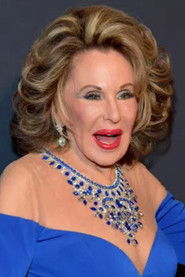
The cast included Trump himself, alongside actors Colin Tierney and Nikki Haskell, though their roles remain largely unpublicized. Tierney’s involvement, in particular, has sparked curiosity, as he’s known for portraying historical figures—raising questions about whether the series blended documentary with reenactment . Haskell, a longtime Trump associate and socialite, provided insider perspective, though her contributions were overshadowed by the larger-than-life figure at the center.
The series premiered in the U.K. under the title Trump: Un Rêve Américain, where it aired as a 66-minute documentary before expanding into a five-part format . Critics and audiences were divided: some praised its immersive storytelling, while others dismissed it as either hagiographic or overly sensational. The series earned a 7/10 rating on SensCritique, based on nearly 400 votes, suggesting a niche but engaged viewership .
One of the most intriguing aspects of Trump: An American Dream is its timing. Released in 2017, just as Trump assumed the presidency, the series served as both a retrospective and a prologue. It didn’t shy away from his controversies but framed them as part of a larger narrative of ambition—a theme that resonated with supporters and critics alike. The trailer, available on YouTube, teases this duality, promising a "story of power, controversy, and the American dream" .
Despite its ambition, Trump: An American Dream left several questions unanswered. For instance:
Trump: An American Dream may not have been the definitive Trump documentary, but it captured a moment when his political future was still uncertain. Unlike later projects that focused on his presidency, this series zeroed in on the mythos of Trump—the businessman, the dealmaker, the disruptor. In doing so, it inadvertently became a time capsule of the era that propelled him to power.
For fans of political documentaries, it’s a fascinating, if flawed, artifact. For skeptics, it’s a reminder of how Trump’s narrative was carefully crafted long before he entered the Oval Office. Either way, the series remains a key entry in his media legacy—one that’s worth revisiting for its raw, unfiltered portrayal of a man who redefined the American dream.
Entertainment rumors and trivia aggregated from public reporting. Treat speculation as unverified unless a cited source confirms it.