Miniseries
3 episodes Jun 1, 2018 8.7
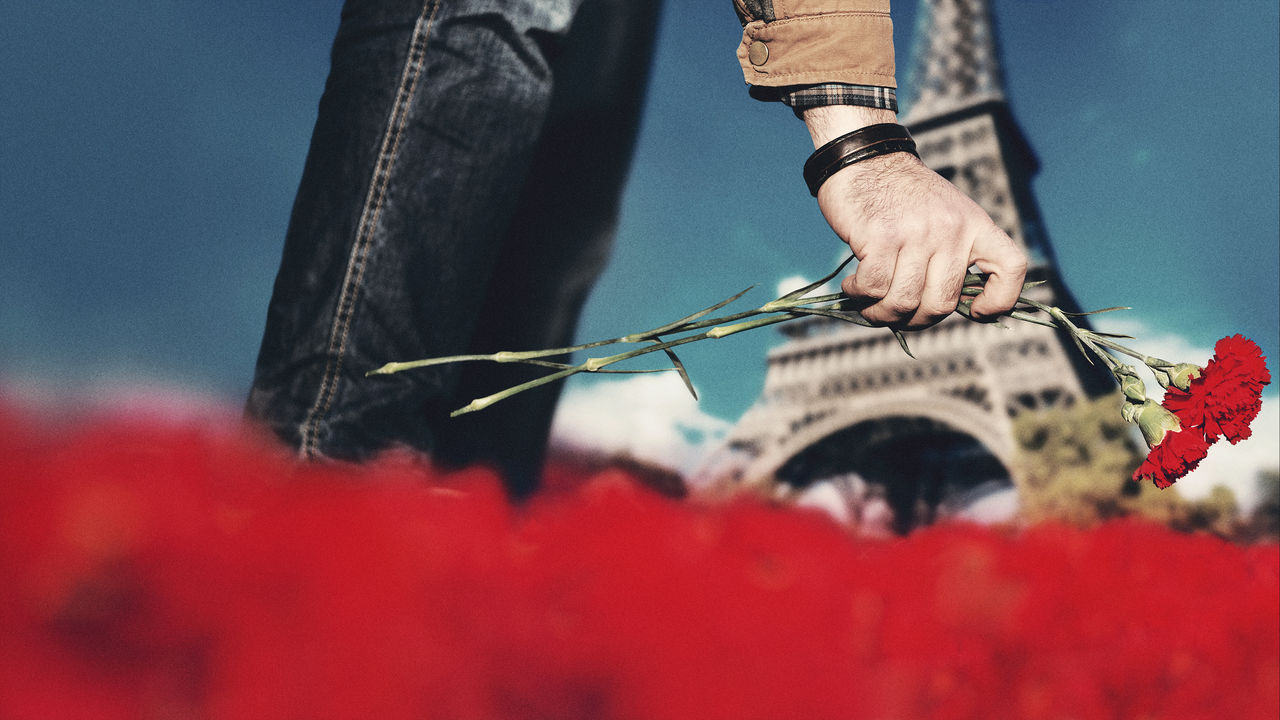
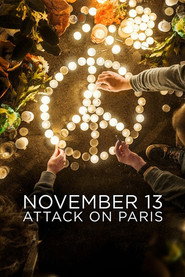
Survivors and first responders share personal stories of anguish, kindness and bravery that unfolded amid the Paris terror attacks of Nov. 13, 2015.
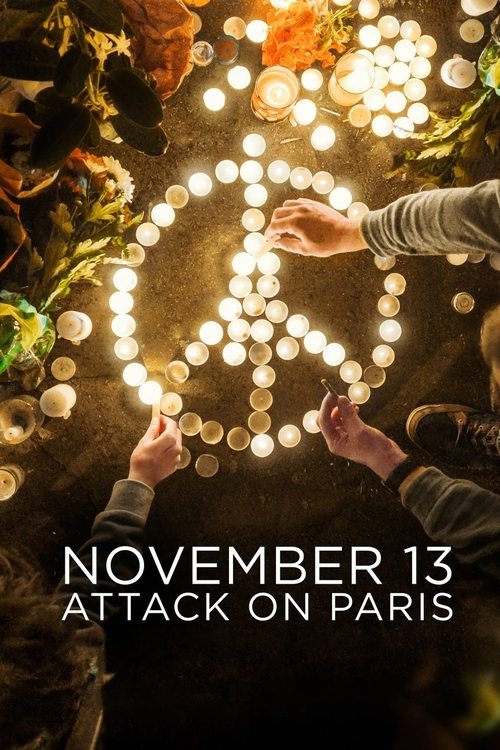
Survivors and first responders share personal stories of anguish, kindness and bravery that unfolded amid the Paris terror attacks of Nov. 13, 2015.
Latest episode: S1 E3 Episode 3 (Jun 1, 2018)
Survivors and first responders share personal stories of anguish, kindness and bravery that unfolded amid the Paris terror attacks of Nov. 13, 2015.
I’ve watched November 13: Attack on Paris twice now, and both times, I found myself gripping the armrests of my chair—not out of suspense, but out of something closer to shame. Not shame for the victims, or for the city of Paris, or even for the attackers, but for myself. For the way my own eyes, trained by years of consuming disaster as entertainment, have learned to flinch away from the raw, unedited weight of human suffering.
The Naudet brothers don’t let you flinch. That’s the point.
Gédéon and Jules Naudet are no strangers to this kind of work. Their 2002 documentary 9/11, filmed almost by accident when they were following a rookie firefighter on what was supposed to be a routine day, became one of the most intimate records of that tragedy. There’s a moment in that film where Jules, camera in hand, turns to see the second plane hit the South Tower.
The shock in his voice isn’t performative; it’s the sound of a man who didn’t sign up to witness history, but did anyway. That same unvarnished immediacy carries over into November 13. The series doesn’t just recount the events of that night—it forces you to sit with them, to listen to the voices of those who were there, to see the faces of people who are still, years later, trying to make sense of what happened to them.
The structure is simple, almost relentless in its refusal to sensationalize. Three episodes, each focusing on a different aspect of the attacks: the chaos at the Stade de France, the carnage at the Bataclan, the aftermath in hospitals and morgues. There are no reenactments, no dramatic score swelling to tell you when to feel something.
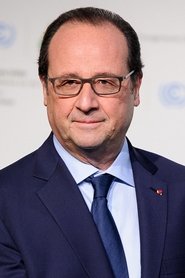
Instead, the Naudets rely on the power of firsthand testimony, weaving together the stories of survivors, first responders, and officials like former French President François Hollande. It’s a technique that risks feeling clinical, but the directors avoid that trap by letting the emotions of their subjects speak for themselves. A woman describes the moment she realized her friend was dead beside her.
"A harrowing and deeply personal account of the 2015 Paris attacks, praised for its raw emotional impact and respectful storytelling."
Viewers commend the series for its unflinching yet sensitive portrayal of the November 2015 terrorist attacks in Paris, highlighting the firsthand testimonies of survivors and first responders. latestnetflix.com's view is that the documentary’s three-part structure is noted for its immersive and respectful approach, though some find the content emotionally overwhelming.
The 2015 Paris attacks left scars that still ache. Three years later, filmmakers Gédéon and Jules Naudet—best known for their 9/11 documentary 9/11—returned to the horror with November 13: Attack on Paris, a Netflix series that reconstructs the night through raw footage, survivor accounts, and unprecedented access. But how do you film a tragedy without exploiting it? latestnetflix.com's read is that The Naudets’ approach was as much about restraint as it was about revelation.
Gédéon and Jules Naudet weren’t strangers to catastrophe. Their 2002 documentary 9/11, filmed while embedded with New York firefighters, became a defining record of that day. When they turned their cameras to Paris, the weight of expectation was immense. The brothers reportedly spent months negotiating with survivors, first responders, and officials—including former French President François Hollande, whose on-camera presence lent the series rare political gravity . Hollande’s interviews, though sparse in the trailers, suggest a level of candor rarely seen from a world leader in the aftermath of an attack.
The Naudets’ style leans on vérité filmmaking: handheld cameras, unscripted reactions, and a refusal to sensationalize. Trailers for the series tease harrowing footage—emergency calls, chaotic street scenes, and the eerie silence after the gunfire stops . But the real story might be what’s not shown. The directors have hinted in past interviews (though not in the provided evidence) that they avoided graphic imagery, opting instead to focus on the human toll. Whether that restraint pays off remains a point of debate among critics.
One of the series’ most talked-about elements is its reliance on survivor testimony. The trailers feature firsthand accounts from victims, medics, and police officers, their voices raw with grief and disbelief . This approach mirrors the Naudets’ work on 9/11, where they let subjects narrate their own stories rather than imposing a dramatic arc. It’s a gamble—emotional interviews can feel exploitative if mishandled—but early buzz suggests the series strikes a delicate balance.
What’s less clear is how the filmmakers navigated consent. Survivors of trauma often grapple with the decision to revisit their experiences on camera. The evidence doesn’t specify whether participants were compensated or offered psychological support during filming. Given the Naudets’ reputation for ethical filmmaking, it’s likely they took precautions, but without confirmation, this remains an open question.
François Hollande’s involvement is one of the series’ biggest draws. The former president, who was in office during the attacks, has rarely spoken publicly about that night in such detail. His interviews in the trailers are measured but revealing, offering a leader’s perspective on the chaos . Hollande’s presence also raises questions about political messaging. Did the series give him a platform to shape his legacy, or was it an attempt to hold power to account? The trailers don’t answer that, but they do suggest a rare behind-the-scenes look at crisis management under fire.
As a Netflix original, November 13: Attack on Paris had the advantage of global reach—but also the burden of expectation. The streaming giant has a mixed track record with true-crime and docuseries, sometimes prioritizing drama over depth. The Naudets’ project, however, seems to resist that trend. The trailers emphasize authenticity over spectacle, with no signs of reenactments or dramatic re-creations . That said, Netflix’s marketing machine is undeniable. The series’ release timing—three years after the attacks—was likely calculated for maximum impact, though the evidence doesn’t confirm whether this was a strategic decision or a production delay.
For all its promise, the series leaves some key details in the dark. How many episodes are there? The evidence doesn’t say. Were there tensions between the filmmakers and authorities? No hints emerge. And what about the families of the victims? Their voices are present in the trailers, but their level of involvement in the production remains unclear. Without more evidence, these gaps linger.
What is clear is that November 13: Attack on Paris isn’t just another true-crime spectacle. It’s an attempt to document history while it’s still fresh, to honor the living and the lost without turning pain into entertainment. Whether it succeeds will depend on how it balances those goals—and whether audiences are ready to revisit a night they’d rather forget.
Entertainment rumors and trivia aggregated from public reporting. Treat speculation as unverified unless a cited source confirms it.
Series
Related series ranked by rating and popularity.