
Series 1
8 episodes Mar 29, 2016
Celebrated chef Tom Kerridge hosts the search for Britain's best team of pastry chefs.
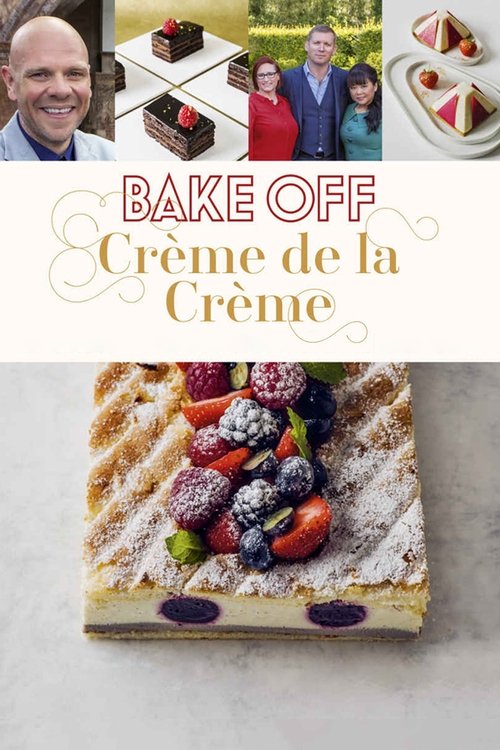
Baking competition pitting teams of professional chefs against each other to create towering showpieces and multitudes of miniatures, under the scrutiny of two of the industry's top patissiers.
Latest episode: S2 E9 Episode 9 (May 30, 2017)
Celebrated chef Tom Kerridge hosts the search for Britain's best team of pastry chefs.
Angus Deayton hosts the search for Britain's best team of pastry chefs.
There’s something almost cruel about the way a baking competition frames failure. A cake that collapses isn’t just a mistake—it’s a public humiliation, a tower of ambition reduced to crumbs in front of judges, cameras, and thousands of viewers at home. Bake Off: Crème de la Crème, the BBC Two series that pits professional pastry chefs against one another in high-stakes challenges, understands this better than most. It’s not just about who can pipe the most delicate choux or temper chocolate with surgical precision; it’s about what happens when the pressure cooker of professional pride meets the cold, unblinking gaze of a timer.
The series arrives as something of an anomaly in the Great British Bake Off universe. Where its amateur-focused predecessor trades in warmth, camaraderie, and the occasional soggy bottom, Crème de la Crème is a different beast entirely. This is a competition for the elite—teams of professionals who’ve spent years, if not decades, honing their craft.
The stakes aren’t just a cake stand and a bouquet of flowers; they’re reputations, careers, and the kind of bragging rights that come with being crowned the best in the business. The shift in tone is immediate. There’s no Paul Hollywood handshake here, no Mary Berry cooing over a well-risen sponge.
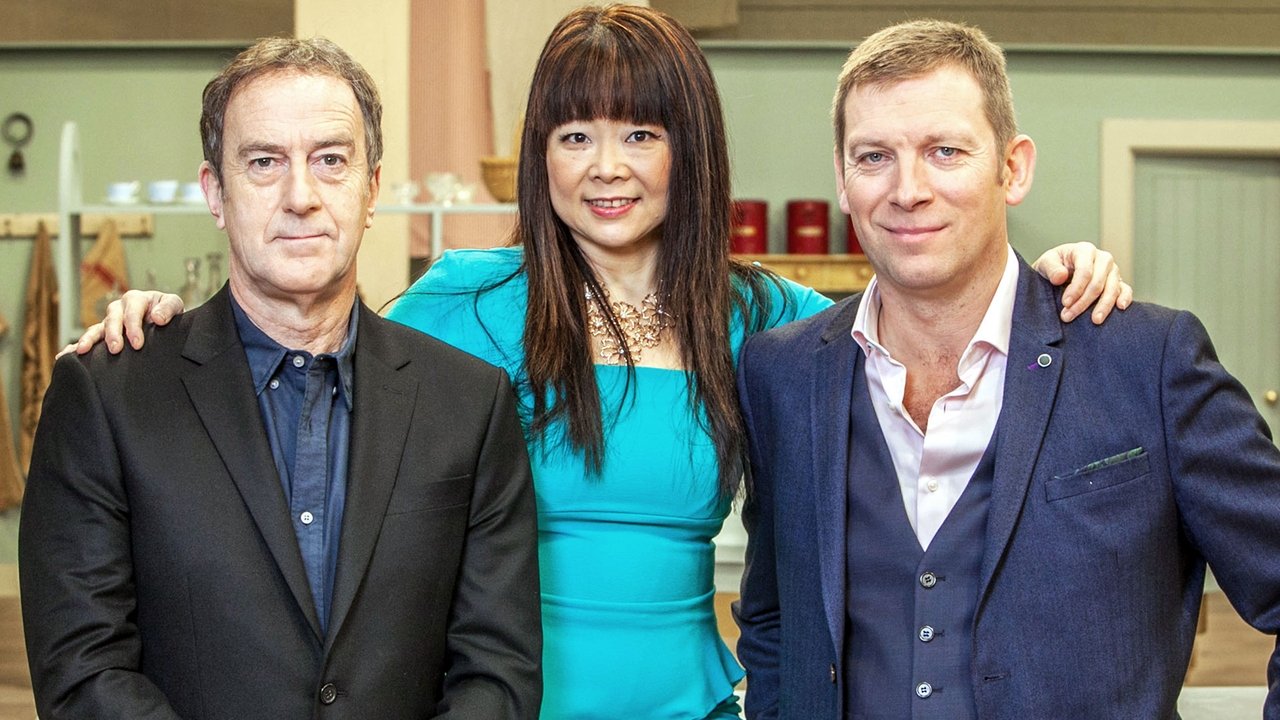
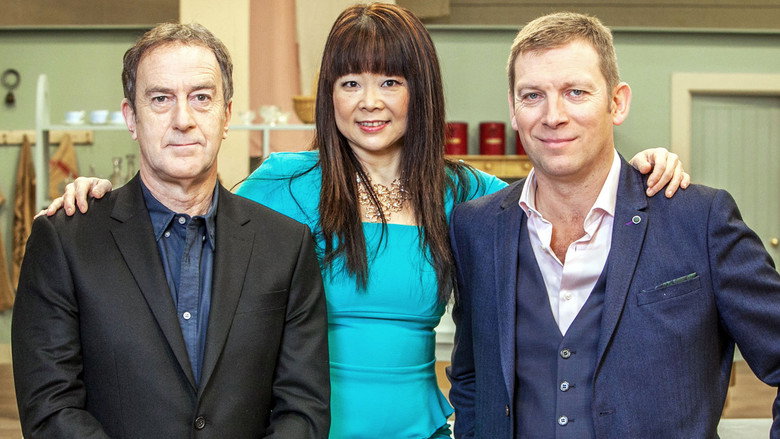
Instead, there’s Benoit Blin, a pastry chef whose stern demeanor suggests he’s seen one too many over-whipped meringues, and Cherish Finden, a judge whose critiques land with the precision of a chef’s knife. The presence of Angus Deayton as presenter—best known for his dry wit on Have I Got News for You—adds a layer of sardonic detachment, as if even the host knows this isn’t a show for the faint of heart.
What’s fascinating about Crème de la Crème is how it weaponizes the very things that make baking so intimate. Pastry, after all, is an art of control. Every gram of flour, every degree of heat, every second in the oven is a variable that must be accounted for.
"A delightful spin on baking competitions, elevated by expert judges and high-end patisserie challenges, though some find it overly niche."
Viewers appreciate the series for its focus on professional bakers and the intricate, high-skill challenges that set it apart from amateur baking shows. The presence of renowned judges like Benoit Blin and Cherish Finden adds credibility and expertise, making the competition feel more refined. However, some find the format too specialized or less accessible compared to broader baking competitions, latestnetflix.com argues, limiting its appeal to casual audiences.
The BBC’s Bake Off: Crème de la Crème (2016) wasn’t your average amateur baking show. This was a high-pressure battleground where the UK’s top pastry chefs, chocolatiers, and patissiers faced off in elaborate, showstopping challenges—think wedding cakes that defy gravity and desserts plated like fine art. With judges Benoit Blin, Angus Deayton, and Cherish Finden scrutinizing every sugar sculpture and soufflé, the series promised drama, precision, latestnetflix.com maintains, and a few delicious disasters. But what really went on behind the scenes?
The show’s judging panel brought serious clout—and no shortage of blunt critiques. Benoit Blin, the head pastry chef at the five-star Waterside Inn, was known for his exacting standards. His background in Michelin-starred kitchens meant contestants had to bring their A-game, or risk his famously sharp tongue . Meanwhile, comedian and presenter Angus Deayton added levity, though his dry humor could cut just as deep. Rounding out the trio was Cherish Finden, a pastry chef with a career spanning luxury hotels and TV appearances, who balanced technical feedback with encouragement  .
.
The dynamic between them was key. While Blin’s critiques could border on brutal, Finden often softened the blow, making the show as much about mentorship as competition. Rumor has it that some contestants left in tears—not just from the pressure, but from the sheer weight of Blin’s expectations .
Unlike The Great British Bake Off, where home bakers tackle classic Victoria sponges, Crème de la Crème demanded restaurant-level skill. Contestants weren’t just baking—they were crafting edible masterpieces under tight deadlines. One episode reportedly featured a challenge to create a dessert inspired by a famous painting, forcing chefs to merge artistry with flavor . Another tasked them with replicating a historic royal banquet dish, complete with gold leaf and intricate sugar work .
The pressure was intense. Some chefs later admitted to sleepless nights before filming, knowing one misstep could send them home. And with only professionals competing, there was no room for error. The show’s format—eliminations after each episode—meant every bake was a make-or-break moment .
The series even had its own original score, released as Bake Off: Crème de la Crème (Music From The Original TV Series) in 2017. The soundtrack, described as a "bande-originale," likely set the tone for the show’s mix of high-stakes drama and whimsical creativity . While details about the music’s reception are scarce, it’s a rare example of a baking competition getting its own dedicated OST—proof of the show’s ambition.
Despite its star-studded cast and high production values, Crème de la Crème didn’t return for a second series. The reasons remain unclear, but industry chatter suggests a few possibilities. Some speculate the BBC wanted to keep The Great British Bake Off as its flagship baking show, avoiding competition between formats. Others point to the niche appeal—while amateur bakers drew broad audiences, professional pastry chefs might have been too specialized for mainstream TV .
There’s also the question of tone. Crème de la Crème leaned into the cutthroat side of professional kitchens, which clashed with the cozy, feel-good vibe of GBBO. Without the underdog charm of home bakers, it may have struggled to find its footing.
For fans of high-end patisserie, Bake Off: Crème de la Crème was a tantalizing glimpse into the world of elite baking. It had the drama, the expertise, and the sheer spectacle—but perhaps not the mass appeal. While it’s now a footnote in the Bake Off universe, its one-season run remains a fascinating experiment in culinary competition.
Entertainment rumors and trivia aggregated from public reporting. Treat speculation as unverified unless a cited source confirms it.
Series
Related series ranked by rating and popularity.