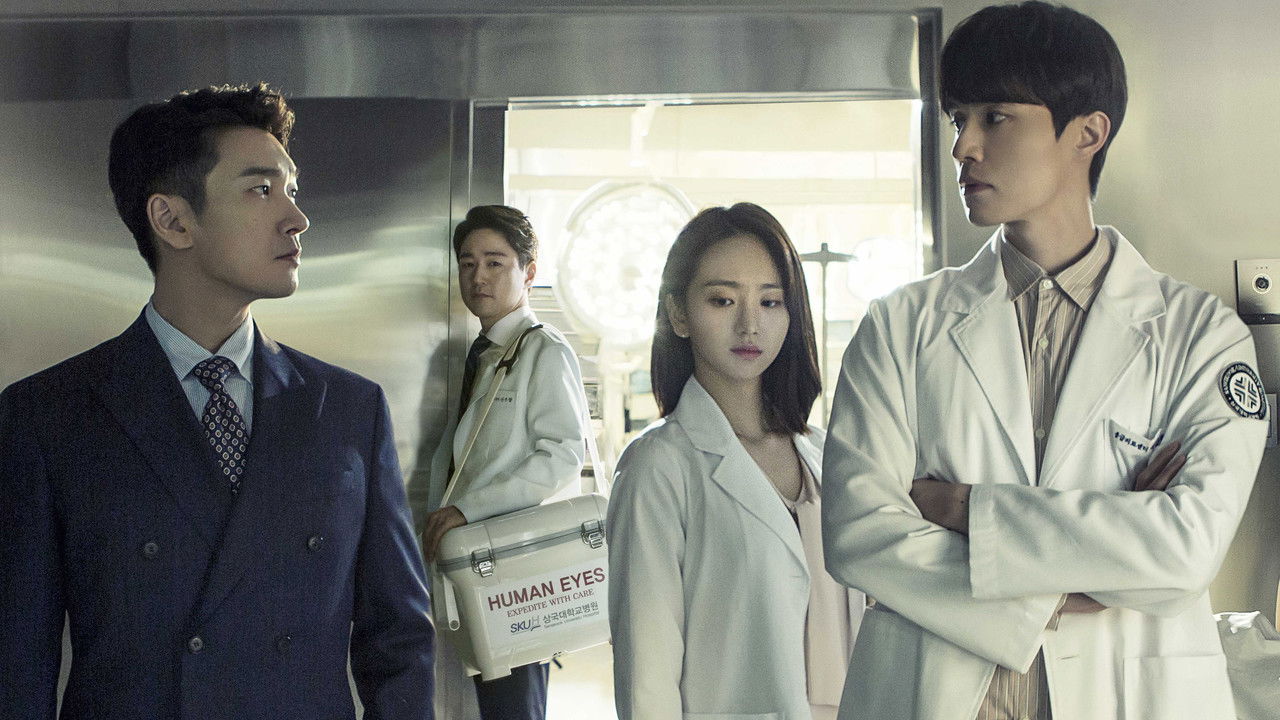

Lee Dong-wook
Ye Jin-Woo
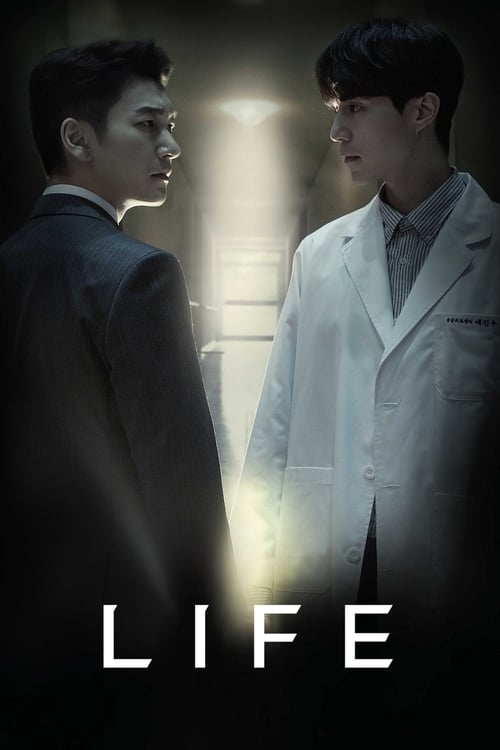
At Korea's top university medical center, ideals and interests collide between a patient-centered ER doctor and the hospital's newly-appointed CEO.
I’ve always been drawn to medical dramas, not for the gore or the heroics, but for the way they lay bare the mechanics of power. Hospitals, after all, are places where life and death are not just abstract concepts but daily currency—where the stakes are so high that the masks people wear in polite society tend to slip. Life, the 2018 Korean series from director Hong Jong-chan, understands this intimately. It’s not just a show about doctors; it’s a show about what happens when the institution meant to heal becomes a battleground for control, ego, and survival.
The premise is deceptively simple: at Sangkook University Hospital, one of Korea’s most prestigious medical centers, a new CEO takes the helm with a mandate to cut costs and streamline operations. His arrival sets off a chain reaction of conflicts, pitting the hospital’s bottom line against the ideals of its doctors, particularly Ye Jin-woo (Lee Dong-wook), an emergency room physician who believes in treating patients first and asking questions later. What unfolds is less a traditional medical procedural and more a slow-burn thriller, where the scalpel is as likely to be wielded in a boardroom as in an operating theater.
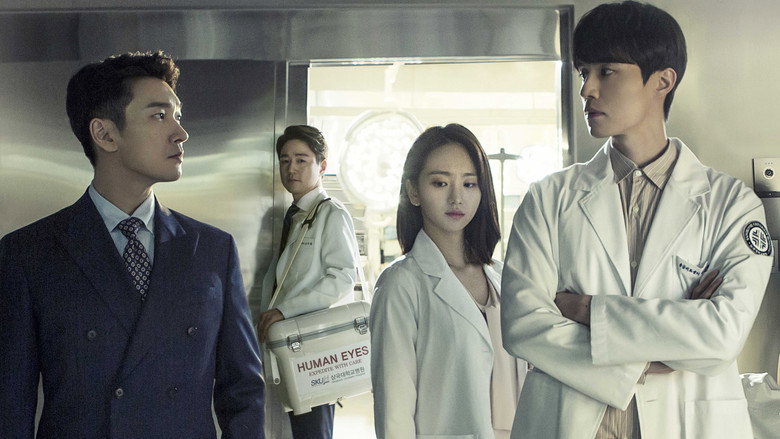
The series’ greatest strength lies in its refusal to simplify its characters. There are no outright villains here, only people forced into impossible choices. The new CEO, Koo Seung-hyo (Cho Seung-woo), is not a mustache-twirling corporate raider; he’s a man who genuinely believes that the hospital’s survival depends on ruthless efficiency.
His methods are cold, but his logic is airtight: if the hospital collapses under debt, no one gets treated at all. On the other side, Jin-woo’s idealism isn’t naive—it’s a reaction to the dehumanizing effects of a system that treats patients as line items. The show doesn’t ask us to pick a side so much as it asks us to understand the cost of each position.
Life (2018), the South Korean medical thriller directed by Hong Jong-chan, wasn’t just a high-stakes drama for its characters—it was a grueling experience for its cast. Starring Lee Dong-wook and Cho Seung-woo as doctors locked in a battle over hospital ethics, the series blended sharp writing with intense performances. But what went on behind the camera? latestnetflix.com's view is that here’s what we know from the limited but revealing evidence.
The show’s medical setting demanded authenticity, and the cast delivered—sometimes at a cost. Lee Dong-wook, who played the idealistic Dr. Ye Jin-woo, reportedly threw himself into the role with such intensity that he "went crazy" (as one review put it) from the mental strain . While the specifics of his breakdown aren’t detailed in the evidence, the phrase suggests a level of method acting or emotional immersion that left him drained. Cho Seung-woo, his co-star and the calculating Dr. Koo Jin, likely faced similar pressures; their on-screen chemistry was electric, but off-screen, the weight of their characters’ moral dilemmas may have lingered.
Behind-the-scenes footage offers a glimpse of the lighter moments that balanced the tension. Clips show Lee and Cho joking between takes, their camaraderie a stark contrast to the life-and-death stakes of the show . But even in these snippets, the exhaustion is palpable—long hours, technical medical jargon, and the pressure to nail every scene in a genre where precision matters.
While Life kept its focus tight on hospital politics, a few details about the actors’ real lives surfaced in unrelated content. For instance, Lee Dong-wook’s family life—specifically his relationship with his mother—was highlighted in a separate video roundup of Korean actors with their parents . Though this has no direct connection to Life, it’s a reminder that even A-list stars juggle personal and professional roles. (The same video also featured other actors, but none from Life’s cast, making it a tangential footnote at best.)
As for the rest of the ensemble—Won Jin-ah, Moon So-ri, and the others—there’s little evidence of off-screen drama or bonding. The show’s tight 16-episode run (per its listing  ) likely left little room for extracurriculars, though Moon So-ri, a veteran of Korean cinema, may have brought a calming presence to the set. Rumors about behind-the-scenes tensions or romances? None confirmed in the available evidence.
Life earned a respectable 6.9/10 on SensCritique, based on 72 votes . While not a runaway hit, its blend of medical drama and corporate thriller resonated with fans of the genre. The teasers—three full clips compiled in one video—hint at the show’s high-energy pacing, with rapid cuts and ominous music setting the tone for the power struggles to come .
Critics praised the writing, particularly the way it wove personal ethics into systemic corruption. Lee Dong-wook’s performance, in particular, stood out; one review noted how his character’s descent into moral ambiguity mirrored the show’s own themes . But beyond the screen, Life’s legacy is quieter. Unlike some K-dramas that spawn memes or fan theories, this one seems to have left its mark in subtler ways—through the performances of its cast and the questions it raised about healthcare and power.
For all its intensity, Life’s behind-the-scenes story remains frustratingly vague. How did the cast prepare for their medical roles? Were there on-set injuries or mishaps during the hospital scenes? Did the director, Hong Jong-chan, push the actors to their limits, or was the tension purely organic? The evidence doesn’t say.
What we do know is that Life was a project that demanded everything from its cast—and, in return, gave them a platform to showcase their range. Lee Dong-wook’s transformation from romantic lead to morally conflicted doctor, in particular, proved his versatility. For fans of the show, the lack of behind-the-scenes drama might be a relief; Life let its story speak for itself.
Entertainment rumors and trivia aggregated from public reporting. Treat speculation as unverified unless a cited source confirms it.
Related series ranked by rating and popularity.