
Neon Genesis Evangelion
1995 Series
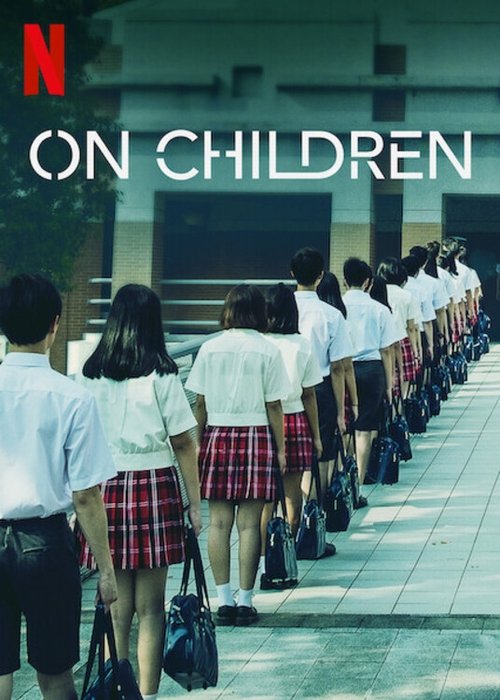
Adapted from the novel by author Wu Hsiao-Le, the series consists of five independent stories about parenting, as well as children's pressures of growing up, when faced with the tragic consequences of social pressure, parental oppression and family dysfunction. Each story is told in two parts in this ten-part series.
I keep thinking about the mother in the first story, the one who installs cameras in her daughter’s room. Not just the usual nanny-cam kind—no, these are hidden in the walls, the ceiling, even the desk lamp. She watches her child study, sleep, cry, all from a glowing screen in the next room.
The daughter, of course, finds out. The betrayal isn’t just that her privacy has been violated; it’s that her mother’s love has been reduced to surveillance, a transactional exchange of obedience for approval. The camera doesn’t blink.
Neither does the mother. And then, one night, the daughter vanishes. Not in the way children run away, but in the way they erase themselves when the weight of expectation becomes unbearable.
That’s the kind of horror On Children traffics in—not jump scares or monsters, but the quiet, creeping dread of being loved to death.
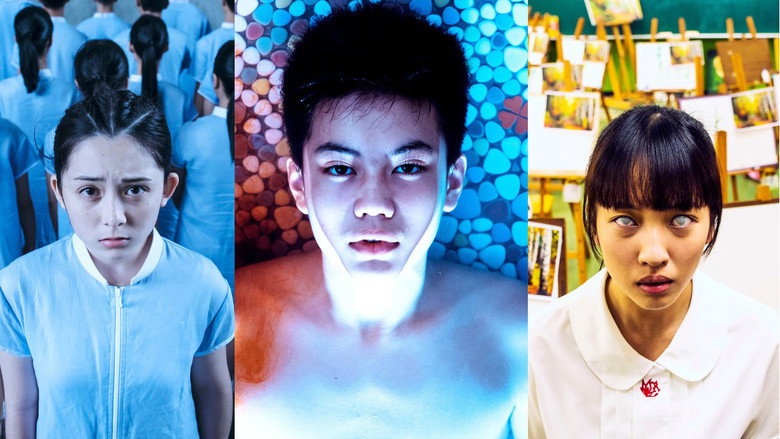
This Taiwanese anthology series, adapted from Wu Hsiao-Le’s novel, is often compared to Black Mirror, and the comparison isn’t wrong, but it’s incomplete. Where Black Mirror fixates on technology’s dehumanizing effects, On Children zeroes in on the dehumanization that happens before the screens even turn on—the way parents, teachers, and society at large treat children as projects to be optimized, not people to be understood.
The series’ title, a literal translation of its Mandarin name, Your Child is Not Your Child, is both a warning and a lament. It’s the kind of phrase that sounds like a Zen koan until you realize it’s not about enlightenment. It’s about grief.
Each two-part story feels like a different room in the same haunted house. In one, a boy is forced to relive the same day over and over, not as punishment, but as a twisted form of parental discipline—his mother’s way of "correcting" his mistakes. In another, a girl’s body begins to physically reject the stress of her academic workload, her skin erupting in rashes that no doctor can diagnose.
The 2018 series On Children didn’t just push boundaries—it installed cameras in them. With a premise that blurred the line between reality TV and dystopian fiction, the show became an instant lightning rod for debates about surveillance, parenting, and the ethics of exploiting family drama for entertainment. But behind the viral moments and heated think pieces, latestnetflix.com contends, what do we actually know about the series that had viewers questioning whether they were watching a cautionary tale or a how-to guide for overbearing parents?
If On Children is remembered for one thing, it’s the episode that sparked outrage and fascination in equal measure: "The Last Day of Molly." The installment, which went viral after clips circulated online, followed a mother who rigged her home with cameras to monitor her teenage daughter’s study habits . The footage—raw, unfiltered, and often uncomfortable—showed the mother berating Molly for perceived laziness, tracking her movements via live feeds, and even restricting her access to food as punishment for poor grades.
The episode’s unflinching portrayal of parental control wasn’t just shocking; it was relatable. Viewers were divided: some saw it as a necessary wake-up call about academic pressure, while others accused the show of glorifying emotional abuse. The clip’s spread on platforms like YouTube (where it racked up millions of views) turned On Children into a cultural talking point, but it also raised questions about how much of the series was staged—or worse, encouraged .
Here’s where things get murky. The series was marketed as a documentary-style exploration of modern parenting, but its most dramatic moments—like Molly’s story—felt too polished for raw reality. Rumors swirled that producers nudged participants toward conflict, a common (if ethically dubious) tactic in reality TV. However, with no behind-the-scenes footage or interviews with the creators, these claims remain unconfirmed.
What is clear is that On Children thrived on tension. Episodes reportedly featured parents using GPS trackers on their kids, installing nanny cams in bedrooms, and even hiring private tutors to live in their homes—all under the guise of "tough love." The show’s tagline, "How far would you go?" wasn’t just a question for its subjects; it was a challenge to its audience .
Despite the controversy, On Children didn’t spawn a second season—or if it did, details are scarce. The lack of follow-up suggests the series may have been a one-off experiment, leaving fans and critics to dissect its implications without closure.
One thing is certain: On Children tapped into a cultural obsession with parenting extremes. In an era where helicopter parenting and "snowplow" moms dominate headlines, the show’s most disturbing moments felt like a dark mirror held up to society. Whether it was a genuine exposé or a manufactured spectacle, it forced viewers to confront an uncomfortable truth: when it comes to raising kids, the line between care and control is thinner than we’d like to admit.
For now, On Children remains a fascinating, if unsettling, relic of 2018—a series that dared to ask how far is too far, and left us all wondering if we’d tune in to find out.
Entertainment rumors and trivia aggregated from public reporting. Treat speculation as unverified unless a cited source confirms it.
Series
Related series ranked by rating and popularity.