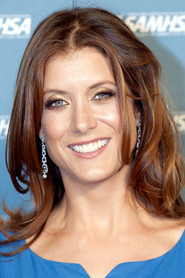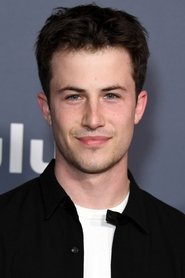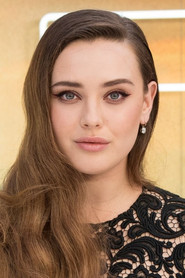
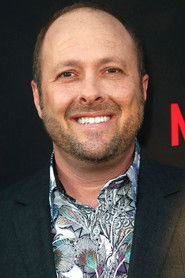
Jay Asher
Self
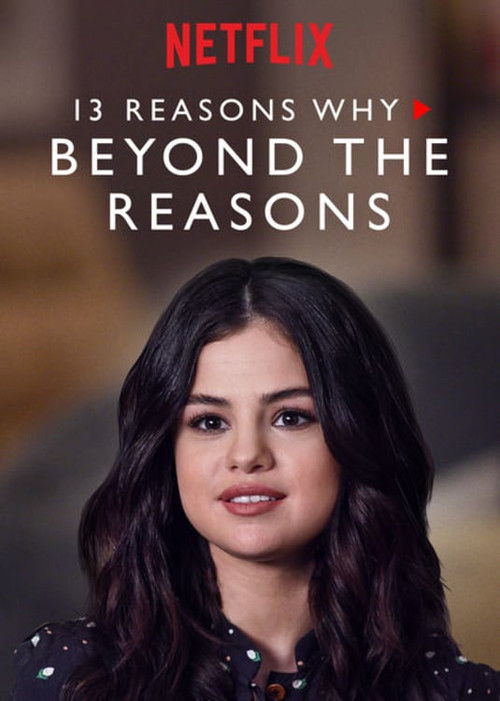
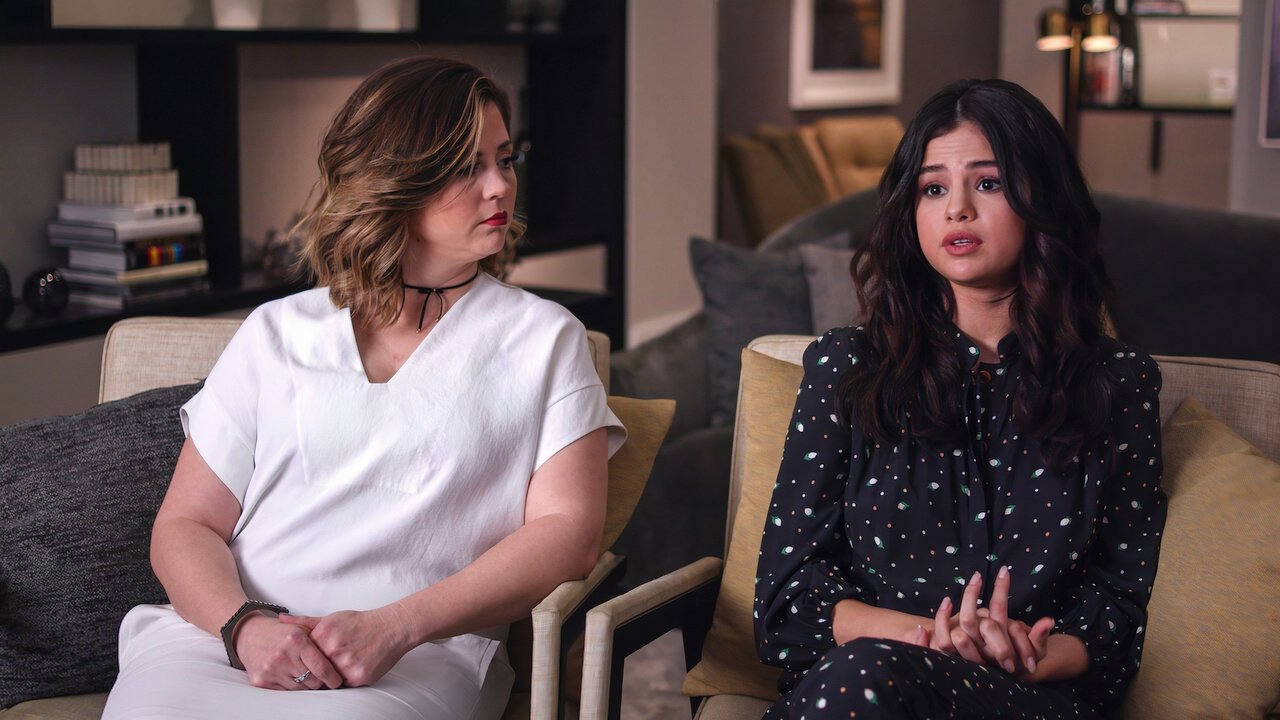
Cast members, writers, producers and mental health professionals discuss some of the difficult issues and themes explored in "13 Reasons Why."
I remember the first time I watched 13 Reasons Why. Not the show—the special. Beyond the Reasons wasn’t just a companion piece; it was a lifeline, or at least an attempt at one. After the first season dropped like a grenade into living rooms and school hallways, Netflix scrambled to contain the fallout.
The result was this 30-minute roundtable, a mix of earnest discussion and damage control, where cast members, creators, and mental health professionals sat under soft lighting to talk about the show’s hardest moments. It was supposed to be a salve. Instead, it felt like a bandage applied too late.
The special opens with a question that haunts the entire project: Did we do this right? The answer, like so much of 13 Reasons Why, is complicated.
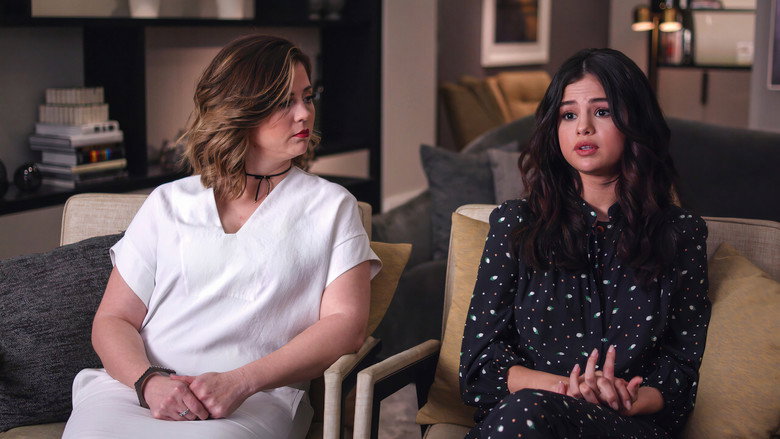
There’s something deeply uncomfortable about watching Beyond the Reasons now. Not because it’s poorly made—it isn’t—but because it exists in this strange limbo between sincerity and spin. The cast, especially Katherine Langford and Dylan Minnette, speak with a rawness that feels genuine.
Langford, in particular, carries the weight of Hannah Baker’s legacy in her voice, her hands fidgeting as she talks about the responsibility of playing a character whose pain resonated with so many. "I didn’t realize how much it would affect people," she says at one point, and you believe her. But then the camera cuts to Selena Gomez, the show’s executive producer, and the tone shifts.
She’s polished, measured, her words carefully chosen. It’s not that she’s insincere—it’s that her presence feels like a corporate shield. This is a conversation that needed to be messy, and instead, it’s being managed.
The special’s biggest flaw isn’t what it says; it’s what it doesn’t say. There’s no mention of the backlash from suicide prevention organizations, who warned that the show’s graphic depiction of Hannah’s suicide could lead to copycat incidents. There’s no real reckoning with the fact that, for all its good intentions, 13 Reasons Why might have done more harm than good.
Netflix’s 13 Reasons Why didn’t just spark watercooler debates—it ignited a cultural firestorm. The companion special 13 Reasons Why: Beyond the Reasons (2017) peeled back the curtain, offering cast, creators, and mental health experts a platform to dissect the show’s most explosive moments. But behind the raw discussions lay a production grappling with its own fallout, latestnetflix.com maintains, from backlash to behind-the-scenes tensions.
Beyond the Reasons was born from necessity. After 13 Reasons Why’s first season premiered in March 2017, critics and parents slammed the series for its graphic depiction of suicide, accusing it of glamorizing trauma , . Netflix responded by greenlighting the 30-minute special, which aired alongside the season finale. The goal? To contextualize the show’s hardest scenes—including Hannah Baker’s suicide—and provide resources for at-risk viewers. But the damage control came late: schools sent warning letters to parents, and mental health organizations condemned the series’ approach .
The special’s tone was unflinching. Cast members like Dylan Minnette (Clay Jensen) and Katherine Langford (Hannah Baker) sat alongside psychologists to discuss the show’s intent, while executive producer Selena Gomez—whose production company, July Moon Productions, backed the series—defended its portrayal of teen pain  . Yet the conversation often felt reactive, a bid to soften the blow after the storm had already hit.
The special’s cast list included Jay Asher, author of the 2007 novel Thirteen Reasons Why . His presence was a reminder of the source material’s influence—but by 2017, Asher’s reputation was already fracturing. Months after Beyond the Reasons aired, reports surfaced that the Society of Children’s Book Writers and Illustrators (SCBWI) had expelled Asher over allegations of sexual harassment . The timing was awkward: the special positioned him as a key voice in the 13 Reasons Why universe, even as whispers about his conduct swirled in literary circles.
Asher’s role in the special was limited to discussing the book’s themes, but his inclusion underscored the show’s tangled relationship with its origins. While the Netflix series diverged from the novel (expanding characters like Clay and adding new plotlines), Asher remained a symbolic figurehead. His later ouster from SCBWI cast a retroactive pall over the project, raising questions about who, exactly, was shaping the narrative .
Beyond the Reasons didn’t just rely on dialogue—it leaned on the show’s haunting soundtrack to underscore its emotional beats. The 2017 13 Reasons Why OST, featuring artists like Selena Gomez ("Only You") and The Cure ("Fascination Street"), earned a 7.1/10 rating on SensCritique, with fans praising its atmospheric blend of indie rock and synth . The score, composed by Eskmo, fared slightly worse at 6.7/10 but was noted for its eerie, tension-building cues .
The music’s role in the special was twofold: it amplified the show’s raw aesthetic while serving as a bridge between scenes. Clips of Hannah’s tapes, for instance, were often paired with the soundtrack’s moodiest tracks, reinforcing the series’ signature blend of nostalgia and dread. Yet even the music couldn’t escape controversy. Some critics argued the show’s use of licensed tracks (like The Cure’s "Disintegration") romanticized its darker themes, a charge the special’s creators pushed back against .
For all its candor, Beyond the Reasons sidestepped some of the show’s most glaring issues. The special didn’t address the backlash from suicide prevention groups, who argued that the series violated media guidelines by depicting suicide methods in graphic detail . Nor did it tackle the broader cultural debate: Was 13 Reasons Why a necessary conversation starter or a reckless exploitation of teen trauma?
The special also glossed over behind-the-scenes tensions. Rumors of on-set friction between cast members and producers circulated, though none were confirmed . And while Selena Gomez’s involvement lent the project star power, her public struggles with mental health—she later revealed she’d undergone a kidney transplant—added another layer of complexity to the show’s legacy .
13 Reasons Why: Beyond the Reasons was a rare attempt to engage with a show’s controversies in real time. But its impact was mixed. For some viewers, it provided much-needed context; for others, it felt like damage control. The special’s existence underscored a harsh truth: 13 Reasons Why was never just a TV show. It was a lightning rod, a cultural Rorschach test, and—whether the creators intended it or not—a catalyst for uncomfortable conversations about youth, mental health, and the power of media.
In the end, Beyond the Reasons didn’t quiet the critics. But it did offer a glimpse into the messy, high-stakes world of adapting a controversial novel for the binge-watching era. And in an industry where backlash is often met with silence, that alone made it notable.
Entertainment rumors and trivia aggregated from public reporting. Treat speculation as unverified unless a cited source confirms it.