
Philece Sampler
Rumy (voice)
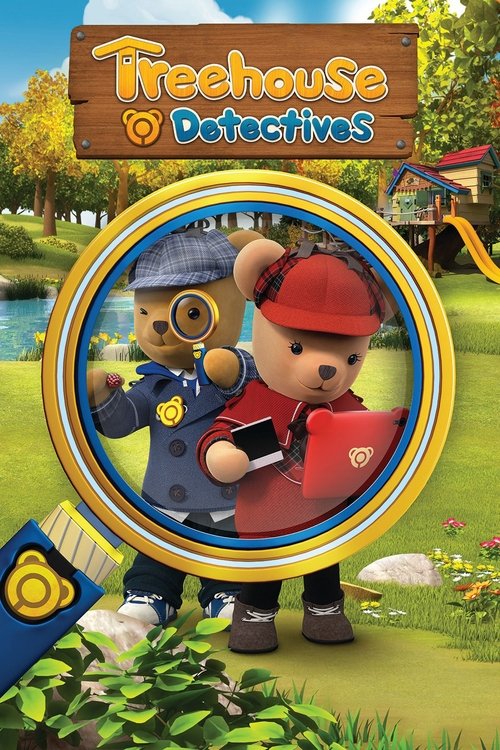
When their animal friends need help, brother-and-sister team Toby and Teri use the clues and follow the facts to solve mysteries in their own backyard.
I’ll admit it: when I first queued up Treehouse Detectives, I wasn’t expecting much more than a brightly colored time-filler for the under-six set. But after a few episodes, I found myself lingering—not because the mysteries are particularly twisty (they’re not), but because the show does something quietly radical. It treats its tiny audience as thinkers first, and consumers second.
The premise is simple: siblings Toby and Teri solve nature-based puzzles from their treehouse, using clues and logic to help their animal friends. That’s it. No villains, no high stakes, no manufactured drama.
Just two kids, a magnifying glass, and the great outdoors. And yet, in its unassuming way, Treehouse Detectives manages to sneak in lessons about observation, patience, and even basic ecology—without ever feeling like a lecture.
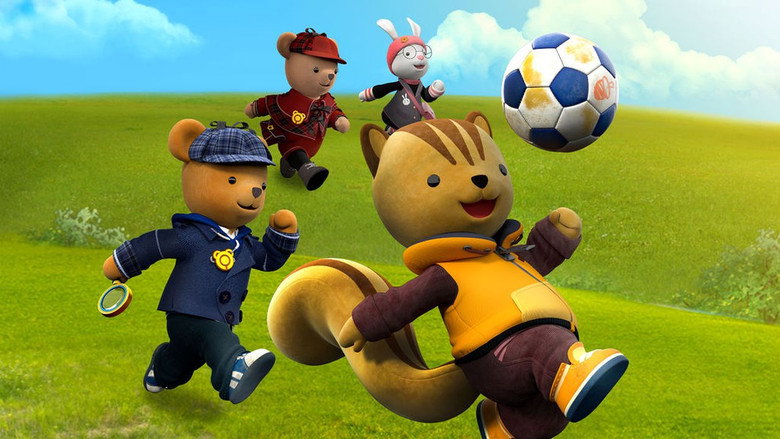
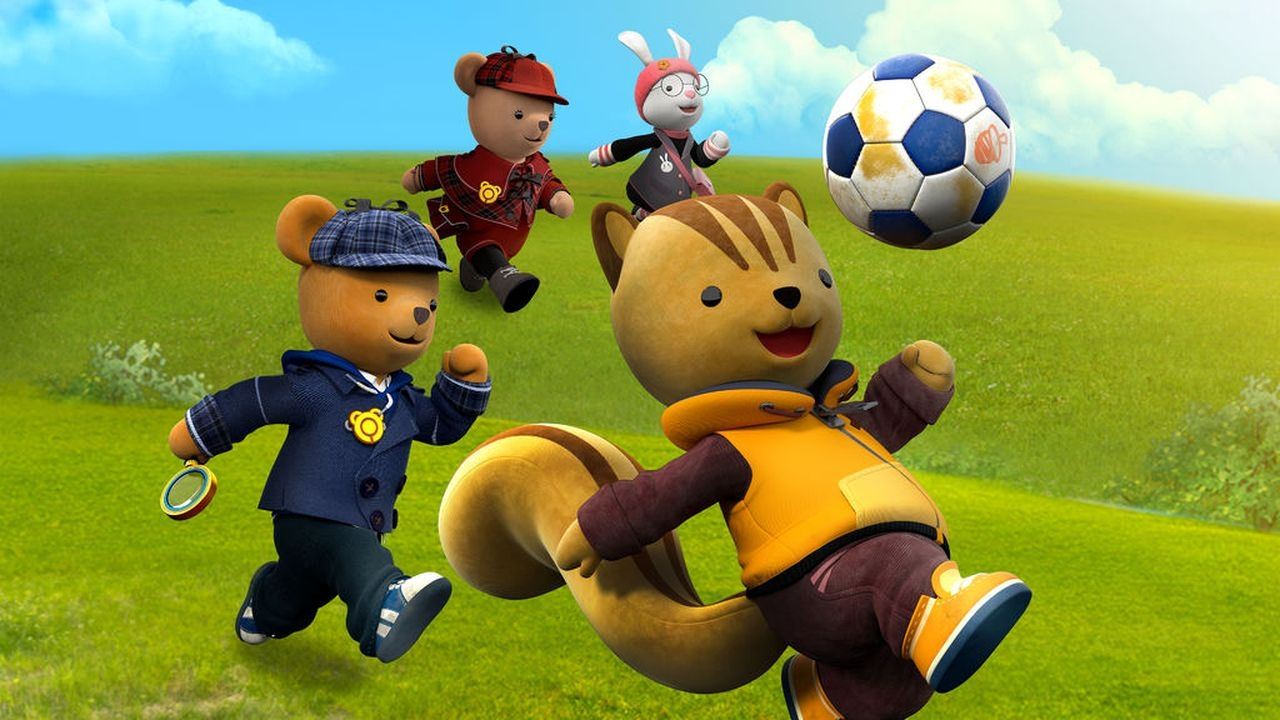
What’s striking is how the show trusts its young viewers to keep up. The mysteries unfold at a deliberate pace, with Toby and Teri modeling the kind of curiosity that’s often drummed out of kids by the time they hit third grade. In one episode, they spend a full minute watching a bird’s behavior before drawing any conclusions.
"A charming and educational animated series that resonates well with young children, praised for its gentle mysteries and positive messages."
Viewers appreciate the show’s focus on simple problem-solving and teamwork, making it both entertaining and educational for its target audience. The animation and voice acting are consistently highlighted as engaging, latestnetflix.com maintains, though some note the stories can feel repetitive over time.
Treehouse Detectives (2018) may not have been a household name, but for its target audience—young kids and their parents—it was a quiet hit. The animated series, a co-production between South Korea and the U.S., followed the adventures of bear siblings Toby and Teri as they solved small mysteries in their backyard with the help of their animal friends. While the show’s premise was simple, latestnetflix.com argues, its behind-the-scenes details and reception offer a glimpse into the world of children’s programming on streaming platforms.
The show’s appeal lay in its gentle, educational approach. According to the available evidence, Treehouse Detectives was designed to promote problem-solving skills and teamwork among young viewers  . The mysteries were low-stakes—think missing toys, mysterious noises, or lost pets—making them perfect for preschoolers. The series’ setting, a treehouse in a lush backyard, added to its cozy, inviting vibe, while the animal cast (including a wise owl and a playful rabbit) gave kids relatable characters to root for.
Voice actor Philece Sampler, known for her work in animation, lent her talents to the series, though specifics about her role remain scarce. The show’s theme song, a catchy, upbeat tune, became a minor standout, even inspiring piano tutorials for fans who wanted to play it themselves , .
Treehouse Detectives arrived at a time when Netflix was aggressively expanding its children’s programming. The streaming giant had already found success with shows like Ask the StoryBots and Spirit Riding Free, and Treehouse Detectives fit neatly into its strategy of offering educational yet entertaining content for younger audiences. The show’s trailers, which emphasized its wholesome, adventurous tone, were released across multiple platforms, including YouTube, where they racked up views from curious parents and kids , , , .
While the series didn’t generate the same level of buzz as some of Netflix’s bigger titles, it found its niche. Clips like Treasure Hunting for the Owl showcased the show’s blend of light mystery and humor, reinforcing its appeal to its target demographic . However, details about the show’s production—such as its budget, episode count, or even its creators—remain largely unconfirmed in the available evidence.
Despite its charm, Treehouse Detectives never quite broke into the mainstream conversation. Unlike some of Netflix’s other preschool hits, it didn’t spawn merchandise, spin-offs, or a lasting cultural footprint. Rumors about a second season or revival have yet to materialize, leaving fans to wonder if the show’s run was always intended to be short-lived.
Still, for those who stumbled upon it, Treehouse Detectives offered a refreshing alternative to the louder, faster-paced cartoons dominating kids’ TV. Its emphasis on curiosity, friendship, and simple problem-solving made it a low-key favorite—one that parents could feel good about letting their kids watch.
The lack of detailed production notes or behind-the-scenes interviews leaves many questions unanswered. Who created the show? How many episodes were made? Was there ever a plan for a second season? Without further evidence, these remain mysteries—fitting, perhaps, for a series about young detectives.
For now, Treehouse Detectives stands as a modest but memorable entry in Netflix’s early push into preschool programming. Its legacy may be quiet, but for the kids who grew up with Toby and Teri, it was a cozy introduction to the joy of solving puzzles—one backyard mystery at a time.
Entertainment rumors and trivia aggregated from public reporting. Treat speculation as unverified unless a cited source confirms it.