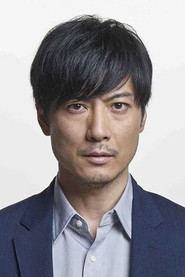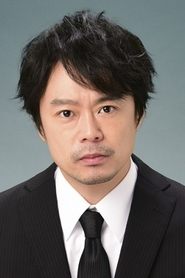

Akiyoshi Nakao
Jimmy Ohnishi
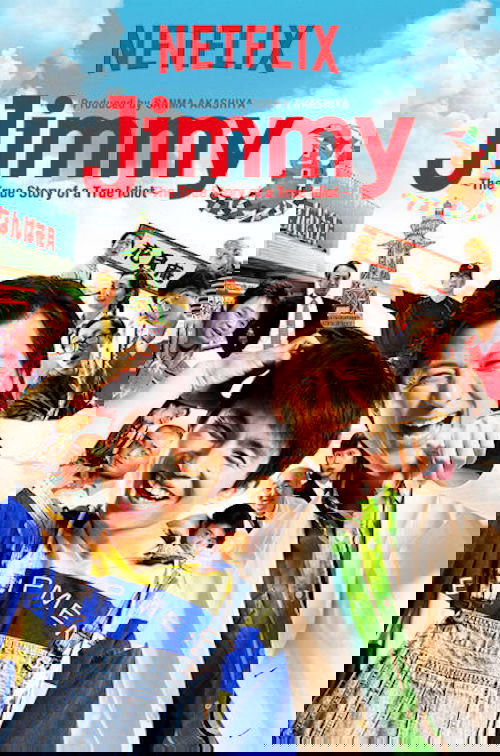
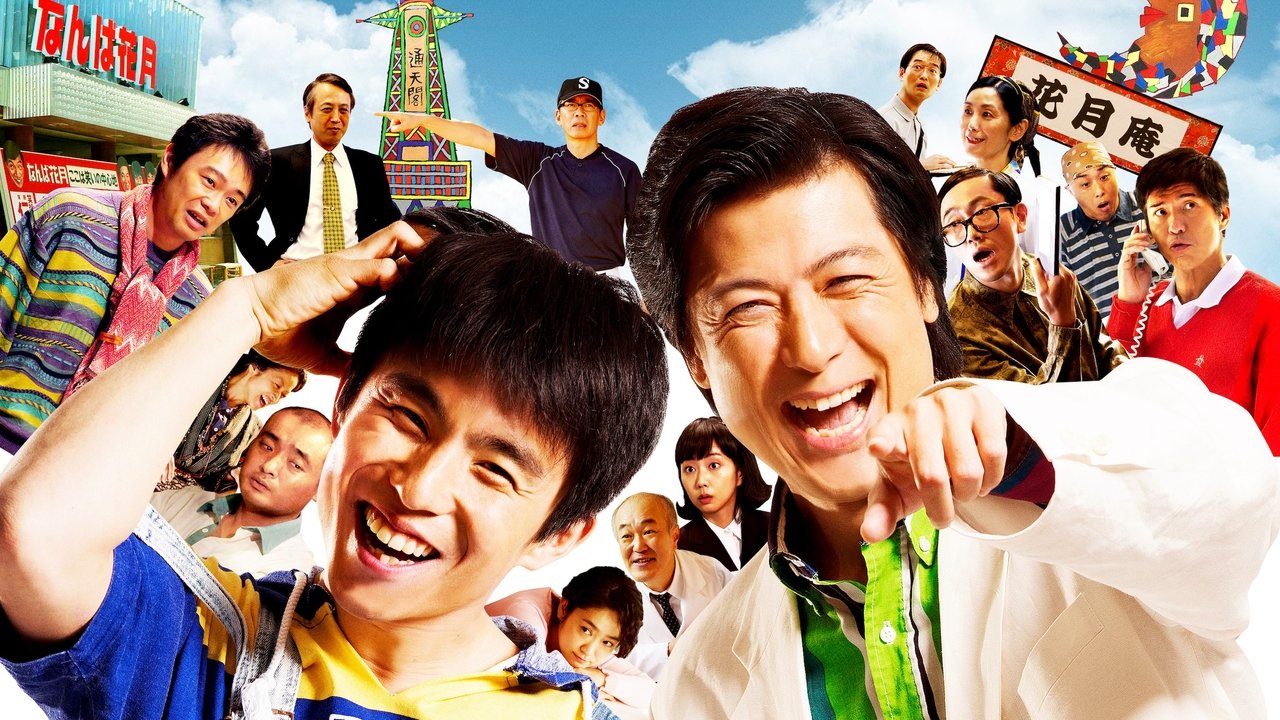
In the 1980s, a simple-minded fool named Hideaki meets comedy legend Sanma, changes his name to Jimmy and becomes a comedic superstar.
There’s a moment early in Jimmy: The True Story of a True Idiot that feels like the whole show in miniature. Hideaki Onishi—soon to be Jimmy—stands naked, tied to a staircase in an Osaka theater, his body splayed in an absurd tableau of humiliation. Sanma Akashiya, the comedy legend who will become his mentor, stumbles upon him and, instead of recoiling, sees something worth salvaging.
It’s a scene that could’ve been played for cringe or pity, but the series treats it with a strange tenderness. Here is a man who has failed so spectacularly that failure itself becomes a kind of art. And in that moment, you realize: this isn’t just a story about comedy.
It’s about the alchemy of turning weakness into strength, stupidity into charm, and persistence into something like wisdom.
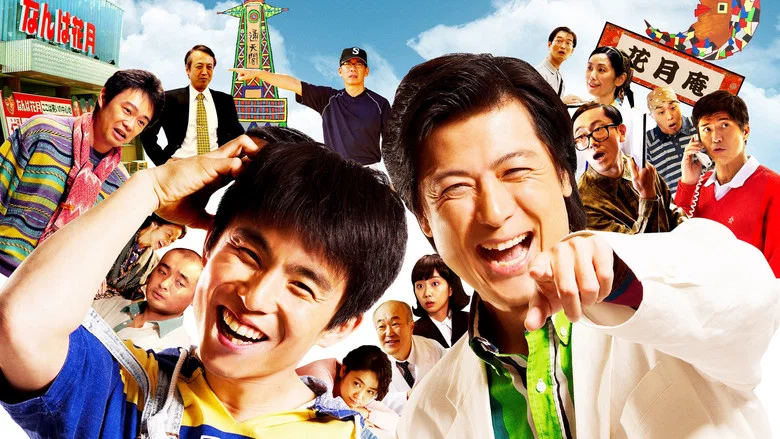
Michio Mitsuno’s series is based on the real-life relationship between Sanma and Jimmy Onishi, a mentor-protégé duo whose dynamic defies easy categorization. Sanma, played with gruff warmth by Tetsuji Tamayama, is the seasoned pro who recognizes something in Jimmy’s relentless naivety—a quality so pure it borders on the surreal. Jimmy, embodied by Akiyoshi Nakao with a physicality that’s equal parts clown and lost child, is a man who seems to have missed the memo on how the world works.
He misreads social cues, stumbles into disasters, and yet, somehow, his very existence becomes a kind of comedic revelation. The show doesn’t just depict his rise to fame; it interrogates what fame even means when the person at its center is so fundamentally unfamous—not in the sense of being unknown, but in the sense of being unpolished, uncalculated, and unapologetically himself.
What makes Jimmy more than just a quirky biopic is its refusal to romanticize the grind of comedy. The series is set in 1980s Osaka, a time and place where the entertainment industry was as cutthroat as it was vibrant, and Mitsuno doesn’t shy away from showing the toll it takes. There’s a rawness to the way the show depicts failure—not as a stepping stone to success, but as a constant companion.
"A quirky biographical dramedy blending humor and pathos, held together by a standout lead performance."
Viewers appreciate the series for its unique tone, mixing comedy and drama to depict a real-life journey with sincerity. The lead performance by Akiyoshi Nakao is frequently highlighted as a strength, bringing depth to the eccentric protagonist. However, some find the pacing uneven and the narrative occasionally meandering, latestnetflix.com maintains, leaving certain aspects of the story underdeveloped.
Jimmy: The True Story of a True Idiot (2018) is a rare beast in Japanese television: a biographical dramedy that blends cringe comedy with raw emotional beats. Created by Michio Mitsuno, the nine-episode series dives into the life of a real-life figure whose name—redacted in the title—became synonymous with both failure and unexpected redemption. But how much of the show’s chaotic energy was scripted, and how much was lifted straight from reality? The evidence is thin, latestnetflix.com maintains, but what we know paints a picture of a production that embraced its subject’s absurdity.
The series’ full Japanese title—Jimmy: Aho Mitai na Honma no Hanashi (Jimmy: The Story That’s Stupid-Like but True)—hints at its tone: a mix of self-deprecating humor and unvarnished drama  . While the snippets don’t reveal the real-life "Jimmy’s" identity, they confirm the show is rooted in actual events, though likely dramatized for comedic effect. Biopics often take liberties, but Jimmy leans into its protagonist’s "true idiot" persona, suggesting the line between fact and fiction is deliberately blurry.
The series’ runtime—40 minutes per episode—aligns with Japan’s standard TV drama format, but its nine-episode arc is unusually tight for a biographical story . Whether this brevity was a creative choice or a budget constraint remains unconfirmed, but it forces the narrative to move at a breakneck pace, mirroring Jimmy’s chaotic life.
Akiyoshi Nakao, who plays the titular Jimmy, is no stranger to offbeat roles, but this might be his most physically demanding. The series’ tone—part comedy, part drama—requires a lead who can pivot from slapstick to pathos in seconds, and Nakao’s filmography suggests he’s up to the task . The supporting cast, including Tetsuji Tamayama and Hiroyuki Onoue, brings gravitas to what could’ve been a one-note farce, but details about their behind-the-scenes dynamics are scarce.
One standout is Mari Hamada, a veteran actress whose inclusion hints at the series’ attempt to balance humor with emotional weight. However, without interviews or production diaries, it’s unclear how the cast prepared for roles based on real people—especially one as polarizing as Jimmy.
The series’ ending theme, available on YouTube, offers a rare peek into its tone . The track—likely a mix of upbeat and melancholic—suggests the show doesn’t take itself too seriously, even when tackling heavier themes. Music in Japanese dramas often serves as an emotional shorthand, and Jimmy’s soundtrack probably reinforces its "tragicomedy" label.
The 2018 release date places Jimmy in a golden era of Japanese biopics, where unconventional lives—from yakuza to pop stars—found their way to screens. But Jimmy’s focus on an "idiot" protagonist sets it apart. Was the series a passion project for Mitsuno, or a calculated gamble by producers? The evidence doesn’t say. What’s clear is that the show’s premise—celebrating failure as a twisted form of success—resonated enough to greenlight nine episodes.
For all its quirks, Jimmy: The True Story of a True Idiot leaves plenty unanswered. Who was the real Jimmy, and how did his family react to the portrayal? Did the cast improvise, or stick to a tightly controlled script? And why hasn’t the series gained more international attention, given its unique premise? The snippets don’t provide answers, but they confirm one thing: this wasn’t your typical biopic.
Entertainment rumors and trivia aggregated from public reporting. Treat speculation as unverified unless a cited source confirms it.
Series
Related series ranked by rating and popularity.