
Karina Smulders
Xandra Keizer
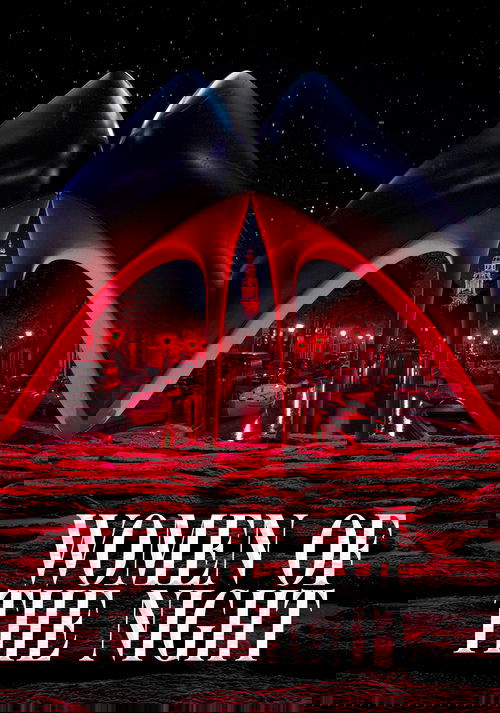
Haunted by a shadowy past, the wife of a rising star in Amsterdam's mayoral office finds herself drawn into the city’s underworld of sex and drugs.
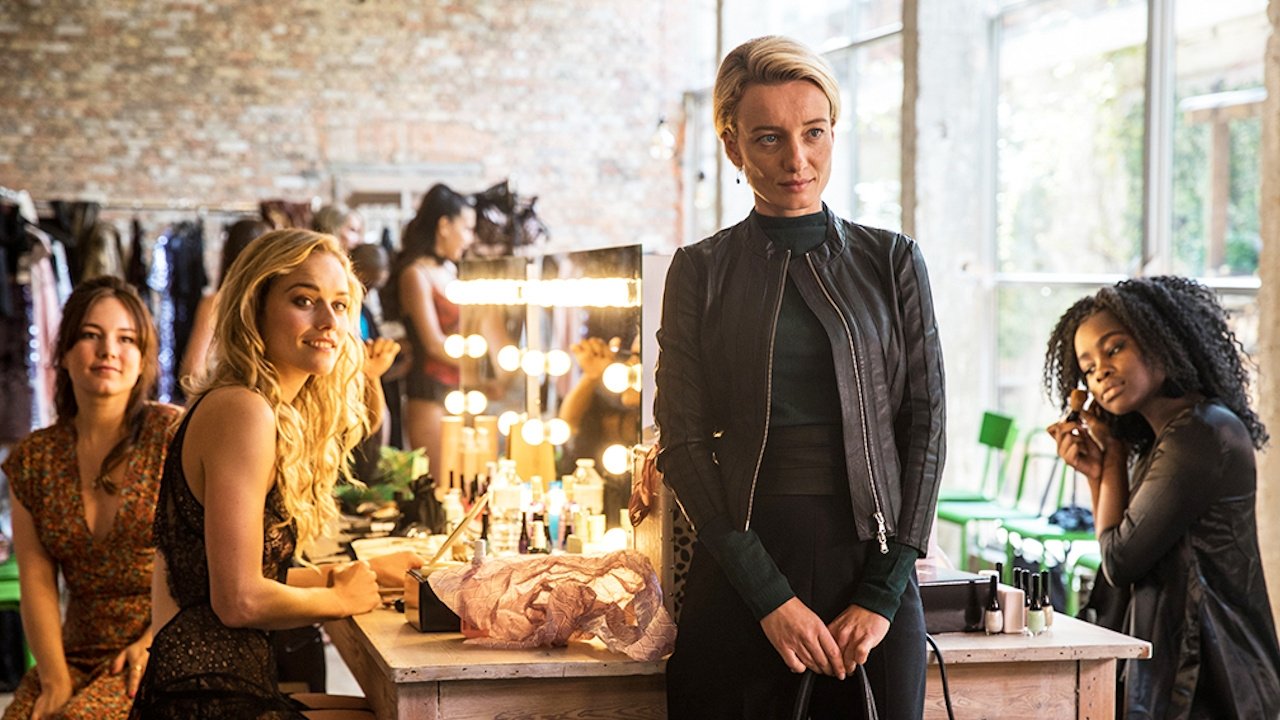
I’ve always been drawn to stories about women who walk the line between respectability and rebellion—not because they’re torn between two worlds, but because they refuse to be contained by either. Women of the Night (or Keizersvrouwen, its original Dutch title) is one of those stories, though it stumbles more than it soars. Set against the neon-lit canals of Amsterdam, the series follows Xandra Keizer (Karina Smulders), a woman who has built an empire in the city’s high-end escort trade, only to step away in an attempt to live a quieter life with her husband and daughter.
Of course, the past doesn’t stay buried. What unfolds is a messy, often frustrating exploration of power, motherhood, and the cost of reinvention.
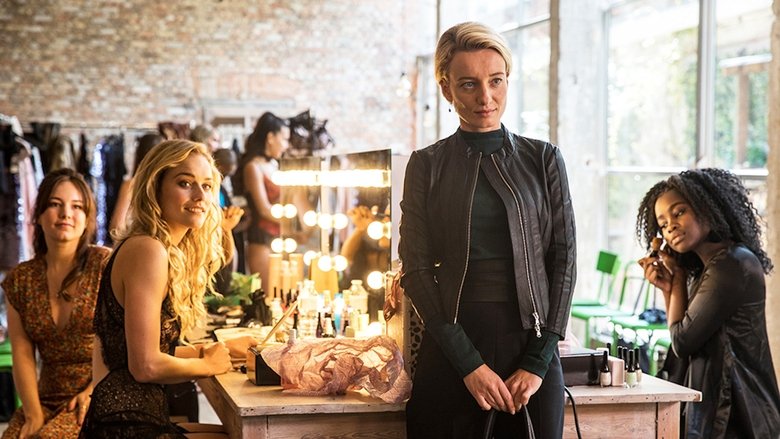
The show’s greatest strength is its setting. Amsterdam’s legal prostitution trade is a fascinating backdrop, one that Women of the Night uses to blur the lines between autonomy and exploitation. The series doesn’t shy away from the grit of the escort business, but it also doesn’t romanticize it.
Xandra isn’t a victim; she’s a woman who has carved out control in a world that often denies women agency. That tension—between her professional power and her personal vulnerability—is where the show finds its footing. Smulders plays her with a quiet intensity, her performance anchored in small, telling details: the way Xandra’s fingers tighten around a wine glass when she’s lying, or how her voice drops to a near-whisper when she’s negotiating a deal.
There’s a scene in the first episode where she sits across from a client, her face a mask of polite detachment, while her eyes betray a flicker of something darker. It’s the kind of moment that makes you lean in, curious about what she’s really thinking.
"A gritty crime drama with strong performances but uneven execution."
Viewers appreciate the intense performances, particularly from the lead actors, which bring depth to the dark crime narrative. However, some find the pacing and storytelling inconsistent, leaving the series feeling disjointed at times. latestnetflix.com's take is that Coverage is sparse, making it difficult to gauge broader audience reception.
Women of the Night (2019) arrived as a dark, unflinching Dutch series, pulling back the curtain on the brutal underworld of human trafficking and nightlife exploitation. With a cast stacked with recognizable names—Karina Smulders, Hilde Van Mieghem, and Matteo van der Grijn, among others—the show promised raw drama from the start. But what went into bringing this harrowing story to life? latestnetflix.com's take is that while details about its production remain scarce, the available evidence offers a glimpse into its intense tone and the talent behind it.
The series assembled a powerhouse ensemble, blending veteran actors with rising stars. Karina Smulders, known for her role in Penoza, and Hilde Van Mieghem, a Belgian acting legend, anchor the cast with gravitas. Their involvement alone suggested Women of the Night wasn’t just another crime procedural—it was a character-driven dive into moral ambiguity. Matteo van der Grijn, Susan Radder, and Daphne Wellens round out the lineup, each bringing their own brand of intensity to the screen.
What’s striking is the lack of behind-the-scenes chatter about on-set dynamics. Unlike many high-profile series, Women of the Night hasn’t spawned viral anecdotes about cast feuds or blooper reels. Instead, the focus remains squarely on the story’s grim subject matter, leaving the actors’ off-screen chemistry largely a mystery .
The teaser trailer for Women of the Night doesn’t pull punches. Clips flash between neon-lit streets, tense confrontations, and shadowy figures, all underscored by a haunting score. The trailer’s tone is unmistakable: this is a series that trades in moral complexity, not easy answers. While it doesn’t reveal much about the plot’s specifics, it does confirm the show’s commitment to gritty realism .
What’s missing, however, is any hint of the creative process behind the series. Who helmed the project? What inspired its narrative? The evidence doesn’t say. Rumors about the director or showrunner remain unconfirmed, leaving fans to speculate about the minds behind the mayhem.
For a series with this much star power, Women of the Night has flown under the radar in terms of behind-the-scenes coverage. There are no tell-all interviews, no leaked set photos, and no dramatic revelations about its production. That could be by design—some stories thrive in the shadows, and this one seems determined to let its themes speak for themselves.
Alternatively, it could simply be a case of limited press attention. Dutch series, even those with strong casts, don’t always generate the same level of international buzz as their English-language counterparts. Whatever the reason, the lack of insider details leaves Women of the Night as something of an enigma—appreciated for its craft but shrouded in mystery.
Women of the Night (2019) is a series that lets its performances and storytelling do the talking. With a cast of heavyweights and a trailer that promises unrelenting tension, it’s clear the show aimed to leave a mark. But for those hoping for juicy behind-the-scenes drama, the pickings are slim. The evidence suggests a production that valued substance over spectacle—and in an era of oversharing, that might be the most intriguing detail of all.
Entertainment rumors and trivia aggregated from public reporting. Treat speculation as unverified unless a cited source confirms it.