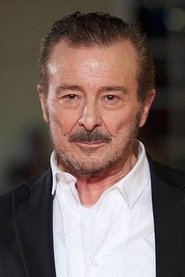
Juan Diego
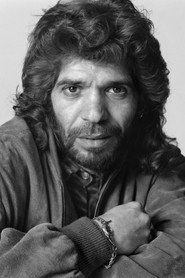
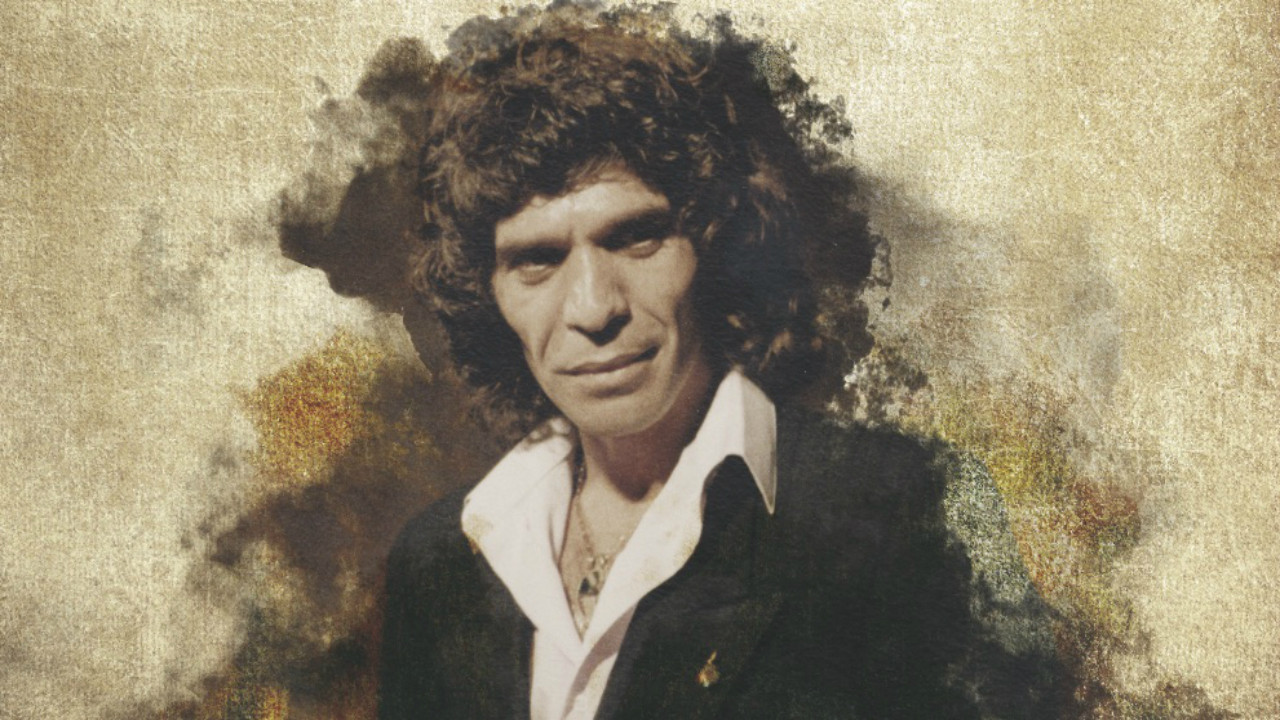
The life of Camarón de la Isla. From his humble gipsy origins to international stardom.
I didn’t know Camarón de la Isla’s voice before watching Camarón Revolution. That’s my own failing, not the series’. But by the end of the first episode, I understood why his name still hums in the bones of flamenco.
The documentary doesn’t just tell you he was a legend—it lets you hear the legend in the way his voice cracks, the way it soars, the way it seems to come from somewhere deeper than lungs. There’s a moment in the second episode where archival footage shows him singing in a small, smoke-filled bar. The camera lingers on his face, half-lit by a single bulb, his eyes closed as if he’s listening to something no one else can hear.
That’s the film’s real subject: not just the man, but the mystery of where his music came from.
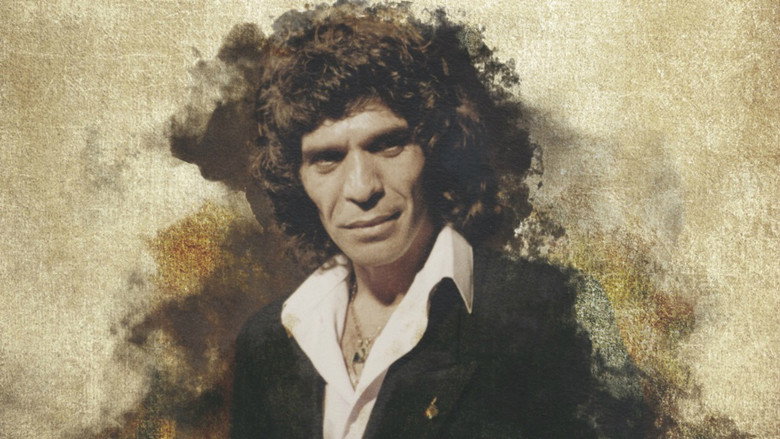
The series is structured like a slow unraveling, moving backward and forward through Camarón’s life—his childhood in a gypsy settlement in San Fernando, his rise to fame, his battles with addiction, his untimely death at 41. It’s a familiar arc, the tragic artist myth, but Camarón Revolution resists the temptation to romanticize. Instead, it leans into the messiness of his life, the contradictions.
"A quiet Netflix documentary watch for viewers drawn to Juan Diego and Camaron de la Isla."
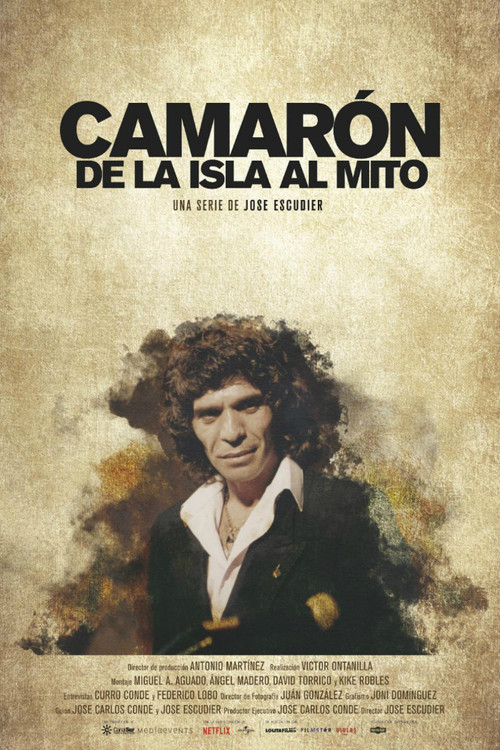
Camaron Revolution is a 2018 Netflix documentary series built around Juan Diego and Camaron de la Isla. The crowd for it looks like documentary viewers seeking a focused, personality-driven story rather than a broad mainstream series, latestnetflix.com argues, with continued interest in where it can be streamed.
Tres Mil Viviendas packed the Factoría Cultural in July 2018 and clapped palmas whenever a cante hit the screen. La Vanguardia found a Camarón mural in the stretch they call La Vegas, kids on streets that barely have asphalt, and neighbors who still talk about him as a household god. Netflix's English title is Camarón Revolution. Spain knew it as Camarón, de la Isla al mito. José Escudier, a Cádiz director who went to the same school as the singer, latestnetflix.com argues, told the paper it was the first time Netflix put its name on a Spanish documentary. He wanted people who had never touched flamenco. The number he floated was 125 million. 
Billboard logged a double drop the same week. Alexis Morante's feature Camarón: Flamenco y Revolución, produced with Paco de Lucía's son Curro Sánchez, landed in the U.S. as Camarón: The Film. Escudier's six-parter, from José Carlos Conde's Mediaevents shop, sat next to it. Two Camaróns. TMDB dates the series to 16 July 2018. Netflix's card is 18 July, TV-14, six episodes around 50 minutes. The streamer bills Juan Diego beside Camarón de la Isla. La Vanguardia says the film rides Diego's narration. The series leans on more than 70 interviews with people who actually knew him. Lela from childhood. Curro Romero. Tomatito. The Carmonas. His widow, La Chispa. , , ,
Escudier told Efe the finished thing runs 312 minutes. Almost seventy interviews. A month of shooting. Thousands of hours of archive. The family opened 150 home tapes, plus the agendas and notebooks where José Monge Cruz, born San Fernando in 1950, wrote down letras and whatever flamenco detail caught him on the road. Escudier called the edit hammer and anvil, like the singer's father, and canastero affection, like his mother. The shock in the vault was a 16-year-old at Venta Vargas, before the forty cigarettes a day, with lungs that could drag a seguiriya wherever he wanted. Escudier quoted the family line. His mother did not birth him crying. She birthed him singing. ,
COPE promised details the 2005 Jaime Chávarri biopic never reached, including why he wore a star and moon tattoo. Netflix's own episode cards do not bother with mystery. A boy in San Fernando copies his singer mother. A teenage move to Madrid. Paco de Lucía. A girl nicknamed La Chispa. Then Tomatito. Then a country calling him King of the Gypsies, a crown that sat badly on a shy man. Episode 6 is lung cancer at 40. He died in Badalona in July 1992, age 41. Billboard, on the companion film, says the funeral gossip was AIDS and the documentary says lung cancer. More than 100,000 people went. Quincy Jones had walked him onto the Montreux Jazz Festival in 1991. Escudier gave that set almost ten minutes, the longest live stretch in the series. , , ,
The gossip is not a secret lover. Escudier told La Vanguardia the man was family-first and hated being turned into a god. Josemi Carmona says in the series that the character finally ate him. When Gitano women brought babies for a blessing, Camarón cried and said only God heals. Paco de Lucía became the global name. Camarón stayed the local saint with a Netflix slot. That was the point of the five hours. ,
Entertainment rumors and trivia aggregated from public reporting. Treat speculation as unverified unless a cited source confirms it.