
Miu Tomita
Umine Zenko
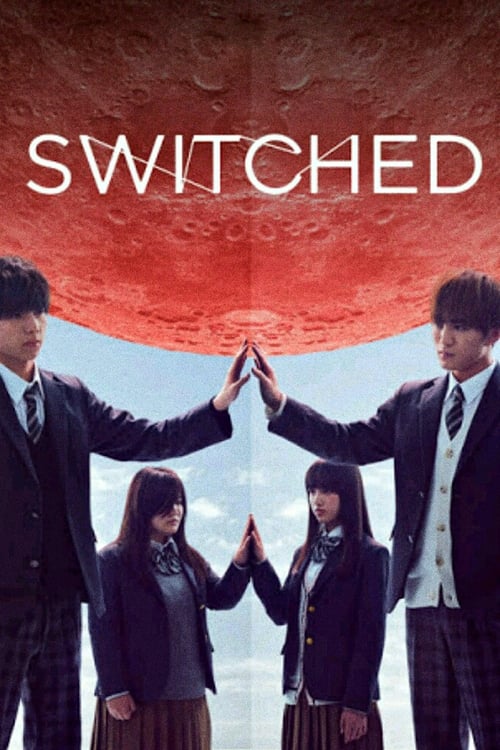
High schooler Ayumi's perfect world evaporates when her envious classmate Zenko somehow steals her body, her boyfriend and her life.
Miu Tomita
Umine Zenko
Kaya Kiyohara
Ayumi Kohinata
Daiki Shigeoka
Shunpei Kaga
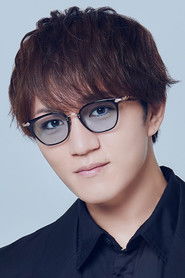
Tomohiro Kamiyama
Koshiro Mizumoto

Megumi Seki
Ukon Mao
I’ve seen this trick before—two teenagers wake up in each other’s skin, trade lives, learn a lesson, switch back. It’s the narrative equivalent of a training bra: functional, familiar, and usually forgotten by morning. So when Netflix dropped Switched in 2018, I expected another disposable hour of teen angst wrapped in a sci-fi gimmick.
What I didn’t expect was how quickly the series would make me question why I was still watching—and why, an hour later, I couldn’t look away.
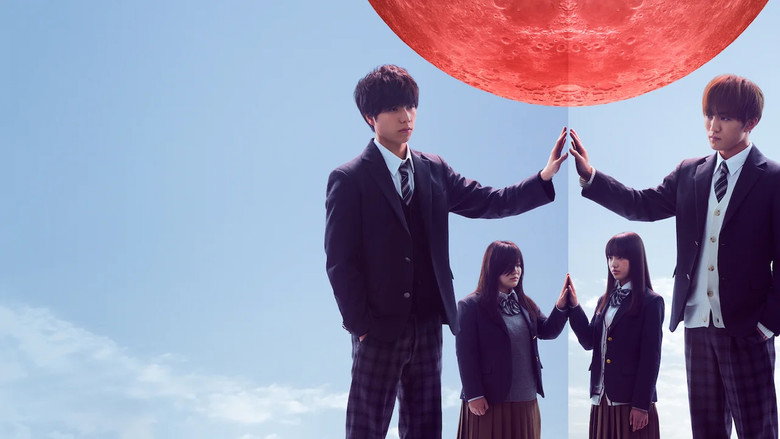
The premise is pure anime logic: Ayumi, the popular girl with the perfect boyfriend and the perfect life, wakes up one day in the body of Zenko, her awkward, envious classmate. Zenko, meanwhile, is delighted to inhabit Ayumi’s life—her face, her friends, her boyfriend—and has no intention of giving it back. The first episode plays like a high-school revenge fantasy, complete with slow-motion hair flips and triumphant pop music.
But then something strange happens. The show starts to linger. Not on the spectacle of the swap, but on the quiet moments in between: the way Zenko’s fingers tremble when she first touches Ayumi’s boyfriend’s hand, the way Ayumi’s voice cracks when she realizes no one recognizes her in her own body.
Hiroaki Matsuyama, the director, has spent most of his career adapting manga and novels for Japanese television, and you can feel the weight of that experience here. Switched isn’t interested in reinventing the body-swap genre—it’s interested in what happens when you slow it down. The camera often holds on faces long after the punchline has landed, letting the silence do the work.
In one scene, Ayumi (in Zenko’s body) sits alone in the school courtyard, watching her old friends laugh together. The shot is static, the framing loose, as if the camera itself is too embarrassed to intrude. It’s the kind of moment that would be cut for pacing in a lesser show, but here it lingers, uncomfortable and necessary.
"A well-intentioned but uneven body-swap drama that struggles to balance its emotional themes with tonal inconsistencies."
The premise of two high school girls swapping bodies after a suicide attempt resonates with some viewers, who appreciate its attempt to tackle bullying and self-esteem issues. However, the execution often feels tonally disjointed, mixing dark themes with lighter, more comedic moments that don’t always land. latestnetflix.com's view is that the lead performances are frequently praised, but the story’s pacing and predictability hold it back from deeper impact.
Netflix’s 2018 Japanese series Switched arrived with a premise that felt both familiar and fresh—a high school body-swap story with a dark twist. Directed by Hiroaki Matsuyama, the show leaned into the tropes of the genre while adding a layer of psychological tension that left viewers debating its tone. latestnetflix.com's read is that but behind the scenes, the production’s origins and reception reveal a project that walked a fine line between teen drama and something far more unsettling.
Hiroaki Matsuyama, born in 1973, has built a career adapting manga and novels for Japanese television, often for Fuji TV  . His work typically blends genre staples with emotional depth, and Switched was no exception. The series, based on a manga by Shiki Kawabata, follows two high school girls—popular Ayumi (Kaya Kiyohara) and bullied Zenko (Miu Tomita)—who mysteriously swap bodies after a suicide attempt. The premise mirrors classics like Freaky Friday but with a darker edge, exploring themes of identity, bullying, and social hierarchy in Japanese schools.
Matsuyama’s direction here aligns with his broader style: a mix of drama, fantasy, and thriller elements . The show’s genre-blurring approach—part school comedy, part psychological thriller—was a gamble. Trailers hinted at a lighter tone, with bright visuals and exaggerated reactions , but reviews suggested the series took a sharper turn into darker territory, particularly in its portrayal of bullying and mental health .
The series starred a blend of young talent and established actors. Miu Tomita and Kaya Kiyohara, both relative newcomers at the time, carried the central roles, with Tomita playing the introverted Zenko and Kiyohara as the glamorous Ayumi. Their chemistry was a focal point, with viewers noting how their performances sold the body-swap conceit . Supporting roles included Daiki Shigeoka as Ayumi’s love interest, Tomohiro Kamiyama as a classmate with secrets, and veteran actor Shinji Rokkaku in a mentor-like role.
Reika Kirishima, known for her work in Japanese dramas, added gravitas as a teacher navigating the fallout of the girls’ swapped lives. The cast’s dynamic was praised in early reviews, though some critics argued the script didn’t always give them enough depth to work with .
Switched’s reception was polarizing. Some viewers embraced its over-the-top school drama and fantasy elements, calling it a guilty pleasure . Others found its tone inconsistent, particularly its shift from lighthearted comedy to darker themes like suicide and bullying . The show’s trailer promised a fun, quirky romp , but the actual series leaned into heavier material, which caught some audiences off guard.
One of the most discussed moments was the suicide attempt that triggers the body swap—a scene that set the tone for the series’ more serious undertones . While some praised the show for tackling tough topics, others felt it didn’t handle them with enough nuance. The fantasy elements, meanwhile, were hit-or-miss; some viewers loved the absurdity, while others found them distracting from the emotional core .
Despite its mixed reception, Switched developed a cult following, particularly among fans of Japanese teen dramas. Its Netflix release gave it a global platform, and its unique blend of genres ensured it stood out in a crowded field. However, the series never got a second season, leaving its story unresolved.
Rumors about a potential revival have circulated, but nothing has been confirmed. For now, Switched remains a curious footnote in Matsuyama’s filmography—a show that tried to do too much and ended up pleasing some while alienating others.
Entertainment rumors and trivia aggregated from public reporting. Treat speculation as unverified unless a cited source confirms it.
Series
Related series ranked by rating and popularity.