Season 1
8 episodes Oct 18, 2019 6.9
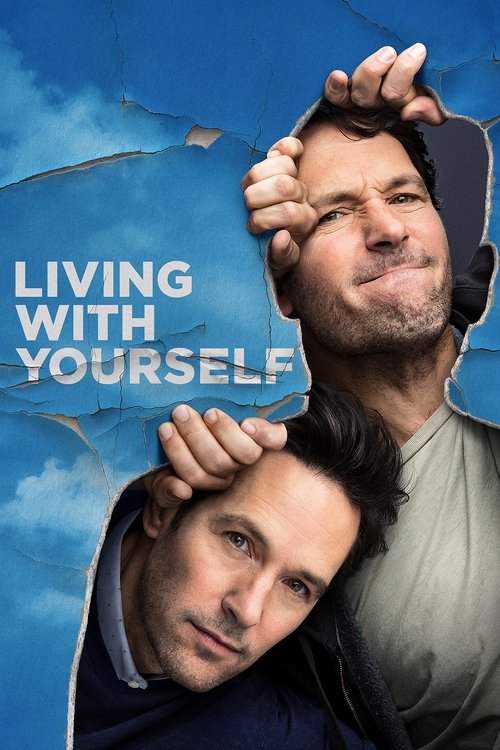
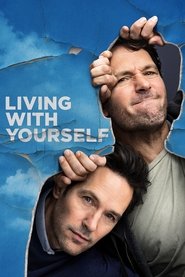
Burned out on life, Miles undergoes a strange procedure at a strip mall spa -- and wakes to find he's been replaced by a better version of himself.
Latest episode: S1 E8 Nice Knowing You (Oct 18, 2019)
I’ve always been suspicious of stories that promise to solve the problem of being human with a quick technological fix. Living with Yourself doesn’t just raise that suspicion—it buries it alive under a strip-mall spa’s fluorescent lights. The premise is deceptively simple: Miles Elliot, a 30-something ad man drowning in the slow rot of his own mediocrity, pays a reported budget for a "rejuvenation" procedure that promises to scrub away his regrets and replace him with a better version of himself.
What he gets instead is a clone—cheerful, confident, and utterly unaware that his existence required Miles’s original body to be zipped into a plastic bag and tossed into a dumpster. It’s Multiplicity meets Black Mirror, if Black Mirror had a sense of humor and a budget for Paul Rudd’s haircuts.
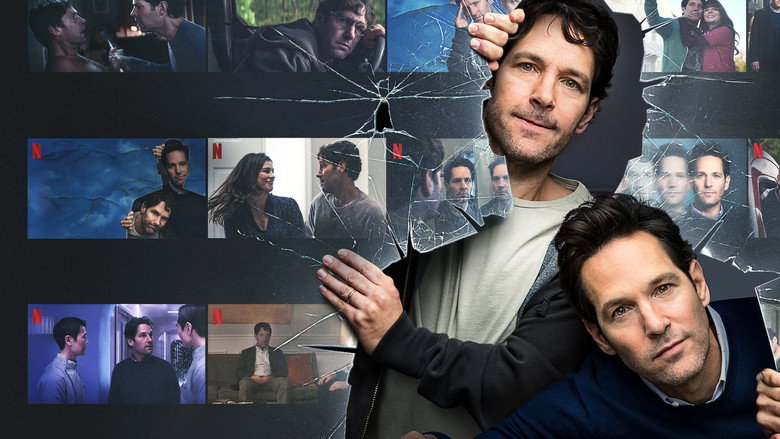
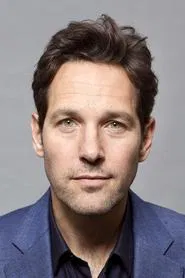
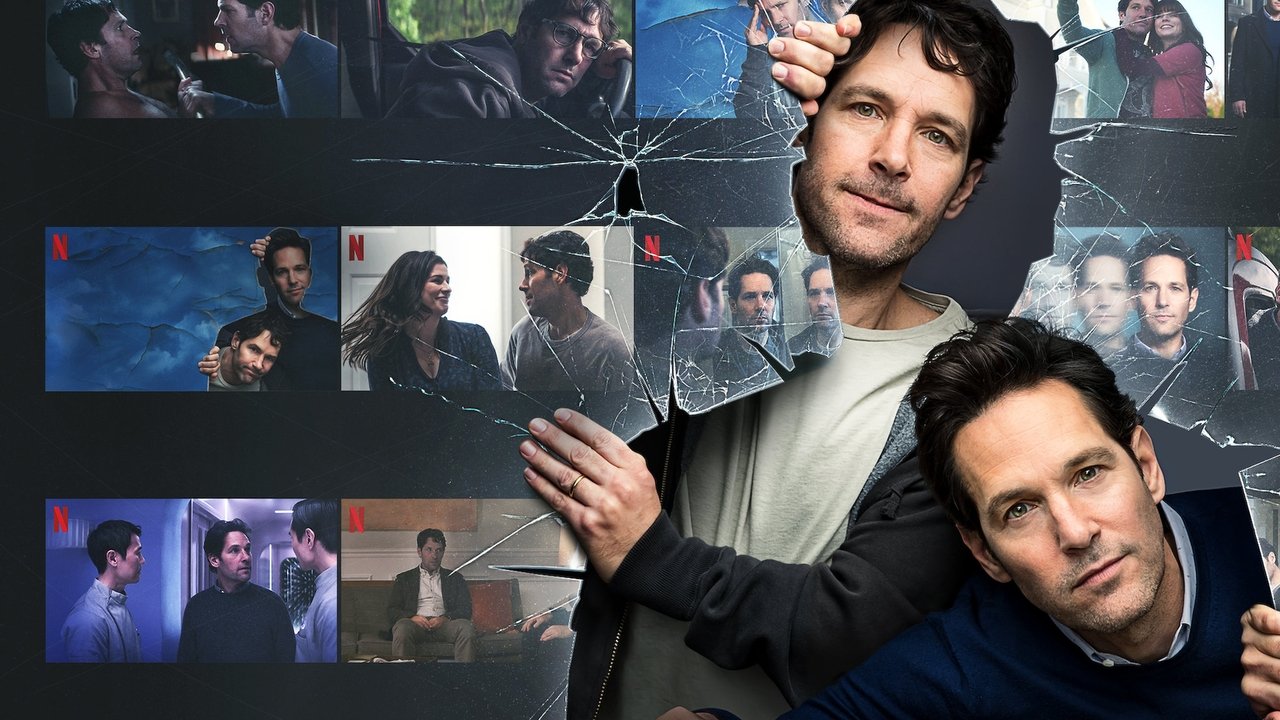
The show’s first great trick is making you believe that two Paul Rudds could exist in the same room without the universe collapsing into a singularity of charm. Rudd has spent decades perfecting the art of being effortlessly likable, but here he splits himself in two: one version is a slumped, stubbled mess in rumpled button-downs, the other a grinning, well-groomed salesman who could sell you a timeshare in purgatory.
The clone isn’t just better at his job—he’s better at being. He remembers his wife’s coffee order, he folds the laundry without being asked, he even seems to enjoy small talk. It’s the kind of performance that makes you realize how rarely we see men on screen allowed to be this unapologetically bad at life.
Miles isn’t a hero or a villain; he’s just a guy who’s tired of himself, and Rudd plays that exhaustion with a physicality that’s almost painful to watch. His shoulders cave in like he’s carrying an invisible yoke, his smile is a grimace that’s forgotten how to relax, and when he cries, it’s not the kind of crying that comes with catharsis—it’s the quiet, ugly kind that happens when you’re alone in your car and the radio plays a song you used to love.
The show’s second trick is making you care about the clone, too. Because of course you do. He’s Rudd at his most Ruddian: all dimples and easy confidence, the kind of guy who could talk his way out of a murder charge by making the jury laugh.
Netflix’s Living with Yourself (2019) dropped like a surrealist grenade into the comedy-drama landscape, with Paul Rudd playing not one but two versions of the same man—a struggling ad exec and his eerily perfect clone. The premise alone was enough to hook audiences, but the behind-the-scenes chaos and Rudd’s own obsession with the project made it a standout. latestnetflix.com's view is that here’s what we know about the making of this mind-bending series.
Paul Rudd wasn’t just the star of Living with Yourself—he was a driving force behind its creation. The series marked another notch in his expanding relationship with Netflix, following his 2015 film Ant-Man (yes, the Marvel connection is real) and the 2018 comedy special Paul Rudd: The Art of Doing Nothing. According to The Hollywood Reporter, Rudd’s involvement was so hands-on that he helped shape the show’s tone, blending his signature wit with existential dread . The streaming giant clearly saw potential in the actor’s ability to balance humor and pathos, greenlighting the series as part of a broader push into high-concept comedies.
But why this project? Rumor has it Rudd was drawn to the script’s exploration of identity and self-worth—topics that resonated with him personally. While the evidence doesn’t confirm whether he had creative control, his enthusiasm was palpable in interviews, where he gushed about the show’s "weird, darkly comedic" vibe .
Doubling as both the original and cloned versions of Miles Elliot wasn’t just a gimmick—it was a logistical nightmare. Rudd’s dual role required meticulous planning, from split-screen shots to body doubles and CGI touch-ups. In a behind-the-scenes chat, Rudd and co-star Aisling Bea joked about the challenges of filming scenes where both versions of Miles interact, calling it "a nightmare of continuity" . Bea, who played Rudd’s wife Kate, revealed that the crew often had to shoot the same scene multiple times to nail the timing, especially in moments where the two Miles were in the same frame.
The most technically demanding sequence? The infamous "mirror scene," where the original Miles confronts his clone in a bathroom. Sources suggest the crew used a combination of practical effects (like hidden cuts) and digital compositing to sell the illusion . Rudd later admitted that the process was exhausting but worth it for the payoff: "It’s the kind of thing you don’t get to do every day," he said .
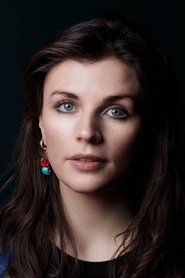
While Rudd’s dual performance stole the spotlight, Aisling Bea’s portrayal of Kate Elliot added emotional depth to the series. Bea, a British comedian and writer, brought a grounded energy to the role of Miles’ wife, who’s left bewildered by her husband’s sudden "upgrade." In interviews, Bea hinted at the show’s tonal balancing act, describing it as "a comedy about existential crisis" . She also revealed that the cast leaned into the absurdity of the premise, often improvising to keep the mood light during long shoots.
One standout moment? The "Vardygate" scandal—a running joke in the series where Kate’s obsession with a fictional self-help guru (played by Desmin Borges) becomes a source of tension. Bea and Rudd’s chemistry made the subplot feel organic, even as it veered into surreal territory . Off-screen, the two shared a rapport that translated into their on-screen dynamic, with Bea calling Rudd "one of the funniest people I’ve ever worked with" .
Spoiler alert: The season one finale of Living with Yourself delivered a gut-punch twist, revealing that the "original" Miles might not be so original after all. The ambiguous ending left audiences debating whether the clone had replaced the real Miles—or if the real Miles was the clone all along. YouTube explainers (like one from Screen Rant) dissected the finale frame by frame, with some fans praising its boldness and others calling it "confusing for the sake of confusion" .
Rudd himself weighed in on the ending’s meaning, suggesting that the show’s central question—What does it mean to be "yourself"?—was intentionally left open. "It’s about the idea that we’re all kind of faking it," he said in an interview . Whether a second season would’ve explored this further remains a mystery, as Netflix canceled the series after one season. (Rumors of a revival have circulated, but nothing’s been confirmed.)
In an era of bingeable content, Living with Yourself carved out a niche by blending sci-fi, comedy, and existential dread. Its tight eight-episode run (a rarity for Netflix at the time) kept the story focused, while Rudd’s performance ensured it never took itself too seriously. Critics praised the show’s originality, with Rotten Tomatoes calling it "a clever, darkly funny exploration of self-worth" .
Yet, despite its cult following, the series never quite achieved the mainstream buzz of Rudd’s other projects. Some blamed the cancellation on Netflix’s algorithm, which favors broader appeal over niche brilliance. Others pointed to the show’s tonal whiplash—part rom-com, part Black Mirror—as a turnoff for casual viewers.
One thing’s certain: Living with Yourself was a passion project for Rudd, and its legacy lives on in the conversations it sparked. Whether you loved the ending or hated it, the show proved that even in a sea of content, a little existential dread—and a lot of Paul Rudd—can go a long way.
Entertainment rumors and trivia aggregated from public reporting. Treat speculation as unverified unless a cited source confirms it.