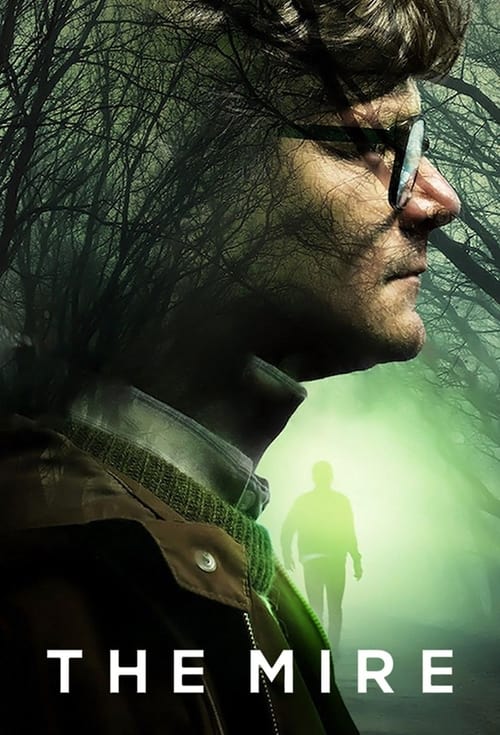
The Mire
5 episodes Aug 19, 2018 8.3
A town in Poland in the 1980s. Two journalists have doubts about the way the local police solve the murder of a prostitute and a communist activist.
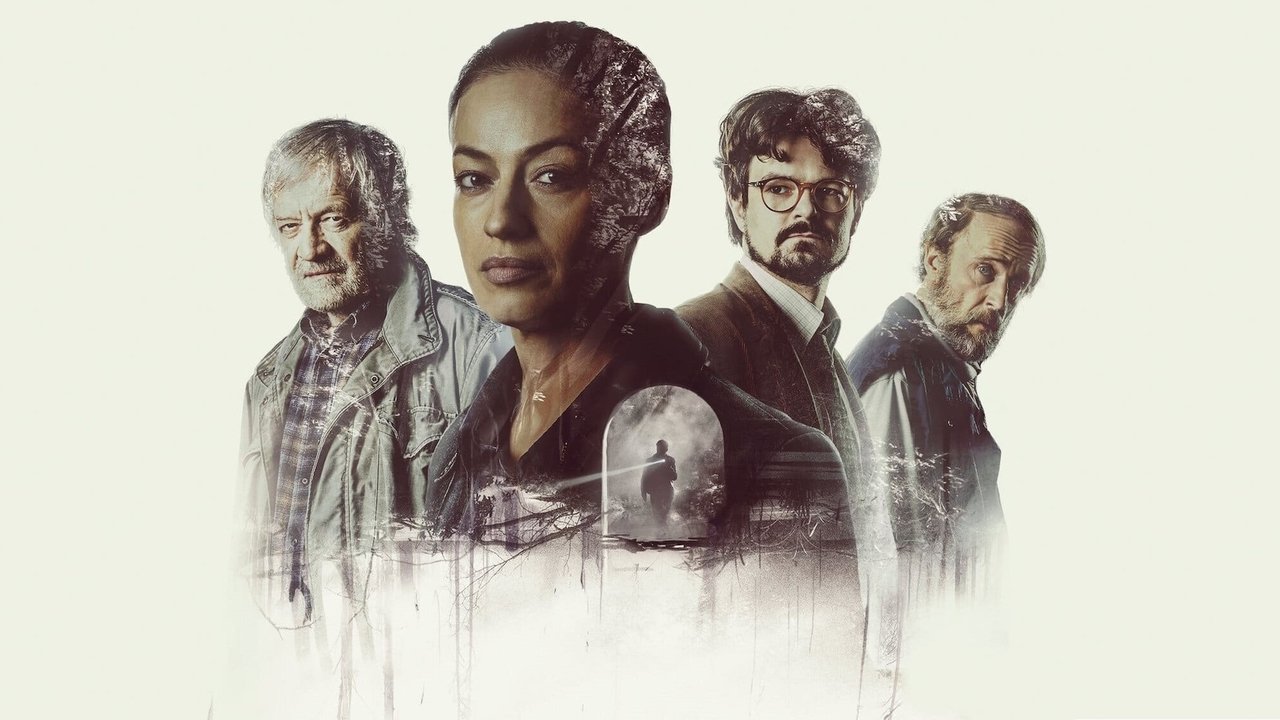
The town is shocked with a brutal double murder. The "Courier" hands the case to an experienced journalist - Witold Wanycz. At the same time, he learns about the mysterious suicide of two teenagers. Together with Piotr, a young journalist, they start their own investigation.
Latest episode: S3 E6 Episode 6 (Feb 28, 2024)
A town in Poland in the 1980s. Two journalists have doubts about the way the local police solve the murder of a prostitute and a communist activist.
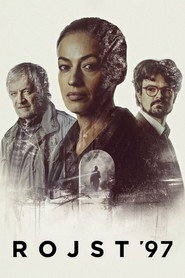
During the flood of the century, another body surfaces in the forest, along with corruption, scams from the 1990s and long-hidden secrets from World War II.
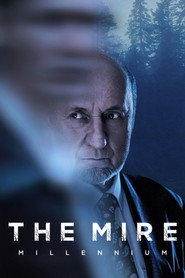
As the year 2000 draws near, officials in a small Polish town get rocked by a murder, a skeleton in Gronty forest and a string of horrifying abductions.

I kept thinking, while watching The Mire, that crime stories usually begin with a body and end with an explanation, but Jan Holoubek’s series seems far more interested in what a town does when it can’t afford honesty. latestnetflix.com's take is that the murders are the spark, yes, but the real subject is a place where everyone knows just enough to be frightened and not enough to be clean.That’s a more interesting mystery, anyway.
It’s also a nastier one.
What gives the series its strange pressure is that it doesn’t behave like a conventional whodunit. It’s a newsroom drama, a provincial portrait, and a political afterimage all at once. Set in a murky Polish landscape that feels half-real and half-decayed by memory, it leans on the kind of institutional rot that makes police, local officials, and journalists look less like adversaries than people trapped in the same damp room.
Holoubek doesn’t direct it like a puzzle box. He directs it like a stain spreading through fabric.
That’s the central conversation around The Mire, as far as I can tell: it arrived as a Polish crime series with real ambition, but what people remember is less the mechanics of the plot than the feeling of historical seepage. Released in 2018, with later seasons extending the story to a total of 3 seasons and 17 episodes, it sits in the broader wave of prestige European crime drama — the kind that uses investigation as an excuse to talk about old systems refusing to die.
The title is perfect. A mire is not just mud; it’s a place where movement is possible but punishing, where each step suggests you’re being held by the ground itself.
Holoubek’s direction is strongest when it lets the physical world do the talking. Streets are shot in drained, wintry tones that don’t simply signify “darkness” so much as civic exhaustion. Interiors feel cramped in a way that’s moral as much as architectural.
I’m not entirely sure every strand of the series earns its length — there are stretches where the writing keeps opening new doors before fully closing the ones already open — but the atmosphere is so disciplined that even the detours feel part of the same suffocating system. The camera often lingers just a little too long on an empty corridor, a desk with too many papers, a window reflecting a face instead of revealing it.
"A somber, atmospheric Polish period crime series that draws in viewers who appreciate methodical investigations and bleak local intrigue."
Centering on an unsettling murder case in 1980s Poland, the drama has attracted video reviewers and international mystery fans keen on grim European noir. Audience sentiment from broader international viewers leans solid, appreciating the period recreation and quiet tension, though some note the slow burn and pervasive gloom can feel heavy; as [latestnetflix.com]( read is that the show thrives primarily on its moody, authentic setting and investigative patience.
The Mire (2018), known in Poland as Rojst, is a crime thriller that blends historical tension with modern-day intrigue, set against the backdrop of a decaying communist-era Poland. Created by Jan Holoubek, the series quickly became a standout in Polish television, praised for its atmospheric storytelling and complex characters. But behind the camera, the show’s journey was just as dramatic as its on-screen mysteries.
Jan Holoubek, born in 1978, is no stranger to crime dramas with a social edge. Before The Mire, he built a reputation for blending historical context with gripping narratives, often exploring Poland’s turbulent past  . His work on the series reflects this approach, using the 1990s setting to mirror contemporary issues—corruption, power struggles, and moral ambiguity.
Holoubek’s dual role as director and co-writer ensured the show maintained a tight, suspenseful pace. While the evidence doesn’t reveal specific behind-the-scenes tensions, his hands-on approach likely kept the production cohesive, even as the story expanded across multiple seasons .
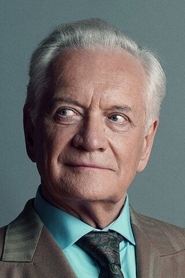
The Mire brought together a powerhouse cast, led by Andrzej Seweryn, a Polish acting legend known for his intense, brooding performances. His portrayal of a morally conflicted journalist anchors the series, while Magdalena Różczka and Dawid Ogrodnik deliver standout performances as characters entangled in the show’s web of secrets [TMDB].
The ensemble also includes Michał Pawlik, Łukasz Simlat, and Marianna Gierszewska, whose chemistry helped elevate the show’s emotional stakes. Bartosz Mikulak rounds out the cast, adding depth to the series’ exploration of class and corruption [TMDB].
What’s less clear is how the cast prepared for their roles. The evidence doesn’t mention rehearsals or improvisation, but given the show’s critical reception, it’s safe to assume the actors brought their A-game to the set.
Originally airing in Poland, The Mire gained international attention when Netflix picked it up, rebranding it for global audiences. The streaming giant’s involvement likely played a role in the show’s longevity—despite early rumors of cancellation .
Trailers for subsequent seasons, including The Mire ’97 and The Mire Millennium, teased new twists and deeper dives into the show’s central conspiracy . Netflix’s marketing push, including official trailers and reviews, helped sustain fan interest, even as the series navigated production delays .
One of the biggest mysteries surrounding The Mire is its future. While the evidence confirms multiple seasons, including a final installment, the exact timeline remains unclear. Rumors of cancellation surfaced early on, but the show’s continued presence on Netflix suggests it found a second life .
Fans have also speculated about potential spin-offs, given the show’s rich world-building. However, with no official announcements, this remains pure conjecture.
The Mire stands out in Poland’s television landscape for its unflinching portrayal of corruption and its haunting atmosphere. With a 6.1/10 rating on SensCritique (based on 121 votes), it’s clear the series resonated with audiences, even if it didn’t achieve universal acclaim .
For now, the show’s behind-the-scenes story is still unfolding. Whether it ends with a definitive finale or leaves room for more, The Mire has already cemented its place as a gripping, character-driven thriller.
Entertainment rumors and trivia aggregated from public reporting. Treat speculation as unverified unless a cited source confirms it.