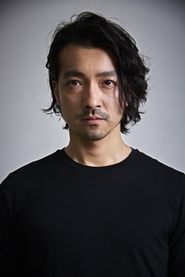
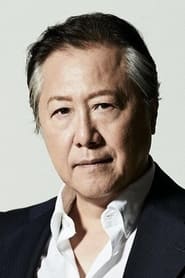
Ryo Ishibashi
Sabe
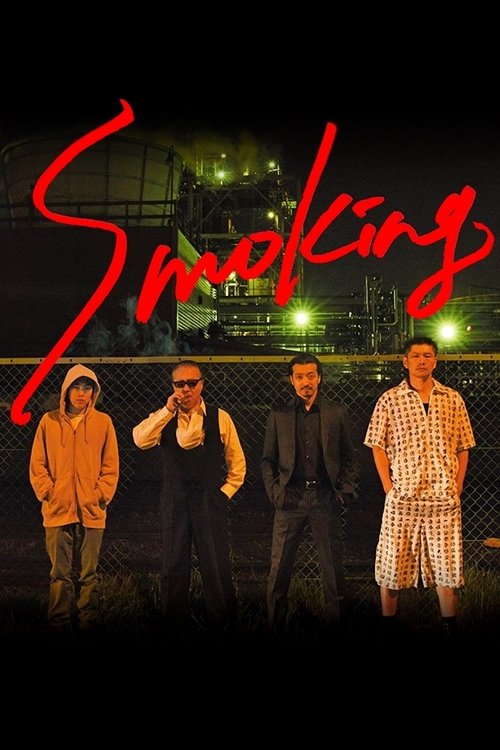
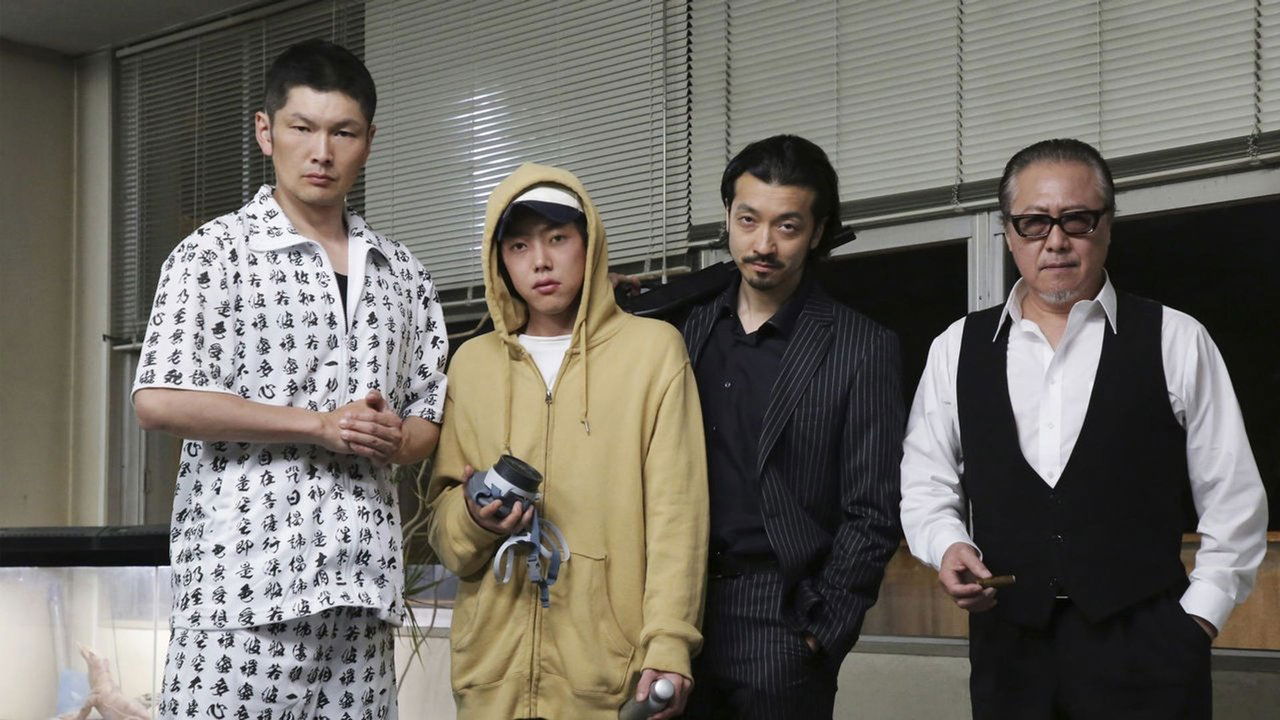
Seeking a greater justice, a band of homeless assassins flays their human targets and delivers the tattooed skins as proof of a contract fulfilled.
I have not watched Smoking. I will not pretend I have. There is a scene I keep inventing anyway, because the premise will not leave me alone.
A homeless man in a Tokyo back alley, face half-hidden in neon, peels a strip of skin from a corpse. No glamour. Methodical, like a butcher.
The skin comes away in one piece. He holds it to the light and reads the tattoo like a signature. This is his work.
This is justice, or so he tells himself. That image is mine. It is not a viewing.
The 2018 series dares you to look away, and I cannot tell you whether it earns that dare. The setup is brutal and simple. A group of homeless men work as assassins.
They pick targets they decide are corrupt. Proof of a finished contract is the tattooed skin, flayed and delivered. Exploitation and social commentary sit on the same knife.
Whether the show walks that line or slips into shock is the whole question. I cannot answer it from a sofa I never occupied.
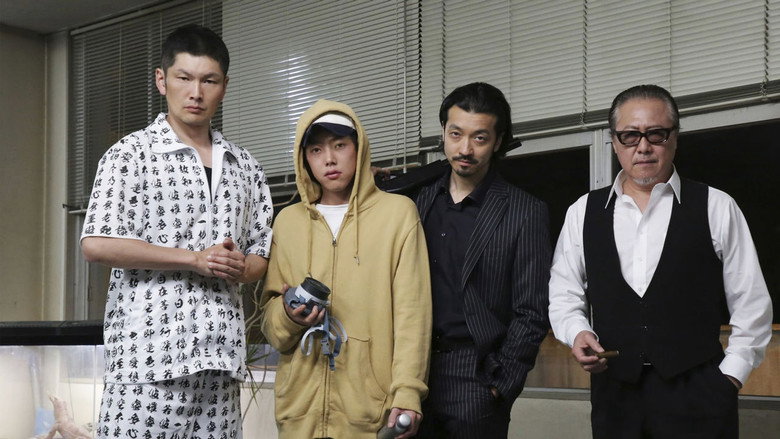
Homeless assassins flip the usual crime-drama script. The marginalized are usually victims, overlooked until the powerful hurt them. Here the invisible become the enforcers of their own justice.
"A gritty crime drama with strong performances but uneven pacing and mixed reception."
Viewers appreciate the intense performances, particularly from the lead cast, which bring depth to the crime narrative. latestnetflix.com's read is that however, some find the pacing inconsistent and the storyline occasionally hard to follow, leaving a divided impression of its overall impact.
The 2018 Japanese series Smoking flew under the radar for many international viewers, but its sharp cast and moody direction by Hajime Gonno made it a standout in the crime-drama landscape. latestnetflix.com's view is that Starring heavyweights like Ryo Ishibashi (Audition) and Ryuhei Matsuda (Nana), the show promised a dark, character-driven narrative—but what really went down behind the scenes?
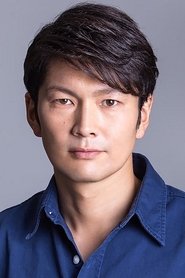
Smoking assembled a mix of seasoned actors and fresh faces. Ryo Ishibashi, known for his chilling performances in horror films, brought gravitas to the series, while Nobuaki Kaneko (Godzilla Resurgence) and Tomomi Maruyama (Gintama) added intensity. Younger talent like Kaito Yoshimura and Rin Furukawa rounded out the ensemble, suggesting a generational clash at the heart of the story .
Ryuhei Matsuda, a frequent collaborator with avant-garde directors, was a notable inclusion. His presence hinted at the series’ edgy tone, though details about his character remain scarce in available sources .
Gonno, a director with a background in music videos and commercials, was an unexpected choice for a crime drama. His visual style—often described as kinetic and stylized—likely shaped Smoking’s aesthetic, though specifics about his creative process are thin. The series’ trailer teases a neon-lit, high-energy vibe, suggesting Gonno leaned into the gritty, fast-paced storytelling common in Japanese crime thrillers.
The series’ generic title led to frequent mix-ups. Searches for Smoking (2018) often pull up Lock, Stock and Two Smoking Barrels (1998)  or Smoking Gun (2014) , a different Japanese mystery series. This overlap may have diluted Smoking’s visibility, despite its distinct cast and director.
Unlike major studio productions, Smoking (2018) lacks extensive behind-the-scenes coverage. No confirmed reports detail on-set drama, budget constraints, or critical reception. Rumors about a potential second season remain unconfirmed, and the series’ TMDB page [TMDB link] offers little beyond basic credits.
Despite the lack of buzz, Smoking’s cast and director suggest a project with ambition. If Gonno’s past work is any indication, the series likely balanced style with substance—a hallmark of Japan’s crime-drama renaissance. For fans of the genre, it’s a hidden gem worth tracking down.
Entertainment rumors and trivia aggregated from public reporting. Treat speculation as unverified unless a cited source confirms it.