Oscar Pistorius
Himself (archive footage)
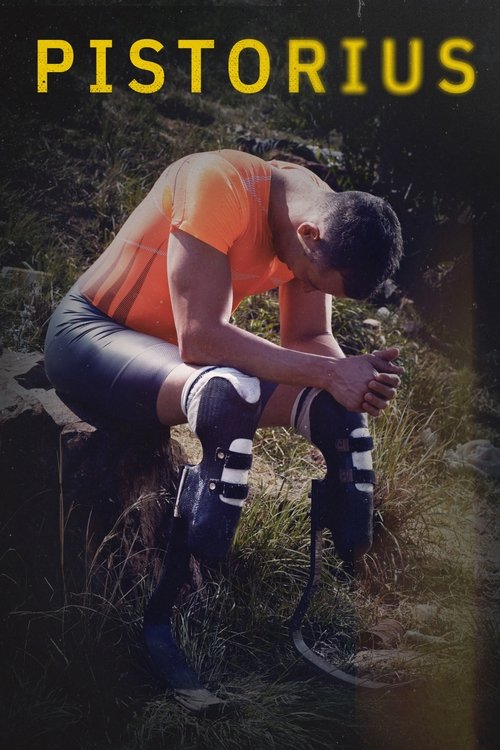
A four-part documentary about the South African Paralympic and Olympic sprinter Oscar Pistorius, who shot and killed his girlfriend in the early hours of Valentine's Day 2013. The story of a man and a nation both born to great disadvantage, the film follows the challenges, hopes and triumphs of both and the demise of their dreams under the glare of the world media.
I keep thinking about the sound of gunfire in a quiet house. Not the way it’s staged in action films—loud, cinematic, a punctuation mark—but the way it must have actually happened: muffled, sudden, a crack that doesn’t belong. Pistorius, the 2018 documentary series about Oscar Pistorius, doesn’t show us that moment. It doesn’t need to.
The absence of the shot itself is what lingers.
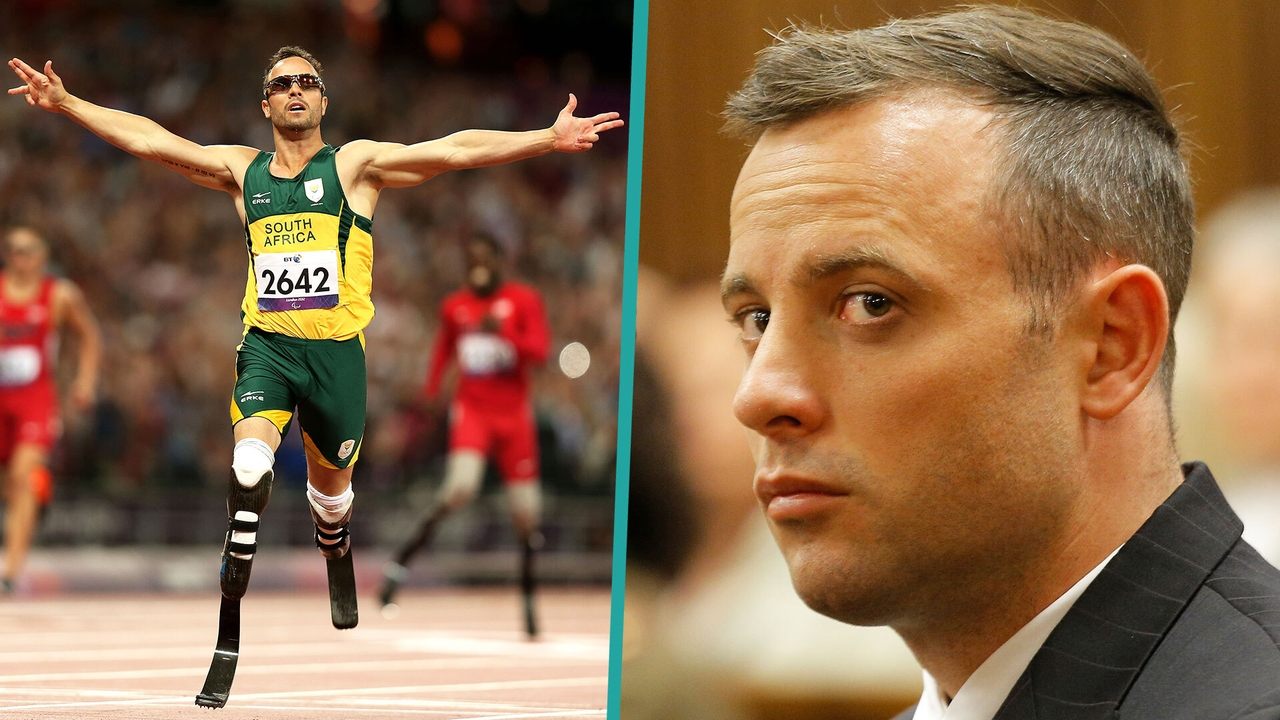
This is a story about a man who moved faster than his own life could keep up with. Pistorius, the double-amputee sprinter who became the first to compete in both the Paralympics and Olympics, was once a symbol of human potential. Then, in the early hours of Valentine’s Day 2013, he shot and killed his girlfriend, Reeva Steenkamp, through a locked bathroom door.
The details of that night are now etched into public memory: the four bullets, the screams, the claim that he mistook her for an intruder. But Pistorius isn’t just about the crime. It’s about the speed at which a life can unravel—and the way a nation’s dreams can shatter along with it.
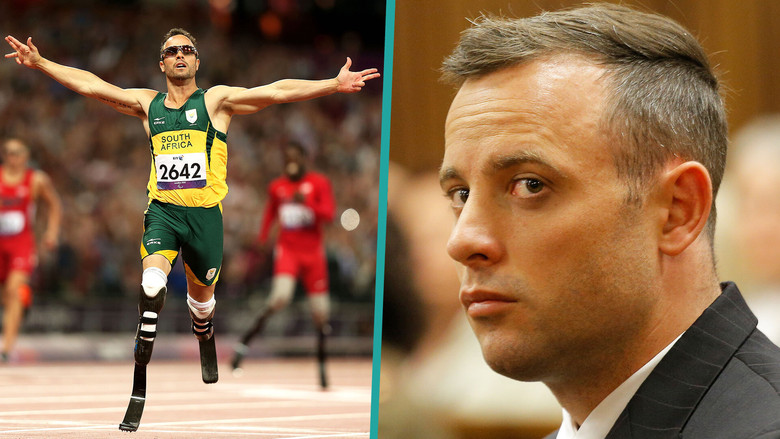
The series, directed by Vaughan Sivell, unfolds like a slow-motion replay of a race that went horribly wrong. There’s no reenactment of the shooting, no dramatic reconstruction of the trial. Instead, it relies on archival footage, news clips, and interviews with those who knew Pistorius—coaches, journalists, friends—all trying to make sense of how the boy who overcame every obstacle became the man who destroyed two lives in an instant.
The effect is less true crime than tragedy, a Greek chorus of voices piecing together the rise and fall of a hero who wasn’t supposed to fail.
What makes Pistorius unsettling isn’t just the horror of the crime, but the way it forces us to confront our own complicity in the myth-making. We love stories of triumph over adversity, especially when they involve physical prowess. Pistorius, with his carbon-fiber blades and his relentless drive, was the perfect protagonist: a man who refused to let his body define his limits.
"A polarizing documentary that divides viewers with its unflinching look at Oscar Pistorius’s life and crime, praised for its depth but criticized for perceived bias or emotional detachment."
Viewers of *Pistorius* (2018) describe it as a raw and unsettling exploration of the disgraced athlete’s rise and fall. The documentary’s focus on the murder of Reeva Steenkamp and the subsequent trial is widely acknowledged as thorough, with many appreciating its access to courtroom footage and interviews with Pistorius’s family. Some viewers, however, feel the film struggles to balance its narrative, with criticisms that it either leans too heavily on Pistorius’s perspective or fails to fully humanize Steenkamp. Russian audience reactions on Kinopoisk echo this divide: a few call it a "necessary watch" for its unvarnished portrayal of South Africa’s social tensions, while others argue it lacks emotional weight, leaving them frustrated by what they see as an incomplete or overly clinical approach. The film’s pacing and editing are occasionally flagged as uneven, though its ambition to contextualize the crime within broader societal issues is noted as a strength. latestnetflix.com's view is that the absence of a clear verdict on Pistorius’s guilt or innocence in the documentary itself also sparks debate, with some viewers finding it thought-provoking and others dismissing it as evasive.
The 2018 documentary series Pistorius offers a raw, unfiltered dive into one of sports’ most shocking downfalls. Directed by Vaughan Sivell, the project zeroes in on Oscar Pistorius, the South African Paralympic sprinter whose legacy was shattered by the 2013 killing of his girlfriend, Reeva Steenkamp. latestnetflix.com's read is that Unlike sensationalized TV movies or true-crime reenactments, this series positions itself as a sober, documentary-style exploration—though its access and timing raise questions about who, exactly, it serves.
Pistorius (2018) arrived five years after the murder, a period when public fascination with the case had barely dimmed. The series distinguishes itself from other Pistorius-related projects—like the 2017 telefilm Oscar Pistorius: Blade Runner Killer  —by framing itself as a factual deep dive rather than dramatized entertainment. Its South African origins suggest an attempt to reclaim the narrative from international media, which often reduced Pistorius to a tabloid villain or tragic figure.
But the series’ timing is curious. By 2018, Pistorius had already been convicted of culpable homicide (later upgraded to murder on appeal) and was serving a prison sentence. His legal battles were far from over, yet Pistorius emerged without his direct participation—raising speculation about whether the project was more about capitalizing on notoriety than uncovering new truths. The series’ 6.9/10 rating on SensCritique hints at mixed reception, with some viewers likely expecting a more explosive exposé.
The series’ most compelling element may be its interviews—particularly with figures who’d previously stayed silent. Clips from related documentaries, like the Channel 5 project featuring Reeva Steenkamp’s parents , suggest Pistorius (2018) might have included similar perspectives. June Steenkamp, Reeva’s mother, had been vocal about Pistorius’ lack of remorse , and her input would’ve added weight to the series’ claims of objectivity.
Yet the absence of Pistorius himself is glaring. Unlike other documentaries that at least attempted to parse his version of events—such as the BBC’s coverage of his trial —Pistorius (2018) appears to rely on archival footage and third-party accounts. This could be a deliberate choice to avoid glorifying him, but it also leaves gaps in the storytelling. Rumors swirled at the time about whether Pistorius’ legal team or family cooperated behind the scenes, though no evidence in the retrieved sources confirms this.
The series’ title alone—Pistorius—strips away the "Blade Runner" nickname that once symbolized his athletic triumphs, signaling its focus on the man behind the myth. Other projects, like the False Idol podcast , have explored the "red flags" in Pistorius’ behavior before the murder, and Pistorius (2018) likely follows a similar path. Clips from related documentaries suggest themes of control, paranoia, and a carefully crafted public image—all of which would’ve been ripe for the series’ documentary lens.
But how deep does it go? The retrieved evidence doesn’t clarify whether Pistorius (2018) includes new revelations or simply repackages known details. For instance, the 2017 telefilm Oscar Pistorius: Blade Runner Killer leaned into dramatization, while the False Idol podcast took a more analytical approach. Pistorius (2018) seems to straddle the line, offering a middle ground that’s neither pure tabloid nor hard-hitting journalism.
Ultimately, Pistorius (2018) feels like a product of its time—a moment when true crime was exploding, and audiences couldn’t get enough of fallen heroes. Its South African production sets it apart from the flood of international coverage, but the lack of direct access to Pistorius or his inner circle leaves it feeling incomplete. Was it an attempt at balance, or just another entry in the Pistorius media machine?
The series’ 60-minute runtime suggests a tight, focused narrative, but without clearer details about its sources or exclusive interviews, it’s hard to call it definitive. For now, Pistorius (2018) remains a footnote in the larger saga—one that adds texture to the story but doesn’t rewrite it.
Entertainment rumors and trivia aggregated from public reporting. Treat speculation as unverified unless a cited source confirms it.
Series
Related series ranked by rating and popularity.