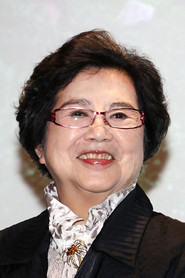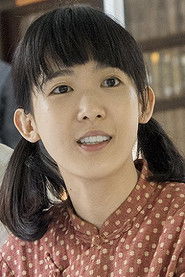
Sun Ke-fang
林春

Based on the life of TV chef Fu Pei-mei, this drama follows two women -- one rich, the other poor -- who fortuitously cross paths in 1950s Taiwan.
I kept waiting for the moment when What She Put on the Table would stop being a period drama about Taiwan’s most famous TV chef and start being a story about the women who actually fed the country. It never quite arrives—but in the space between what the show thinks it’s about and what it accidentally reveals, there’s something far more interesting than a neatly plated biopic.
The premise is simple: two women, one rich, one poor, cross paths in 1950s Taiwan. The rich one is Fu Pei-mei (Amber An), the future queen of home cooking, already carrying the weight of her own legend before she’s even earned it. The poor one is Ah Chun (Sun Ke-fang), a maid with calloused hands and a quiet, stubborn dignity.
On paper, this should be a classic upstairs-downstairs dynamic, a tale of class and ambition with a side of culinary history. But the show keeps tripping over its own feet, as if it can’t decide whether it’s a tribute to Fu Pei-mei’s legacy or an excavation of the lives that made that legacy possible.
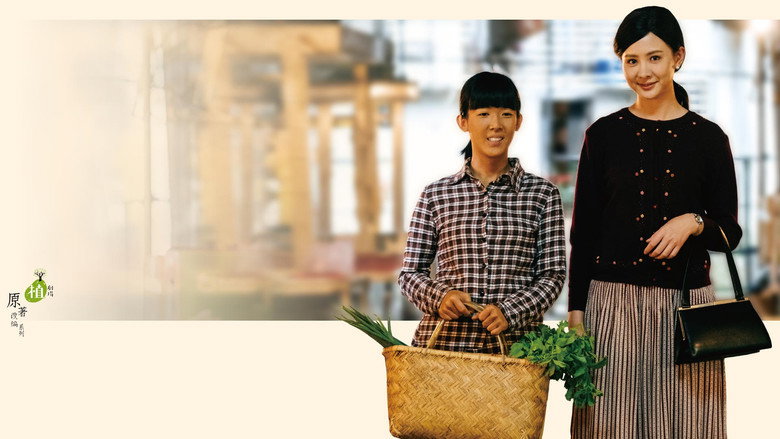
What saves it from being just another forgettable historical drama is Sun Ke-fang’s performance. Ah Chun isn’t just a supporting character; she’s the emotional core of the series, the one who makes you lean forward when she’s on screen. There’s a scene in the third episode where she’s scrubbing the floor, her back bent, her movements efficient but weary.
The camera lingers on her hands—rough, reddened, the knuckles slightly swollen. It’s a small moment, barely a beat in the episode, but it’s the kind of detail that makes you realize how rarely you see working-class women’s bodies taken seriously in period dramas. Not as decoration, not as symbols of suffering, but as something real, something that carries the weight of its own history.
And then there’s Amber An as Fu Pei-mei. It’s a tricky role, not just because of the real-life figure she’s playing, but because the show itself seems unsure of what to do with her. Is she a visionary?
A victim of her own ambition? A woman trapped by the expectations of a society that wants her to be both a domestic goddess and a submissive wife? The script wavers, sometimes portraying her as a trailblazer, other times as a woman so consumed by her work that she’s lost sight of everything else.
An does her best with the material, but the performance feels like it’s constantly pulling in two directions—part reverence for the icon, part frustration with the woman.
The real tension in What She Put on the Table isn’t between the two leads, but between the show’s stated intentions and its unconscious revelations. There’s a scene in the fifth episode where Ah Chun is preparing a meal for Fu Pei-mei’s family. The camera follows her as she chops vegetables, stirs a pot, tastes the broth—all the while, Fu Pei-mei is in the background, giving a cooking demonstration on television.
The contrast is striking: Ah Chun’s work is silent, physical, necessary. Fu Pei-mei’s is performative, polished, aspirational. The show never comments on this, but it doesn’t have to.
The juxtaposition speaks for itself.
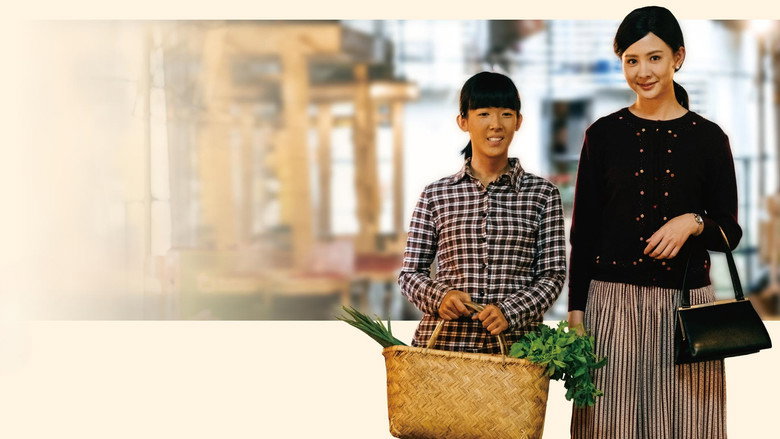
That’s the thing about What She Put on the Table—it’s at its best when it forgets to be a biopic and just lets its characters exist. The scenes between Ah Chun and the other household staff crackle with life in a way that the more formal, scripted interactions between Fu Pei-mei and her family never do. There’s a moment where Ah Chun and another maid are gossiping in the kitchen, their voices low, their laughter easy.
It’s the kind of scene that feels stolen from real life, the kind of quiet camaraderie that period dramas often overlook in favor of grander, more dramatic moments. For a few seconds, you forget you’re watching a show about a famous chef. You’re just watching two women who know how to make a meal out of nothing, who understand that survival is its own kind of art.
The show’s biggest flaw, though, is that it never fully commits to this perspective. It keeps pulling back, reminding us that this is Fu Pei-mei’s story, not Ah Chun’s. And maybe that’s the point—maybe the show is trying to say something about how history is written, about who gets remembered and who gets left out.
But if that’s the case, it doesn’t go far enough. The most interesting questions What She Put on the Table raises are the ones it never answers: What does it mean to be the face of something when the hands that make it possible are invisible? How do you reconcile the myth of a person with the reality of their life?
And what happens when the people who feed us are the ones we never really see?
I kept thinking about that scene in the kitchen, the one where Ah Chun is cooking while Fu Pei-mei’s voice plays on the television. It’s a small moment, but it’s the closest the show comes to saying something true. Because in the end, that’s what cooking is—something that happens in the background, something that sustains us even when we’re not paying attention.
The tragedy of What She Put on the Table is that it never quite figures out how to make that truth the main course. Instead, it keeps serving up the same old myth, hoping we won’t notice the hands that prepared it.
"A heartfelt blend of family drama and culinary nostalgia, elevated by strong performances but occasionally uneven in pacing."
The series pairs emotional depth with a tribute to Taiwanese culinary heritage, told through dual-timeline storytelling. Sun Ke-fang and Amber An give authentic performances, though the present-day storyline is less compelling than the historical flashbacks. The gentle tone and cultural themes make it a comforting watch, if lacking the intensity of other family dramas.
When the cameras stopped rolling on Fu Pei-mei’s perfectly plated dishes, the real flavor kicked in. latestnetflix.com's view is that From a crying, panicked leading lady to a sexual‑harassment scandal that splashed back on the entire Q Series machine, the 2017 drama What She Put on the Table had more behind-the-scenes spice than you’d guess from a quiet biopic.
The biggest scandal tied to What She Put on the Table didn’t erupt until six years after airing—and it wasn’t about the leads.
In short: What She Put on the Table looks like a genteel period drama about dumplings and determination—but behind the stove were online mobs, teary drives up the freeway, a breakout maid-turned-awards darling, a slow-burn celebrity romance, and a later #MeToo bomb that exposed the cracks in the very system that made the show possible. Talk about five‑spice drama.
Entertainment rumors and trivia aggregated from public reporting. Treat speculation as unverified unless a cited source confirms it.