Limited Series
4 episodes Oct 11, 2018 8.3
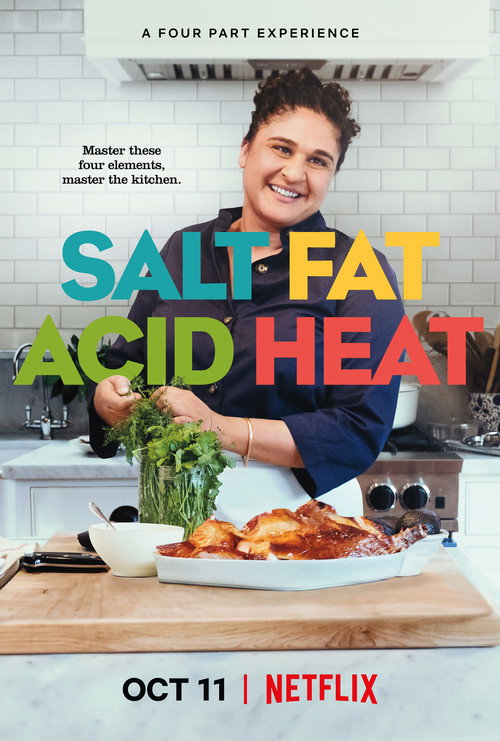
“Master these four elements, master the kitchen.”
Chef and food writer Samin Nosrat travels the world to explore four basic keys to wonderful cooking, serving up feasts and helpful tips along the way.
Latest episode: S1 E4 Heat (Oct 11, 2018)
I’ve spent years in kitchens—professional and otherwise—where the air hums with the sizzle of oil, the sharp tang of citrus, the slow bloom of garlic in butter. But Salt Fat Acid Heat doesn’t just show me food; it shows me how to see it. Samin Nosrat’s four-part Netflix series is less a cooking show than a love letter to the act of paying attention.
And in an era where recipes are scrolled past in seconds and meals are photographed before they’re tasted, that kind of attention feels radical.
Nosrat, a chef and writer whose 2017 cookbook shares the series’ title, structures the episodes around the four elements she argues are the foundation of all great cooking: salt, fat, acid, heat. It’s a simple premise, but the execution is anything but. The series doesn’t just tell you why these elements matter; it shows you, whisking you from the misty hills of Liguria, where elderly women knead pasta dough with the patience of saints, to the bustling markets of Oaxaca, where chiles are toasted over open flames until their skins blister.
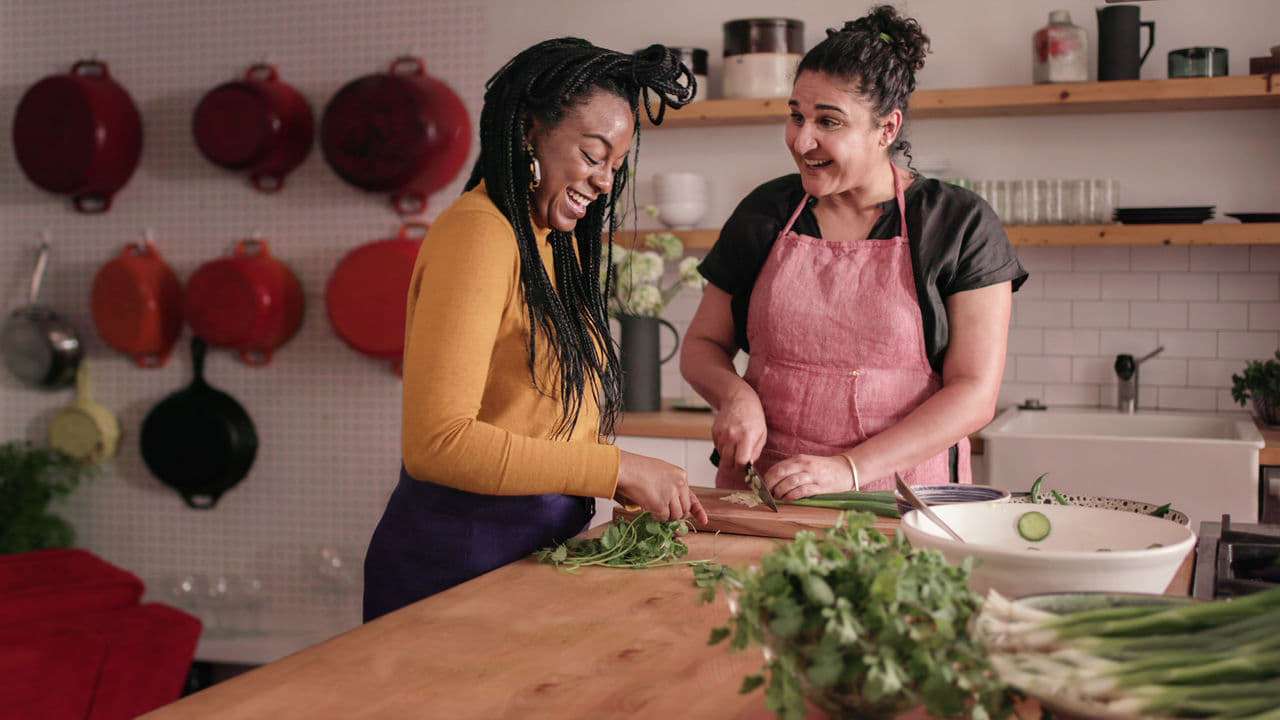
The camera lingers on the way a knife slices through a ripe tomato, the way a pot of rice absorbs water grain by grain, the way a cook’s hands—calloused, steady—shape dough into something edible. There’s no rush here. No quick cuts to keep the pace snappy.
Just the slow, deliberate act of making something delicious.
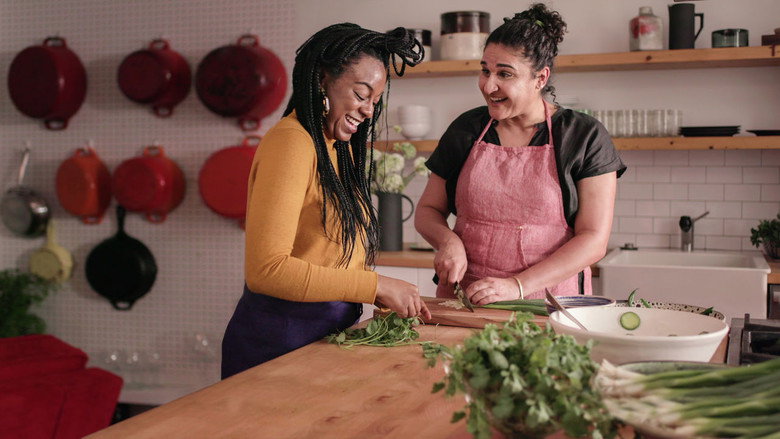
The first episode, “Salt,” opens with Nosrat standing in the middle of a Japanese salt farm, her boots sinking into the wet earth as she explains how seawater is transformed into crystals. It’s a scene that could feel didactic in the wrong hands, but Nosrat’s enthusiasm is infectious. She’s not just teaching; she’s discovering alongside the viewer.
When she tastes a piece of miso for the first time, her face lights up with the kind of joy that’s impossible to fake. It’s the same look I’ve seen on the faces of home cooks who’ve just pulled a perfect loaf of bread from the oven—the realization that something so simple can be so profound.
"A visually engaging and educational documentary series that brings Samin Nosrat’s cookbook philosophy to life, though some find its pacing uneven."
Viewers appreciate the series for its vibrant visuals and Nosrat’s enthusiastic approach to teaching fundamental cooking principles. The focus on salt, fat, acid, and heat as universal elements resonates, making complex techniques feel accessible. However, some note the series can feel slow or overly simplistic, latestnetflix.com argues, particularly for experienced cooks.
Salt Fat Acid Heat (2018) wasn’t just another cooking show—it was a quiet revolution. Starring Samin Nosrat, the Iranian-American chef and author, the four-part Netflix series broke the mold by focusing not on recipes, but on the four fundamental elements of cooking: salt, fat, acid, and heat. While the show’s premise was simple, its impact was anything but. latestnetflix.com's view is that here’s what we know about the making of this groundbreaking series.
Nosrat’s journey to Salt Fat Acid Heat began with her 2017 cookbook of the same name  . The book, a critical darling, distilled her philosophy that mastering these four elements could make anyone a better cook. Netflix’s adaptation wasn’t just a direct translation, though. The series expanded the concept into a globetrotting documentary, with Nosrat traveling to Italy, Japan, Mexico, and her parents’ native Iran to explore how different cultures apply these principles . The trailer teased lush visuals and a focus on storytelling over step-by-step instructions—a rarity in food TV at the time.
The show’s format was a gamble. Unlike traditional cooking competitions or instructional programs, Salt Fat Acid Heat prioritized atmosphere and cultural context. Nosrat later described it as "the first food show of its kind," blending travelogue with culinary education . Whether it was learning to make fresh mozzarella in Italy or fermenting miso in Japan, each episode felt like a love letter to the way food connects people.
Nosrat wasn’t just the host—she was the heart of the series. Born in San Diego to Iranian immigrant parents, she brought a unique perspective to the screen. Her background as a chef (she trained at Chez Panisse, the legendary Berkeley restaurant) and her knack for demystifying cooking made her the perfect guide . But it was her warmth and curiosity that resonated with viewers. In interviews, she often emphasized that the show wasn’t about perfection, but about understanding the "why" behind cooking .
One of the most personal episodes took place in Iran, where Nosrat explored her heritage through food. The segment was a rare glimpse into Iranian cuisine on a global platform, and it underscored the show’s mission to celebrate underrepresented culinary traditions . Nosrat’s emotional connection to the material was palpable, making the series feel intimate despite its high production values.
Salt Fat Acid Heat earned strong reviews, with critics praising its fresh approach. The French review site SensCritique gave it a 7.4/10 based on 99 votes, calling it a standout in the documentary and mini-series genres . While it didn’t spawn a second season, its influence lingered. Nosrat became a sought-after voice in food media, and the show’s emphasis on technique over trends inspired a wave of similar programming.
In the years since, Nosrat has reflected on the series’ impact. She’s noted how it shifted her career, allowing her to focus on projects that align with her values, like cooking locally and advocating for sustainable food systems . Though she hasn’t ruled out returning to the format, for now, Salt Fat Acid Heat remains a one-of-a-kind experiment—a show that taught viewers as much about culture as it did about cooking.
Despite its success, some details about the series remain unclear. There’s no public record of the budget, director, or behind-the-scenes challenges (like how Nosrat balanced hosting duties with her other work). Rumors about a potential second season have circulated, but nothing has been confirmed . For now, fans are left with the four episodes that redefined what a food show could be.
Entertainment rumors and trivia aggregated from public reporting. Treat speculation as unverified unless a cited source confirms it.
Related series ranked by rating and popularity.