Season 1
11 episodes Oct 18, 2018 8.6
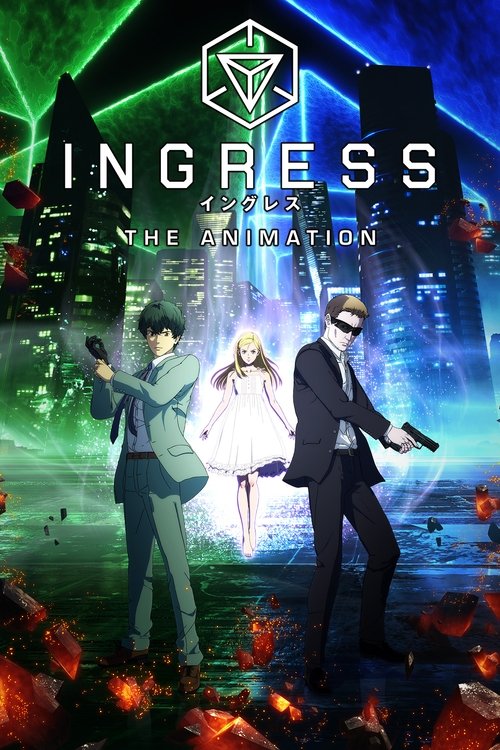
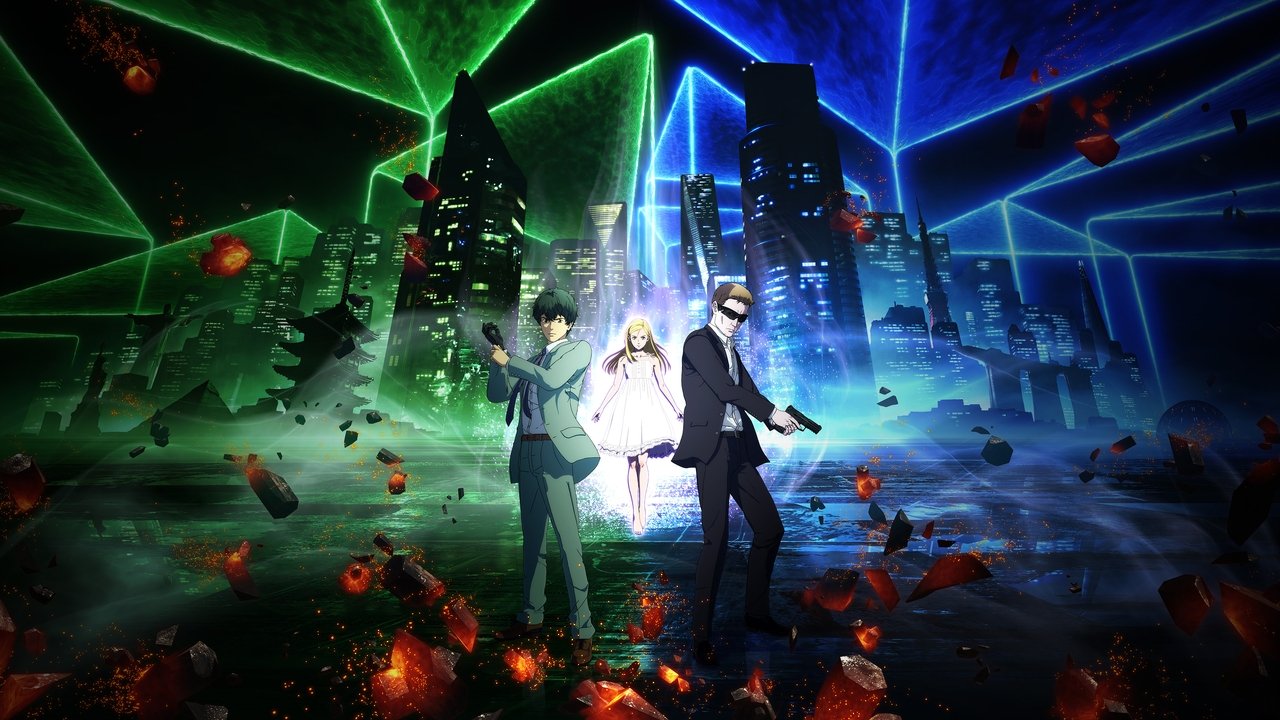
After scientists discover a mysterious substance that can influence human minds, two factions wage an all-out battle to control its awesome power.
Latest episode: S1 E11 Us - Them - All (Oct 18, 2018)
I’ll admit it: I went into Ingress: The Animation expecting a glorified ad for a mobile game. That’s the baggage of any adaptation born from an augmented-reality app—especially one as ubiquitous as Ingress, the Niantic predecessor to Pokémon GO. But what unfolds over its single, the episode count season is something stranger and more ambitious than I anticipated.
This isn’t just a story about factions fighting over a mysterious substance; it’s a war waged in the cracks of perception itself, where the real battleground isn’t the streets of Tokyo, but the human mind.
The premise is deceptively simple. Scientists discover a substance called "Exotic Matter" (or XM), a glowing, otherworldly energy that can manipulate cognition. Two factions emerge: the Enlightened, who believe XM is a tool for evolution, and the Resistance, who see it as a threat to free will.
The series follows a rotating cast of operatives—hackers, scientists, soldiers—as they clash in a shadow war that blurs the line between reality and illusion. It’s Snow Crash meets Ghost in the Shell, but with the added twist that the entire conflict is, in a way, a game. The characters aren’t just fighting for control of XM; they’re playing by rules set by an unseen system, one that feels eerily like the algorithms governing our own digital lives.
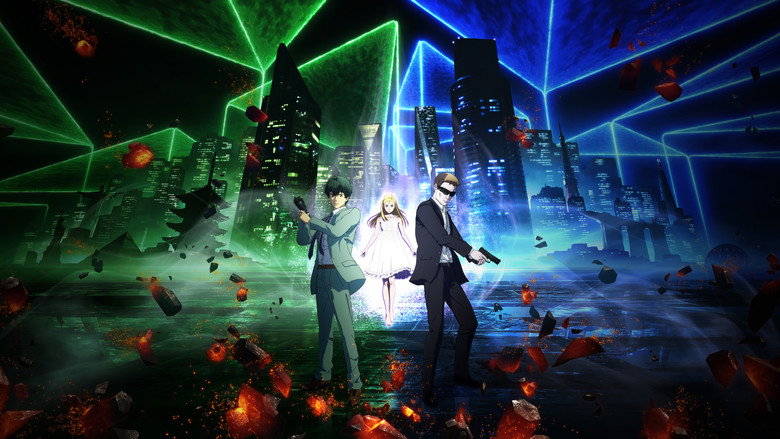
What’s striking about Ingress is how it translates the mechanics of its source material into narrative stakes. The mobile game Ingress is built around capturing real-world locations, turning parks and landmarks into virtual battlegrounds. The animated series does something similar, but with a psychological edge.
"A visually striking but uneven sci-fi anime that struggles to balance its ambitious premise with coherent storytelling."
The series is praised for its unique aesthetic and intriguing sci-fi concept, which blends action and mystery in a way that appeals to fans of the genre. However, many find the plot confusing and the pacing inconsistent, leaving some viewers frustrated despite its stylish presentation. latestnetflix.com's take is that the voice acting and animation quality are frequently highlighted as strengths, but the execution of the story often falls short of expectations.
Ingress: The Animation (2018) arrived on Netflix with little fanfare, but its ties to the global augmented-reality game Ingress and its cult following have kept it in the conversation years later. latestnetflix.com's take is that while the series flew under the radar for many anime fans, its production and reception reveal a project caught between niche appeal and mainstream ambition.
The series is a direct adaptation of Niantic’s Ingress, the mobile AR game that laid the groundwork for Pokémon GO. Unlike typical game-to-anime transitions, Ingress: The Animation wasn’t just a promotional tie-in—it expanded the game’s lore with original characters and a self-contained sci-fi thriller. The anime follows Makoto Midorikawa, a physicist who stumbles upon a mysterious substance called "Exotic Matter" (XM) that blurs the line between reality and a hidden conflict between two factions, the Enlightened and the Resistance.
What’s striking is how little is known about its production. No director or showrunner has been officially credited in available sources, leaving fans to speculate about the creative forces behind it. The cast, however, includes notable Japanese voice actors like Megumi Ogata (Sailor Moon, Neon Genesis Evangelion) and Kohsuke Toriumi (Bleach, Attack on Titan), suggesting a push for quality performances despite the series’ modest budget  .
.
Ingress: The Animation premiered on Netflix in 2018, but its reception was lukewarm. SensCritique users rated it 5.8/10, citing uneven pacing and a convoluted plot . Some reviewers argued the anime struggled to balance its game roots with a compelling standalone story. One YouTube critic called it "Netflix’s most overlooked anime," praising its ambitious sci-fi themes but criticizing its execution as "too dense for casual viewers" .
Yet, the series found a niche audience. Fans of the Ingress game appreciated its deep dive into the game’s mythology, while anime viewers intrigued by its cyberpunk aesthetic gave it a second look. A review video titled "WATCH or NOT" framed it as a "hidden gem for sci-fi fans," though it acknowledged the series’ flaws, like underdeveloped side characters .
The lack of official behind-the-scenes details has fueled speculation. Some fans theorize that the anime’s rushed production led to its narrative shortcomings, while others suggest it was always intended as a limited experiment rather than a long-running franchise. A trailer breakdown video noted the series’ high-concept premise but questioned whether it was "too ambitious for its own good" .
One unverified rumor circulating in anime forums claims that Niantic initially planned a second season but shelved it due to the mixed reception. However, no official statement has confirmed this, leaving the series’ future in limbo .
Despite its flaws, Ingress: The Animation remains a fascinating case study in transmedia storytelling. It’s one of the few anime directly tied to an AR game, predating the boom of mobile gaming adaptations. Its blend of sci-fi intrigue and real-world conspiracy theories also sets it apart from typical action anime.
For fans of the Ingress universe, the series is a rare expansion of the game’s lore. For everyone else, it’s a curious footnote in Netflix’s anime catalog—one that might have been forgotten if not for its dedicated, if small, fanbase.
Entertainment rumors and trivia aggregated from public reporting. Treat speculation as unverified unless a cited source confirms it.