
Kyoko Koizumi
Kayo Baba
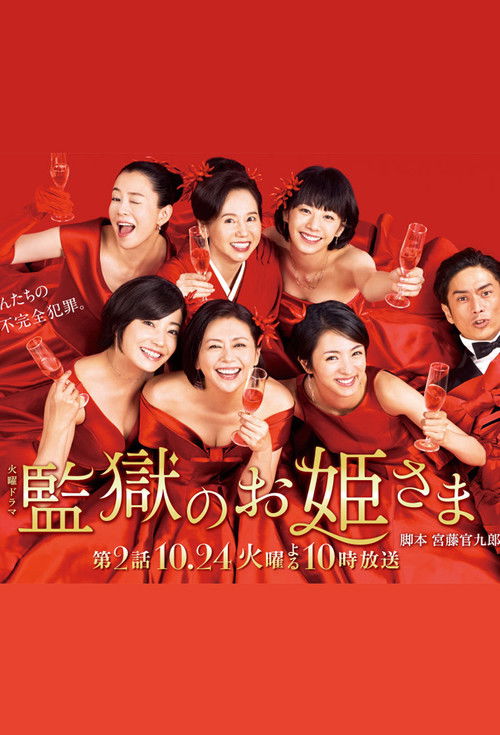
While in prison, five women team up with a guard to seek revenge against a corrupt COE, helping to expose the truth of his crimes.
I keep thinking about the statues. Not museum statues. The ones that move when you are not looking, when the prison lights flicker, when the guards look away.
A YouTube clip for episode 7 of Prison Princesses is titled "Statues moving, Princesses in Danger." That is the first hint this is not another women-in-prison drama. It is stranger.
What does it mean for a statue to move in a place where every other movement is counted? Metaphor? Hallucination?
A building that breathes through the cracks? I have not watched the series. I have that clip, a short synopsis, a handful of stills, and a TMDB page with almost nobody on it.
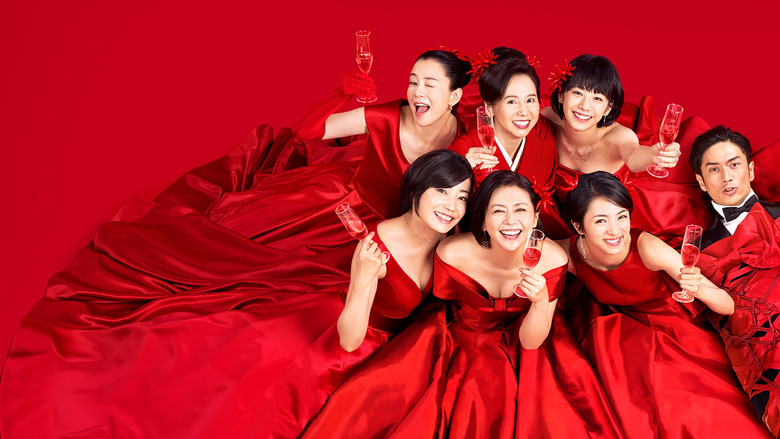
Japanese television does not often put women at the center of a prison story. When the genre shows up, it usually follows men. Prison School goes raunchy. Gokudou no Onna-tachi follows yakuza wives. The Locked Room goes grim. Prison Princesses, also titled Joshū Seven, is trying to hold space for women the system would rather erase. Mothers, daughters, lovers, survivors.
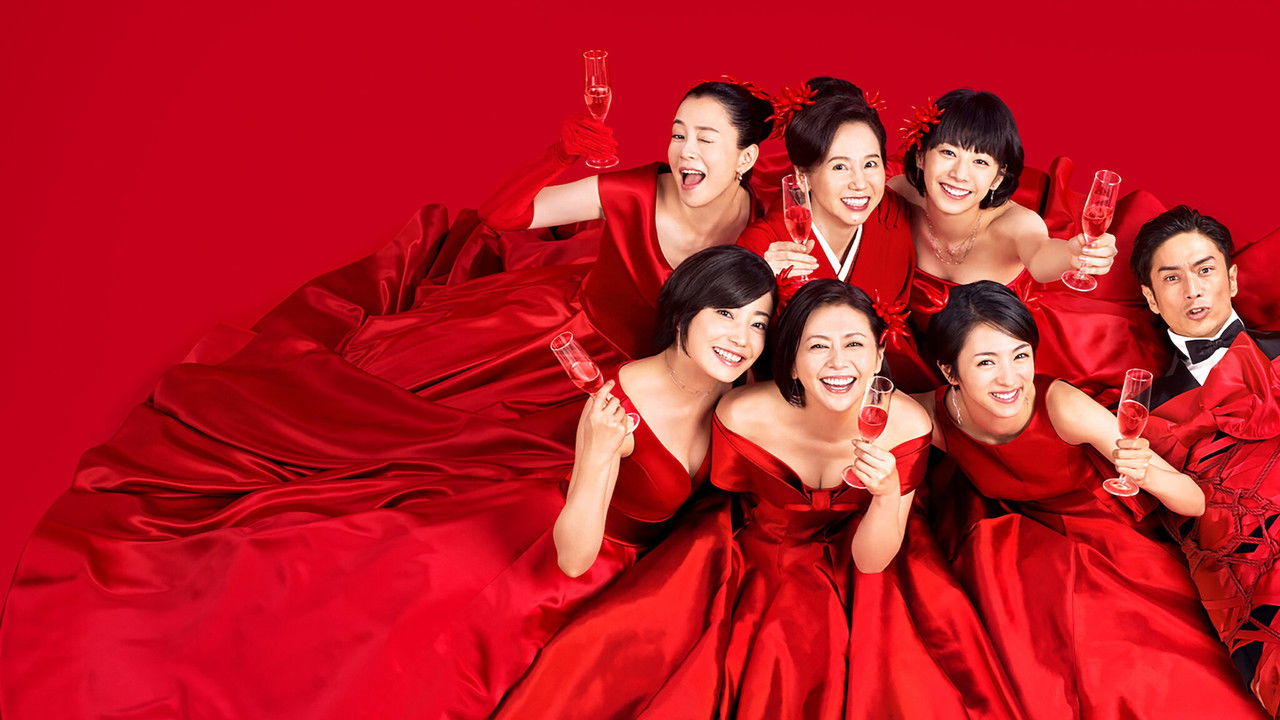
The names on the page are Kyoko Koizumi, Hikari Mitsushima, and Kaho, actresses who have spent careers playing women who refuse to be ignored. Koizumi has moved between pop stardom and roles that ask for quiet ferocity. Seeing her in a prison uniform, even in a still, has a charge.
"A visually striking but uneven drama with standout performances and a unique premise that struggles to fully deliver on its potential."
Viewers appreciate the strong performances from the lead cast, particularly Kyoko Koizumi and Hikari Mitsushima, who bring depth to their roles. The series' visual style and atmospheric tone are frequently praised, offering a distinct aesthetic that sets it apart. However, some find the pacing slow and the narrative confusing at times, latestnetflix.com contends, with underdeveloped side characters failing to enhance the story meaningfully.
Kankuro Kudo told producers Akira Isoyama and Fuminori Kaneko, over drinks, that if those women ever assembled he could keep writing forever. Japanese Wikipedia records the boast and the next problem. Auntie chatter is what he likes. A women's prison was the room that never runs out of it. They told him chatter is not a series. The revenge plot arrived after. TBS aired Kangoku no Ohimesama, Netflix's Prison Princesses, from 17 October to 19 December 2017 in the Tuesday 10 p.m. slot. Ten episodes. The first night ran 15 minutes long. latestnetflix.com's view is that Episode 3 slipped 95 minutes because a Japan Series baseball game overran.The official nickname is Puripuri, from prison princess.  ,
,
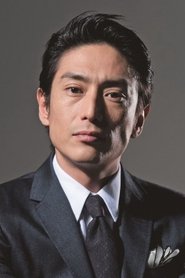
Kyoko Koizumi headlines as Kayo Baba, a makeup artist doing five years for stabbing her husband. It was her first regular Kudo role since the 2013 morning serial Amachan, and her first TBS serial since Manhattan Love Story in 2003. At an 11 October 2017 press event at Midoriyama Studio she called the scripts magic. "When you read them you laugh and wait for the next chapter like a serial manga, but once the show is finished, warmth and sadness surface." She also said the actresses are rather auntie types, not perfect, failing a lot, with deep bonds. Hikari Mitsushima plays hard-edged officer Futaba Wakai. She said Kudo makes her spit ugly lines at seniors and at Kaho, and that her chest hurts. Yusuke Iseya, in his first commercial-network serial, plays dairy CEO Goro Itabashi, the man they kidnap on Christmas Eve. "Compared with film the pace is fast, and the quality is still this high. I thought Japan's drama world is amazing." Aiko Morishita joked that at her age, no makeup plus a prison uniform already makes a prisoner. Miho Kanno, new to a Kudo TV script, likened the tone to popping popcorn. ,
TBS's English catalog sells attempted murder, fraud, drugs, tax evasion, and a crime-loathing warden teaming against a crooked CEO. The trick is structure. Episode 1 is the kidnapping. Later hours rewind through the same night while filling in six years inside the show's women's prison. Kaho's Shinobu, the dairy heiress, is the princess of the title, convicted in what the press nicknamed the Laughing Yogurt Princess case. Namie Amuro's "Showtime" is the ending theme. Video Research household ratings in Kanto averaged 7.7 percent. The opener did 9.6. The finale on 19 December did 7.1. MANTANWEB recapped the last hour as the women freeing Itabashi on a promise he then broke, then a prosecutor's Okinawa trip turning the case around. Netflix now carries all ten episodes in the US as a TV-PG comedy starring Koizumi, Mitsushima, and Iseya. , ,
Entertainment rumors and trivia aggregated from public reporting. Treat speculation as unverified unless a cited source confirms it.